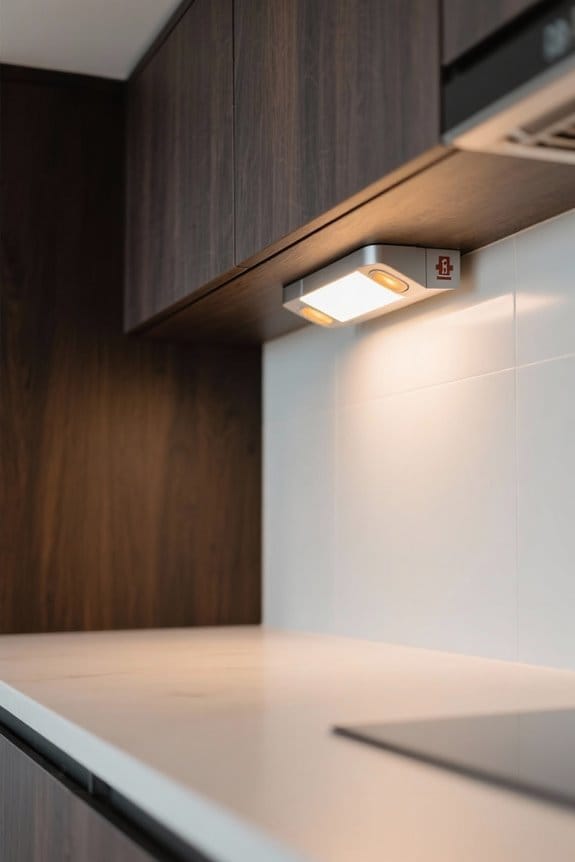
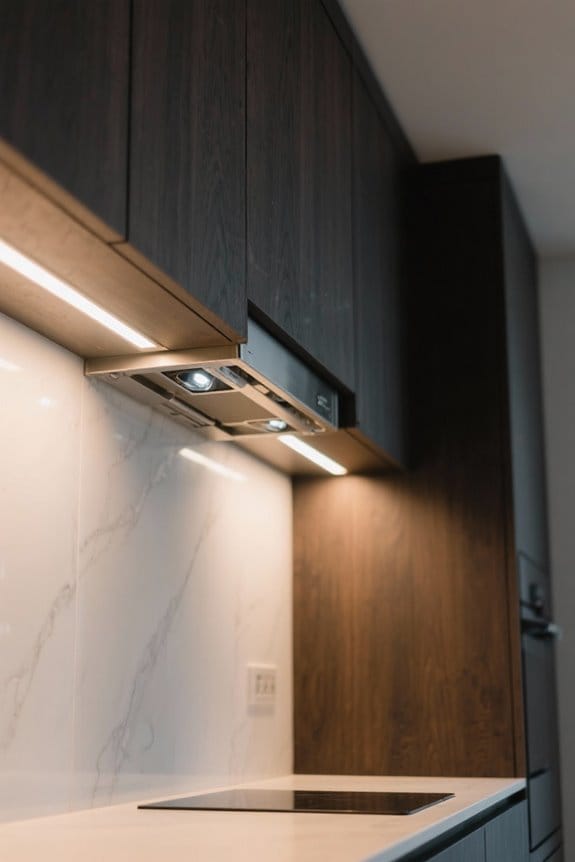

Dark-sky friendly planning relies heavily on shielded optics and precise aiming techniques to reduce light pollution effectively. Shielded fixtures limit upward light emissions, while specific aiming patterns enhance visibility and safety in outdoor areas. Utilizing warm-colored LEDs, specifically below 3000K, fosters a comfortable environment that minimizes disturbance to wildlife and human circadian rhythms. Proper design choices, including regular assessments for compliance with local ordinances, are essential. Explore how adopting these principles can create a more sustainable outdoor lighting strategy.
Key Takeaways
- Shielded optics and full cutoff fixtures direct light downwards, minimizing glare and reducing upward light pollution for dark-sky compliance.
- Proper aiming techniques enhance effective light distribution, improving visibility while reducing distractions for pedestrians and drivers.
- Utilizing warm-colored light sources (3000K or lower) creates an inviting nighttime environment and preserves natural darkness essential for wildlife and human health.
- Regular monitoring of outdoor lighting ensures compliance with local ordinances and supports ongoing efforts to mitigate light pollution.
- Collaboration with stakeholders advances dark-sky friendly technologies, promoting responsible outdoor lighting solutions that benefit both communities and the environment.
The Importance of Shielded Optics in Outdoor Lighting
Although outdoor lighting is essential for safety and visibility, the importance of shielded optics cannot be overstated. Shielded optics direct light downwards, effectively minimizing glare and light trespass, which can adversely affect nearby properties and natural wildlife. Utilizing full cutoff fixtures, designers can greatly reduce light pollution, aligning with dark sky friendly initiatives. This approach not only enhances visual comfort for both pedestrians and drivers but also supports healthier ecosystems by preserving the natural night sky. In adherence to Responsible Outdoor Lighting principles, incorporating shielded optics promotes the preservation of circadian rhythms, minimizing exposure to disruptive blue light. Rechargeable motion sensor lights eliminate the need for frequent battery replacements, with USB charging options for convenience. Ultimately, employing these fixtures stands out as a critical practice for sustainable and considerate outdoor lighting design, addressing contemporary environmental concerns directly.
Recommended Products

【Top A+ Grade LiFePO4 Cells & Superior Safety】Upgrade your ride with our 36V 105Ah Golf Cart Battery, built with 12 high-grade LiFePO4 cells. Experience unparalleled stability and peace of mind with an advanced 200A BMS that provides complete protection against overcharge, over-discharge, overheating, and short circuits. Unlike traditional options, our battery is completely leak-proof and explosion-proof, ensuring your safety on every course.

Cross tour LED offers seamless architectural style with super bright energy efficient leds

Stainless Steel Face Ring With Uni-Tension Clamp
Understanding Light Pollution and Its Effects

What are the far-reaching impacts of light pollution on both human health and the environment? Light pollution, primarily due to excessive outdoor lighting, affects over 80% of the global population and disrupts the dark sky. This environmental pollution can disturb circadian rhythms in humans and wildlife, resulting in sleep disturbances and behavioral changes in sensitive species. Harsh lighting, especially blue-rich LED technology, alters the natural behaviors of nocturnal animals, affecting feeding and mating patterns. With light pollution rates surging at 9.6% annually, immediate action is necessary to minimize glare and protect natural ecosystems. Acknowledging these impacts is essential, as reducing light pollution not only enhances stargazing opportunities but also mitigates energy waste and the associated economic costs. Opting for energy-efficient designs with extended lifespans can substantially reduce outdoor lighting contributions to light pollution.
Key Principles for Responsible Outdoor Lighting

Responsible outdoor lighting is crucial for creating environments that prioritize safety, aesthetics, and ecological balance. Aiming for dark-sky friendly solutions, communities should prioritize full cutoff fixtures, which limit light emissions above the horizontal plane. This approach considerably reduces light pollution and glare, contributing to healthier ecosystems. Utilizing warm-colored light sources with a color temperature of 3000K or lower enhances nighttime visibility while protecting local wildlife. Additionally, implementing automatic timers and motion sensors can effectively manage lighting periods, conserving energy and promoting compliance with dark-sky principles. Many modern motion sensor lights offer advanced motion detection and adjustable settings, which can enhance energy efficiency and user convenience. Careful lighting design guarantees illumination is directed precisely where needed, preventing light trespass and preserving surrounding natural darkness. Education about these practices is crucial for fostering community adoption of responsible outdoor lighting strategies.
Aiming Techniques for Effective Light Distribution
When aiming outdoor lighting fixtures for effective light distribution, it is essential that they direct light beams downward, minimizing glare and preventing spillover into surrounding areas. Proper fixture aiming should consider mounting height and angles, allowing light sources to illuminate only intended surfaces, thereby enhancing visibility without contributing to light pollution. Adopting light distribution patterns such as Type III or Type V effectively tailors illumination for specific applications while avoiding upward light emission. Additionally, using fully shielded fixtures and implementing cutoff and glare shields can greatly reduce unintended light exposure, improving pedestrian comfort in outdoor spaces. Smart lighting solutions, such as those found in Govee Smart Light Bulbs, offer customizable presets and energy-efficient designs that can complement these strategies by providing long-lasting illumination with reduced environmental impact. Regular monitoring and adjustments are vital for optimizing energy efficiency and ensuring compliance with local lighting ordinances, ultimately reducing the impact of light pollution.
Recommended Products

Crosstour LED offers seamless architectural style with super bright energy efficient leds
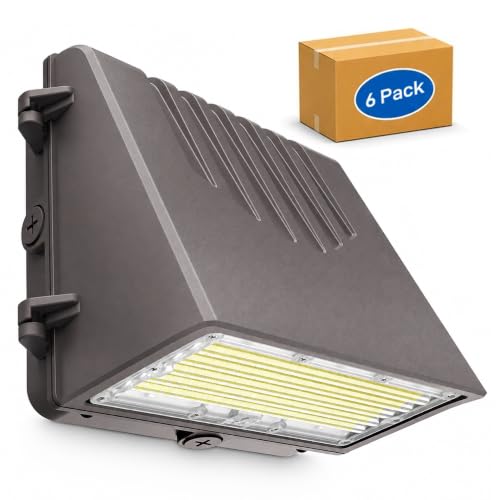
Selectable Wattage and CCT: This LED wall pack light offers 60W, 90W, 100W, or 120W output plus 3000K, 4000K, or 5000K color temperature, allowing one fixture to support varied exterior lighting needs. Includes a 5-year manufacturer's warranty.

Crosstour LED offers seamless architectural style with super bright energy efficient leds
Benefits of Warm-Colored Lighting
Effective outdoor lighting goes beyond proper aiming; it also involves the color temperature of the light used. Warm-colored lighting, typically at 2200K or lower, is crucial for creating a comfortable nighttime environment that benefits both humans and wildlife. This type of lighting minimizes glare and harshness, enhancing visual appeal while promoting better sleep quality by reducing disruptions to human circadian rhythms. Additionally, warm-toned lights can greatly reduce light pollution by decreasing the visibility of artificial light in the sky, contributing to darker skies and improved star visibility. By minimizing interference with nocturnal wildlife, warm-colored lighting supports healthier ecosystems, making it an essential choice for communities aiming to balance aesthetic needs with environmental considerations. The use of weather-resistant materials in outdoor fixtures ensures durability, allowing for effective lighting that withstands various environmental conditions.
Selecting the Right Fixtures for Dark-Sky Compliance
Selecting the right fixtures for dark-sky compliance is crucial for anyone aiming to enhance outdoor lighting while minimizing light pollution. Opt for light fixtures with full cutoff designs, ensuring no light is emitted above the horizontal plane. Shielded fixtures with directed optics considerably reduce glare and light trespass onto neighboring properties, enhancing comfort and safety. Choosing warm-toned white light sources, ideally at 3000K or lower, helps protect human health while preserving the natural night sky appearance. The DarkSky Approved program offers valuable guidance and certification for compliant fixtures. Additionally, consider mounting height and angling; directing light downwards is essential to maintain effective illumination while adhering to dark-sky compliance standards, promoting responsible lighting practices for all communities. When considering indoor lighting, dimmable features of fixtures can enhance versatility in lighting atmosphere, providing comfort and energy savings.
Recommended Products
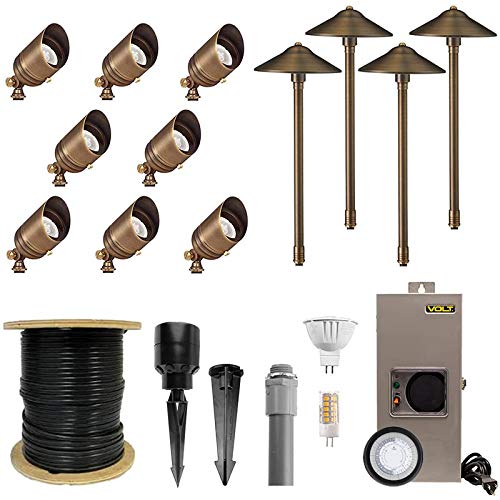
COMPLETE LANDSCAPE LIGHTING KIT - Includes eight (8) solid brass spotlights, four (4) solid brass path lights, twelve (12) easy-install 10-inch Hammer Stakes, one (1) 150W low voltage transformer, one (1) mechanical timer, eight (8) 5W 2700K LED MR16 bulbs, four (4) 3W 2700K LED G4 bulbs, two (2) Pro Junction Hubs, one (1) conduit, one (1) 9-inch PVC ground stake and 250 feet of direct burial cable. Everything needed for a professional outdoor lighting system, bundled for additional savings!
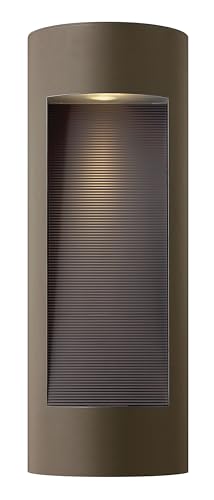
Contemporary Modern Fixture: Low profile fixture provides ambient, accent lighting

Contemporary Modern Fixture: Low profile fixture provides ambient, accent lighting
The Role of Professional Lighting Design
As the demand for responsible outdoor lighting surges, professional lighting design emerges as a key component in achieving dark-sky compliance while enhancing safety and visibility. This discipline employs shielded optics to minimize glare and direct light precisely where needed, greatly reducing stray light. By engaging lighting professionals, projects benefit from site-specific modeling that addresses potential issues, ensuring adherence to dark-sky guidelines. Proper fixture selection and placement are fundamental in maximizing the effectiveness of glare shields and cutoff angles, which protect wildlife and human circadian rhythms. Advanced technologies, such as full cutoff fixtures, contribute to large-scale reductions in upward light pollution, promoting sustainable practices. Solar-powered solutions provide energy-efficient illumination, reducing utility costs and aligning with dark-sky goals. Ultimately, thoughtful lighting layouts preserve ecological balance while meeting necessary illumination requirements, nurturing both community and environment.
Recommended Products
Cross tour LED offers seamless architectural style with super bright energy efficient leds

Full Cut Off Design & Commercial-Grade Durability✅Engineered for 24/7 non-stop operation, our LED wall pack features a downward-focused, glare-free design that completely eliminates light pollution—perfect for compliance with local lighting regulations and a more comfortable outdoor environment. Crafted with die-cast armor, it withstands extreme temperatures from -40°F to 140°F, 50J impact resistance, and 6KV surge protection, making it ideal for storm-prone areas. Validated through 10,000+ durability cycles, this fixture is built to last in the harshest commercial and industrial settings.
Full Cut Off Design & Commercial Grade 💡 Engineered for 24/7 operations with downward-focused, glare-less illumination that eliminates light pollution . Die-cast armor survives -40°F to 140°F extremes, 50J impacts, and 6KV surge protection for storm-prone areas - validated through 10,000+ cycles.
Community Involvement in Light Pollution Awareness
How can communities effectively combat light pollution and foster a connection to their nighttime environment? Community involvement is essential for raising awareness about light pollution, which affects over 80% of the global population. Local organizations and advocacy groups can initiate educational programs that focus on the adverse effects of excessive outdoor lighting, promoting responsible lighting practices among residents. Engaging experts for public presentations and workshops can clarify the Five Principles for Responsible Outdoor Lighting established by DarkSky International and the IES. Additionally, community participation in local lighting ordinances and dark-sky friendly regulations empowers residents to minimize light pollution. Collaborative initiatives, such as tree planting and creating dark-sky reserves, unite community members, enhancing local biodiversity and nighttime aesthetics, while addressing light pollution effectively. Communities can emphasize safety by installing outdoor lighting that provides bright illumination while minimizing light pollution.
Future Trends in Dark-Sky Friendly Lighting Solutions
Emerging technologies and innovative design principles are reshaping the landscape of dark-sky friendly lighting solutions, fostering a greater commitment to minimizing light pollution. The DarkSky Approved Luminaires program now emphasizes shielded optics, limiting uplight emissions to between 2 to 5%, promoting a more responsible use of outdoor lighting. A notable shift towards narrow band amber LED light fixtures also aims to mitigate harsh blue light, protecting both human health and wildlife. Additionally, the introduction of the Pedestrian Comfort category establishes essential criteria for safe public spaces, focusing on glare reduction and enhanced visibility. Collaboration between manufacturers, designers, and municipalities, alongside policies from the International Dark-Sky Association, will further drive the adoption of these must-have advancements in urban lighting design. Some outdoor barn light wall sconces combine rustic design with modern technology, making them an ideal choice for dark-sky compliance and aesthetic appeal.
Recommended Products

✅ NO REPLACEMENT BULBS REQUIRED - The LED array included inside the barn lights are rated to last 50,000 hours (20 years with average use) before needing to be replaced.

✅ NO REPLACEMENT BULBS REQUIRED - The LED array included inside the barn lights are rated to last 50,000 hours (20 years with average use) before needing to be replaced.

✅ NO REPLACEMENT BULBS REQUIRED - The LED array included inside the barn lights are rated to last 50,000 hours (20 years with average use) before needing to be replaced.
Frequently Asked Questions
What Are the Best Practices for Dark Sky?
Best practices for dark sky include implementing effective shielding techniques, utilizing environmentally friendly materials, adhering to outdoor lighting regulations, promoting community awareness initiatives, and focusing on strategies for light pollution reduction to protect nighttime environments.
What Does “Dark Sky Friendly” Mean?
“Dark Sky Friendly” signifies a paradoxical embrace of darkness, controlling light pollution through enlightened urban planning. It enhances nocturnal wildlife conservation efforts, fostering community awareness while ironically celebrating the beauty of a well-lit, yet dim nighttime landscape.
What Are the 5 Principles for Responsible Lighting?
The five principles for responsible outdoor lighting emphasize responsible illumination, minimizing light pollution, choosing full-cutoff fixtures, adopting warm-white lighting, and utilizing timers or motion sensors, all contributing to sustainable design and reducing ecological impact.
What Is the Dark Sky Approach?
Under the radar, the Dark Sky Approach combats light pollution effects by promoting responsible urban planning. This fosters community awareness, protects nocturnal wildlife, and enhances stargazing benefits, ensuring a healthier environment for all.