


Tunable white lighting offers a practical solution for energizing workdays and relaxing evenings. By adjusting color temperatures, users can create cool white environments (5000K-6500K) during work hours to boost productivity and focus. In contrast, warm white settings (≤3500K) foster relaxation in the evening, promoting better sleep quality. Incorporating dynamic lighting schedules that align with natural circadian rhythms can enhance mood and well-being. Understanding these principles can lead to smarter lighting design choices for various environments. More insights await.
Key Takeaways
- Energizing lighting (5000K-6500K) improves productivity by enhancing focus and reducing fatigue during work hours.
- Warm white lighting (≤3500K) supports evening routines, promoting relaxation and improving sleep quality.
- Dynamic lighting schedules can transition between energizing and relaxing tones based on daily activities and natural circadian rhythms.
- Implementing tunable white lighting in commercial spaces can lead to significant productivity gains and improved employee well-being.
- Customizable control options allow users to tailor lighting to their specific needs for energizing work sessions and calming relaxation periods.
Understanding Tunable White Lighting
Tunable white lighting represents a transformative advancement in modern illumination, allowing for real-time adjustments of color temperature that cater to specific settings and user preferences. Users can easily switch between warm light, typically below 3500K, and cool light, exceeding 5000K, to enhance various activities and moods. Warm light creates a comforting, relaxed atmosphere, ideal for unwinding, while cool light promotes alertness and focus, perfect for tasks requiring concentration. With adjustable settings, tunable white lighting aligns with natural circadian rhythms, ultimately boosting sleep quality and overall well-being. Various control options, like smart apps and dedicated wall switches, facilitate user customization, enabling individuals to effectively adapt their lighting environments to suit specific tasks or times of day. Additionally, incorporating energy-efficient bulbs can help reduce electricity consumption while maintaining optimal lighting quality.
The Importance of Color Temperature

Color temperature plays an essential role in shaping the atmosphere within any environment, influencing both mood and functionality. Tunable white lighting allows users to adjust the color temperature throughout the day, offering cool white light for energizing tasks or warm white for relaxation. Cool white light, ranging from 5000K to 6500K, enhances alertness and focuses productivity, particularly in the morning by mimicking natural daylight. In contrast, warm white light (≤3500K) fosters a calming ambiance, ideal for evening unwinding. Neutral white (3500K – 4500K) provides a balanced approach for general use, encouraging various activities without overwhelming stimulation. Understanding the principles of light and color temperature can transform a space, effectively aiding energy within work settings and relaxation in home environments. For optimal lighting solutions, consider versatile lighting options that allow for customized brightness and enhance the overall aesthetic appeal.
Energizing Lighting for Productive Workdays

Creating an environment conducive to productivity begins with the appropriate use of energizing lighting. Utilizing tunable white lighting featuring cool white tones between 5000K and 6500K can greatly enhance alertness, aligning with natural daylight patterns. Evidence suggests that workplaces incorporating energizing lighting experience an impressive 3.2% average productivity improvement. This type of lighting not only boosts concentration and creativity, making it ideal for tasks requiring heightened focus, but it also helps reduce eye strain and fatigue in bustling settings. By implementing tunable white lighting solutions, a dynamic work environment can be cultivated, capable of adjusting color temperature throughout the day to meet varying productivity needs. Ultimately, these adjustments optimize overall employee performance, benefiting both individuals and organizations alike. Energy-efficient downlights use up to 75% less energy than traditional bulbs, making them an ideal choice for creating energizing lighting environments while also conserving energy.
Recommended Products

OPTICAL: Light Source: 1x 200-Watt COB (Chip on Board), RGBAL (Red, Green, Blue, Amber & Lime), LED Engine LED Engine Life Rating: Approximately 50,000 hrs. CRI: >90 Tunable White Color Temperature: 2300~9900K 80-degree beam angle Includes lens kit to change to 40-degrees or 50-degrees beam angle
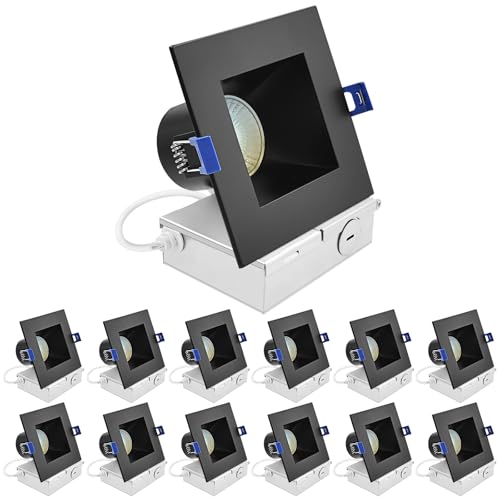
5 COLOR ADJUSTABLE – Featuring a tunable 5 CCT switch, this LED recessed light lets you easily select the perfect color temperature for your space. Choose from 2700K (Warm White), 3000K (Soft White), 3500K (Natural White), 4000K (Cool White), or 5000K (Bright White) during installation by simply toggling the switch. See the effect in real-time and adjust as needed. The switch also allows for easy color changes later, giving you flexibility to update your lighting anytime.

5 COLOR ADJUSTABLE – Featuring a tunable 5 CCT switch, this LED recessed light lets you easily select the perfect color temperature for your space. Choose from 2700K (Warm White), 3000K (Soft White), 3500K (Natural White), 4000K (Cool White), or 5000K (Bright White) during installation by simply toggling the switch. See the effect in real-time and adjust as needed. The switch also allows for easy color changes later, giving you flexibility to update your lighting anytime.
Relaxing Lighting for Evening Routines
As the day draws to a close, incorporating warm white lighting becomes essential for fostering a calming environment that encourages relaxation and unwinding. Adjusting to tunable white options, with temperatures around 2700K in bedrooms and living areas, can create a cozy atmosphere. This adjustment to warm white lighting not only promotes relaxing evening routines but also aids in melatonin production, enhancing sleep quality. Implementing dim-to-warm lighting systems enables users to gradually shift to softer tones, signaling the body to wind down. Studies reveal that warm lighting can lead to a 41% reduction in negative moods, cultivating a peaceful environment. By prioritizing warm white lighting in the evening, individuals enhance their overall well-being and sleep readiness. For those seeking to enhance their bathroom ambiance, exploring the 5 best plug-in bathroom sconces can provide options to complement relaxation-focused lighting setups.
How Tunable Lighting Supports Circadian Rhythms
With the growing recognition of how lighting impacts well-being, tunable lighting systems offer innovative solutions to support circadian rhythms effectively. These systems adjust color temperature throughout the day, mimicking natural light, which is vital for maintaining healthy sleep patterns. During morning hours, exposure to cool white light above 5000K helps energize individuals and enhances productivity, aligning with daytime alertness needs. Conversely, shifting to warm white light below 3500K in the evening encourages relaxation and prepares the body for sleep, improving overall sleep quality. By implementing tunable white lighting that synchronizes with natural light patterns, facilities can greatly reduce negative moods and support hormonal balance, such as regulating melatonin and cortisol levels, essential for managing stress and enhancing well-being. A new sentence with energy-efficient recessed lights and the rest of the sentence.
Applications of Tunable White Lighting in Commercial Spaces
Tunable white lighting systems are becoming essential components in commercial spaces, revolutionizing how environments are designed for productivity and well-being. By employing adjustable CCT, businesses can create energizing lighting during work hours, using cooler tones to enhance focus, while shifting to relaxing lighting with warmer tones during breaks. Research shows that tunable lighting in office environments can catalyze a productivity improvement of 3.2%, which is vital for operational success. Educational institutions benefit similarly, with dynamic lighting mimicking natural daylight patterns that boost student concentration. Retail settings use tunable white lighting to enhance product visibility throughout the day, while hospitality venues can adapt ambient lighting to accommodate diverse events and guest activities, showcasing the flexibility and functionality of this innovative technology. Smart bulbs like DAYBETTER and Govee offer millions of colors and scheduling features that align with these tunable lighting applications, providing additional customization and energy efficiency in various settings.
Recommended Products

【Ultra-Efficient LED Technology】130 lm/W high-efficiency LEDs paired with advanced drivers deliver 9360 lumens output.50,000+ hour lifespan achieves 56% energy savings vs fluorescent lighting. Slim 1.97-inch profile fits standard 2x4 grids.

3000K/3500K/4000K/5000K/6500K Adjustable Before Installation - No worry about ordering incorrect color temperature, each of our 2x4 LED light drop ceilings has a color switch on the driver box that you can adjust 5 CCT before installing.

COLOR TUNABLE - Built with a 5 CCT color tunable switch on each LED light panel that will allow you to see in real time which kelvin temperature fits your space. Make a simple adjustment to go from 3000K soft white, 3500K natural white, 4000K cool white, 5000K bright white, or 6500K daylight. Don't hassle trying a single color 2x2 LED flat panel light to find the ideal ceiling light when you can have multiple options in a single fixture.
Home Environments: Balancing Energy and Relaxation
Creating a harmonious home environment that balances energy and relaxation involves strategic use of tunable white lighting. By utilizing cool white light, above 4000K, during the day, residents can enhance alertness, making it perfect for activities like cooking or working from home. In contrast, warm white light, below 3000K, helps promote relaxation and creates a cozy ambiance ideal for evening settings, such as bedrooms and living areas. Homeowners can leverage the ability to adjust color temperatures to create customized lighting that aligns with their daily routines. Effective balances between these tones not only improve comfort but also overall well-being at home. Implementing these tactics supports a lifestyle focused on both energy and relaxation. Additionally, ambient lighting improves interior aesthetics by creating inviting environments with dynamic color effects and customizable designs that match personal style preferences.
Recommended Products

COLOR TUNABLE - Built with a 5 CCT color tunable switch on each LED light panel that will allow you to see in real time which kelvin temperature fits your space. Make a simple adjustment to go from 3000K soft white, 3500K natural white, 4000K cool white, 5000K bright white, or 6500K daylight. Don't hassle trying a single color 2x4 LED flat panel light to find the ideal ceiling light when you can have multiple options in a single fixture.

𝐒𝐨𝐥𝐢𝐝 𝐁𝐫𝐚𝐬𝐬 & 𝐀𝐥𝐥-𝐖𝐞𝐚𝐭𝐡𝐞𝐫 𝐑𝐞𝐚𝐝𝐲: Premium solid brass construction ensures no rust or fading over time. IP65 waterproof and engineered to withstand -40°F to 104°F. Keeps your garden beautifully illuminated through heavy rain, snow, or intense sun

✔️ Powered by Premium SOSEN Drivers: Our LED parking lot lights feature top-tier, industry-leading SOSEN drivers for unmatched performance and reliability. These premium isolated drivers ensure maximum safety, stable current output, and extended lifespan. Experience superior efficiency, flicker-free illumination, and long-term durability, backed by one of the most trusted names in LED power technology
Control Options for Customized Lighting Experiences
Adjusting lighting control options allows individuals to craft personalized experiences that enhance both functionality and comfort in various spaces. Users can choose from a range of control options for tunable white lighting, including simple wall switches and advanced smart devices. For instance, the AmbienTech WarmTech Wall Switch offers dim-to-warm operation, while the DimTone Wall Switch provides both color temperature tuning and brightness control. Smart apps enable users to create lighting schedules, automating changes between energizing lighting and relaxing lighting throughout the day. Additionally, custom-made presets for favorite color temperatures facilitate immediate access to preferred lighting, enhancing task-specific activities. These tailored adjustments greatly elevate the overall experience in any environment, transforming spaces to meet individual needs effortlessly. Adjustable color temperatures can optimize comfort for various activities, enhancing versatility in both home and office settings.
Recommended Products

3 Wattage Adjustable: The 320 watt parking lot lights come with 3 wattage options (320W/256W/192W in 1 fixture). Just slide the switch of parking lot pole light to select your desired wattage during installation for different brightness that suits your needs

3 Wattage Selectable & 3 Color Adjustable: ORRGENA LED Parking Lot Lights are available in 3 wattages, 360W (54000LM), 288W (43200LM) and 216W (32400LM). Just slide the switch to choose your appropriate wattage before installation. The color temperature of each LED industrial light is adjustable: 3000K neutral white, 4000K daylight, 5000K cool white to meet your different needs in parking lot, street, stadium, tennis court and other industrial and commercial places.

【 We Create Professional-Grade Custom Neon Signs 】 Since 1998, AOOS has specialized in crafting custom neon signage. We manufacture LED neon signs and also offer classic glass tube neon signs. Our advanced production techniques and attention to detail exceed industry standards, delivering professional-grade signs for both personal and commercial use.
The Role of Lighting in Enhancing Mood and Well-being
When reflecting on the importance of lighting in various environments, it becomes clear that the right illumination greatly influences mood and overall well-being. Tunable white lighting, which adjusts its correlated color temperature throughout the day, effectively promotes alertness with cool light in the morning while employing warmer tones in the evening. This shift not only enhances productivity during work hours but also creates a cozy atmosphere that encourages relaxation, leading to improved sleep quality. By mimicking natural light patterns, tunable lighting can markedly reduce negative moods, contributing to a healthier emotional environment. It is essential for workplaces and homes to assess individualized controls, as these adjustments can lead to notable benefits, including lower headache rates and higher overall satisfaction. The integration of features such as adjustable angles and lighting direction in downlight gimbals further enhances the customization of lighting, allowing users to direct light precisely where it’s needed for optimal comfort and utility.
Case Studies: Successful Implementation of Tunable White Lighting
Case studies reveal the transformative potential of tunable white lighting in diverse environments, showcasing its ability to enhance productivity and well-being. These implementations have led to measurable improvements, such as a 3.2% increase in workplace productivity and a 2.8% rise in claim processing at an insurance office, translating to significant cost savings. Additionally, tunable white lighting contributed to a 27% reduction in headaches, promoting higher energy levels and reducing absenteeism. In senior care facilities, lighting that simulates circadian rhythms resulted in a 41% decrease in negative moods, thereby fostering emotional well-being. Customized lighting schedules further enhance relaxation during evenings, leading to greater workplace satisfaction. These case studies illustrate the compelling benefits of adopting tunable white lighting solutions. To further elevate lighting environments, choosing fixtures that offer energy efficiency and compatibility with diverse bulb types can enhance overall design and functionality.
Choosing the Right Tunable White Solutions for Your Needs
How can one guarantee that the tunable white lighting solutions selected will effectively meet the specific needs of various environments? Start by considering the desired color temperature range, with warmer tones (≤3500K) promoting relaxation and cooler tones (≥5000K) enhancing energy and focus. Look for systems that allow real-time adjustment, facilitating specific lighting for different activities throughout the day. Ascertain the solution supports dim-to-warm features, creating a cozy atmosphere as ambient light dims. Evaluate control options such as wall switches or smart devices, which can customize lighting schedules to match energizing or relaxing routines. Finally, choose energy-efficient LED systems that mimic natural daylight patterns while seamlessly aligning with your space’s aesthetic and overall well-being.
Recommended Products

Proprietary Chipset: The Aputure Storm 1000c point-source fixture features Aputure’s revolutionary BLAIR-CG LED chipset and achieves exceptional brightness and vibrant color mixing

OPENLUX Quality Service: The safety and quality of our LED parking lot lights are proudly UL & ETL certified and come with a 5-year service. Professional technical support is always available for you

Groundbreaking proprietary LED chipset: Blue, Lime, Amber, Indigo, Red (BLAIR)This groundbreaking chipset enables exceptional spectral quality, unlocking more efficient utilization of each diode’s output and unparalleled accuracy in white light reproduction
Frequently Asked Questions
Can Tunable White Lighting Be Controlled via Smartphone Apps?
Tunable white lighting can indeed be controlled via smartphone apps, enhancing smart home integration. Key considerations include user interface design, app compatibility issues, remote control options, scheduling features, and customization settings for automation tasks and energy monitoring.
How Long Does It Take to Install Tunable White Lighting Systems?
When it comes to installation, time is of the essence. Installation processes for tunable white lighting systems vary, typically requiring several hours, particularly when considering system components, wiring requirements, fixture compatibility, and whether professional help or DIY installation is involved.
Are There Energy-Saving Benefits to Using Tunable White Lighting?
Tunable white lighting offers energy efficiency and cost savings by optimizing lighting design according to user preferences. Integrating occupancy sensors and smart home technology enhances productivity while reducing environmental impact through reduced energy consumption.
What Factors Should Determine the Color Temperature Settings?
Color temperature settings should consider color temperature psychology, lighting intensity impact, human circadian rhythms, task-specific lighting, mood enhancement techniques, architectural design considerations, user preference factors, and environmental influences to optimize the lighting experience.
Can Tunable White Lighting Improve Sleep Quality Indirectly?
Tunable white lighting can indirectly enhance sleep quality by aligning light exposure with circadian rhythms. Ideal color temperatures influence sleep cycles, melatonin production, and evening relaxation, fostering better bedroom ambiance and morning alertness, thereby promoting overall health benefits.


