


Sunset and sunrise automation systems optimize indoor lighting to seamlessly align with natural daylight patterns. This design minimizes abrupt shifts by gradually adjusting lighting levels, enhancing comfort while supporting natural circadian rhythms. These systems integrate advanced technology, allowing for energy-efficient solutions that can greatly reduce utility costs. Users can customize settings through smart home platforms, enabling tailored illumination without harsh changes. As one explores this topic further, additional insights into the benefits and implementations await.
Key Takeaways
- Sunset/sunrise automation gradually adjusts lighting to align with natural daylight, minimizing abrupt changes that can disrupt mood and comfort.
- Customizable settings allow users to tailor light temperature transitions, enhancing well-being while reducing reliance on artificial lighting.
- Integration with smart home ecosystems enables synchronized lighting adjustments based on precise astronomical data, promoting a seamless experience.
- Automated lighting solutions utilize sensory feedback, providing real-time adaptations to environmental changes for smoother transitions.
- The technology supports natural circadian rhythms, facilitating gradual lighting shifts that improve sleep quality and overall comfort.
Understanding the Concept of Sunrise Sunset Timer
Although the concept of a sunrise sunset timer may seem straightforward, it embodies a sophisticated technology that greatly enhances both comfort and energy efficiency. These devices are integral to home automation, automatically adjusting lighting in accordance with the precise astronomical calculations of sunrise and sunset. As daylight hours fluctuate throughout the year, sunrise sunset timers adapt, ensuring that lighting aligns with natural patterns and user preferences. This technology allows customization, enabling users to offset the timer based on personal lighting needs. By conserving energy and reducing unnecessary electricity usage, especially during daylight, these timers contribute to sustainability and safety in residential and commercial settings. Overall, a sunrise sunset timer is a must-have for modern energy-conscious living. For those considering dimmable LED options, these timers provide an ideal solution for adjusting lighting atmosphere efficiently.
The Science Behind Sunrise Sunset Timers
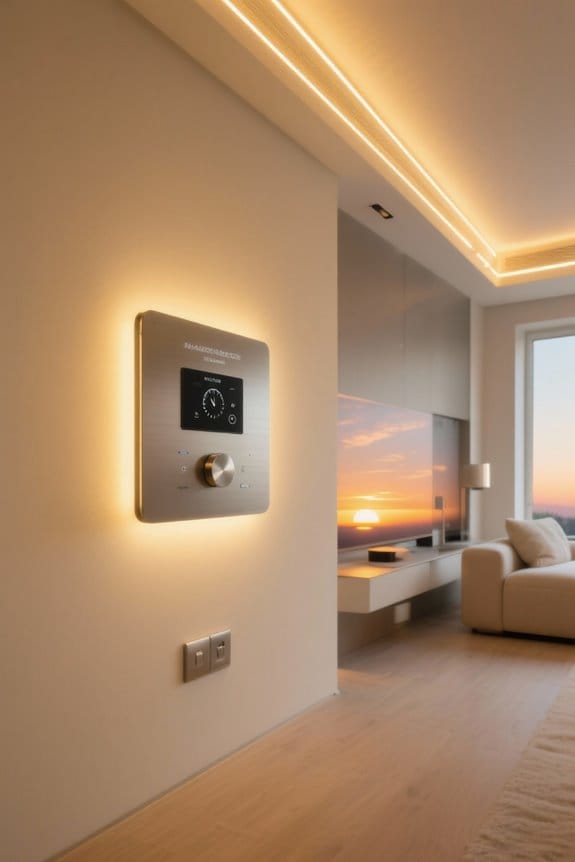
The science behind sunrise sunset timers encompasses a series of precise calculations and technological advancements that enhance lighting based on natural daylight. Utilizing geographical coordinates, namely latitude and longitude, these timers determine accurate sunrise and sunset times throughout the year. This function allows them to adjust lighting automatically, ensuring effective use of natural daylight and enhancing user comfort during varying daylight hours. By aligning indoor and outdoor lighting with these patterns, such timers promote energy conservation, leading to potential cost savings on utility bills. The advanced technology also adapts to different landscapes and local conditions, making sunset timers applicable for diverse residential and commercial settings, thereby enhancing safety, security, and sustainable energy management practices. Dimmable cabinet lighting options can also be integrated with sunrise sunset timers to provide a seamless transition in lighting intensity, enhancing both functionality and energy efficiency.
The Role of Sunrise Sunset Timers in Lighting Solutions
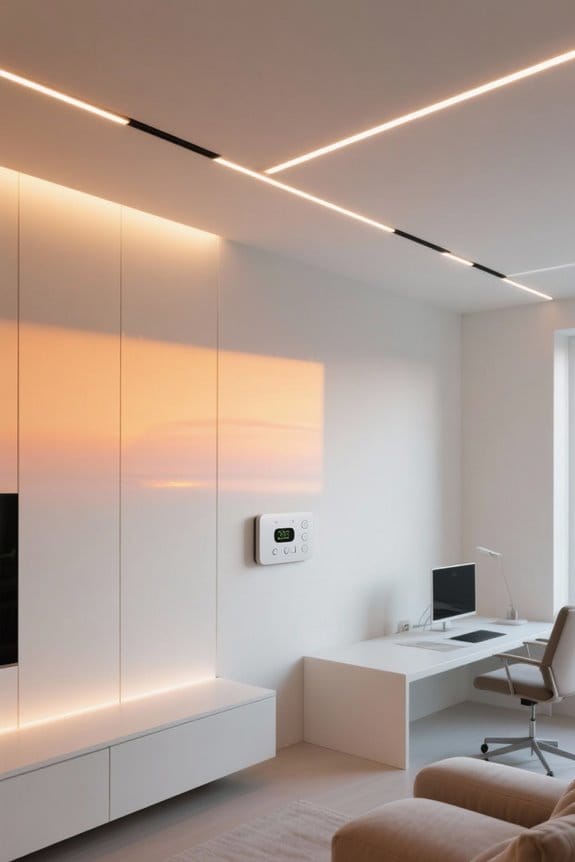
In recent years, sunrise sunset timers have emerged as essential components in modern lighting solutions, offering enhanced control over indoor and outdoor illumination. These timers automatically adjust lighting to align with the sun goes down or rises, utilizing astronomical data based on geographical location. This precise adjustment supports the natural circadian rhythm, improving sleep quality and overall well-being for users. Additionally, adjustable settings allow for customization, accommodating individual preferences and seasonal changes in light levels. By reducing unnecessary electricity use, these timers contribute to energy conservation, promoting a more sustainable environment. Some smart dimmer switches, like the MOES 3 Way Smart Star Ring Dimmer, offer smooth dimming from 1% to 100%, ensuring seamless transitions in lighting intensity. As a result, integrating sunrise sunset timers into lighting designs becomes a must-have for those seeking comfort, convenience, and harmony with natural daylight patterns.
Energy Efficiency and Cost Savings
Implementing energy-efficient lighting solutions not only enhances the ambiance of a space but also leads to substantial cost savings. Automating lighting based on sunset and sunrise times guarantees that lights operate only when necessary, markedly reducing electricity costs. Research indicates that daylight-based automation can achieve a 20-30% decrease in overall energy usage in residential settings. In addition, with an estimated 30% of home energy consumption linked to lighting, this automation can lower those figures considerably. By aligning indoor lighting with outdoor brightness, households use artificial light more effectively. This proactive approach promotes energy efficiency and fosters long-term cost savings on utility bills, making it a must-have for homeowners looking to optimize their energy consumption while managing expenses efficiently. Incorporating motion sensor technology into lighting systems further boosts energy savings by ensuring lights activate only when movement is detected, reducing unnecessary usage.
Enhancing Comfort and Convenience
Enhancing comfort and convenience in residential lighting involves aligning artificial illumination with the natural rhythms of daylight, ultimately fostering a more harmonious living environment. Sunset and sunrise automation can notably enhance mood and well-being by gradually adjusting light temperatures in sync with the sun’s natural movement throughout the day. This process creates a soothing atmosphere, making the shift from bright daylight to soft evening light gentle and pleasant. Users gain control over their settings, allowing customization based on personal preferences and time. Additionally, these gradual shifts not only improve comfort but also reduce reliance on artificial lighting during peak daylight hours, leading to pronounced energy savings while promoting a healthier, more balanced lifestyle in residential spaces. Incorporating RGBIC technology into ambient lighting offers dynamic scene modes and customizable colors, enhancing the overall ambiance and personalization options for users.
Residential Lighting Solutions
Effective residential lighting solutions stand as a crucial component in creating comfortable and inviting living spaces, profoundly influencing both aesthetics and functionality. By integrating sunset/sunrise automation, homeowners can synchronize lighting with the natural progression of the day, ensuring a gradual shift as the sun sets. Smart devices play an essential role in this process, allowing for automatic adjustments in color temperature from warm to bright (2000-6500 kelvin), which promotes well-being and minimizes harsh light changes. Utilizing advanced astronomical data, these systems adapt to seasonal variations in daylight hours, tailoring lighting to geographical settings and time zones. Home automation can trigger gradual brightening of smart bulbs, enhancing the wake-up experience and effectively mimicking sunrise, benefiting overall health and ambiance. Additionally, dimmable features in lighting solutions allow for adjustable brightness, providing comfort and versatility in residential settings.
Commercial Lighting Solutions
Integrating sunrise and sunset automation in commercial lighting solutions presents a powerful opportunity for businesses to enhance their work environments while markedly reducing energy costs. Using advanced sensors and timers, these systems automatically adjust lighting based on natural light changes, aligning with daylight saving time practices. Commercial setups facilitate customized schedules and intensity levels, enhancing individual users’ productivity while meeting specific operational needs. Additionally, daylight harvesting techniques help maximize natural light usage, potentially lowering energy consumption by up to 30%. Smart technology integration allows for real-time adjustments and data tracking, ensuring ideal maintenance and extending the lifespan of lighting fixtures. Overall, the implementation of these solutions promotes sustainability, improves workspace ambiance, and drives significant cost savings for businesses. Another advantage of these systems is their compatibility with platforms like Apple Home, Google Home, and Alexa, making them versatile for various smart home ecosystems.
Smart Home Integration and Automation
As smart home technology continues to evolve, the importance of sunset and sunrise automation becomes increasingly apparent. This system utilizes precise astronomical data to synchronize lighting with local sunset and sunrise times, enhancing user comfort and natural light exposure. Homeowners can benefit from scheduling automatic device operations at these key times, contributing to energy conservation and noticeable savings on energy bills. Additionally, incorporating sunset and sunrise timers helps maintain ideal indoor temperatures by reducing reliance on artificial lighting during daylight hours. While users still need personalization, customization options allow for offsets in lighting triggers, accommodating individual preferences. By integrating geographical location services, smart home systems can dynamically adjust, ensuring effective lighting management year-round in residential settings. Voice control capabilities enhance user convenience, allowing seamless integration with smart home systems and offering control through apps or voice commands.
Factors to Consider
When planning a sunset and sunrise automation system, several critical factors warrant careful consideration to guarantee its effectiveness and efficiency. First, precise geographical location data is essential, as it directly influences the accurate timing of sunrise and sunset adjustments. The time of sunrise varies throughout the year, necessitating dynamic adjustments that account for seasonal changes in daylight hours. Furthermore, incorporating gradual light shifts helps reduce harsh brightness transitions, supporting better sleep quality and comfort. Integrating sensors for real-time environmental feedback further refines control, allowing the system to adapt automatically to varying weather conditions. Finally, utilizing algorithms that leverage astronomical data optimizes energy efficiency, ensuring a splendidly natural lifestyle while conserving electricity during daylight hours, enhancing the overall ambiance of living spaces. Many modern lighting designs leverage advanced technology for higher lumens, making them ideal for eco-conscious homeowners seeking sustainable lighting.
Frequently Asked Questions
What Is the Best Natural Light Alarm Clock?
The best natural light alarm clocks effectively harness natural light benefits, gradually increasing brightness to align with sleep cycle importance. Models that offer customizable settings enhance user experience, promoting better mornings and improved overall wellness throughout the day.
What Is the Lamp That Mimics the Sunrise?
The lamp that mimics the sunrise is a device designed to simulate the gradual emergence of dawn. By providing light therapy, it enhances mood and energy, harnessing the sunrise benefits of natural light stimulation.
What Features Make a Good Sunrise Alarm?
A good sunrise alarm incorporates gradual natural light increases, facilitating smoother shifts in sleep cycles. Features such as customizable brightness, sound options, and seasonal timing adjustments enhance the waking experience, promoting alertness and well-being.
What Is the Difference Between Hue Sunrise and Transition to Bright?
“Slow and steady wins the race.” The difference between Hue Sunrise and Shift to Bright lies in Hue brightness; the former emulates natural lighting with gradual dawn, while the latter abruptly shifts to full illumination.


