

When constructing outdoor structures with aluminum, brass, and steel, it’s essential to take into account their corrosion vulnerabilities. Aluminum offers natural corrosion resistance due to its protective oxide layer, while brass and steel can face significant rust and corrosion challenges. To enhance durability, prepare surfaces with anodizing or powder coating, and include design features like drainage channels and slopes to prevent moisture accumulation. Understanding these strategies will guide material choices and design decisions for long-lasting outdoor applications. Further insights are ahead.
Key Takeaways
- Aluminum’s natural oxide layer offers good corrosion resistance, but factors like humidity and chlorides can compromise it, especially in outdoor environments.
- Brass is resistant to corrosion but can undergo dezincification when exposed to certain environments, resulting in material degradation.
- Steel is prone to rust and corrosion without protective coatings, particularly in humid or wet outdoor conditions.
- To mitigate galvanic corrosion, avoid direct contact between dissimilar metals like aluminum, brass, and steel in moist environments.
- Regular maintenance, including inspections and cleaning, is essential for all metals to detect and prevent corrosion issues early.
Understanding Corrosion and Its Impact on Aluminum
Corrosion poses a considerable challenge for metals exposed to outdoor environments, particularly aluminum. Although aluminum forms a natural protective oxide layer that improves its corrosion resistance, it remains vulnerable to various issues. Environmental factors, such as humidity, temperature fluctuations, and exposure to salt spray, can considerably accelerate the corrosion process. Key concerns for aluminum include galvanic corrosion when it contacts other metals and pitting corrosion due to chlorides and confined moisture. To combat these threats, regular maintenance is essential, including inspections and timely repairs. Utilizing protective strategies like anodizing or powder coating enhances aluminum’s longevity and durability. Implementing these solutions is necessary for ensuring aluminum performs effectively in demanding outdoor environments, preserving its structural integrity and aesthetic appeal over time. One way to enhance the durability of outdoor fixtures is by selecting weather-resistant features, ensuring longevity against the elements.
Natural Resistance of Aluminum to Corrosion

When exposed to air, aluminum initiates the formation of a protective oxide layer, which greatly enhances its resistance to corrosion. This layer effectively blocks moisture and oxygen, making aluminum one of the most reliable corrosion-resistant metals for outdoor use. Unlike materials such as steel or iron, aluminum’s natural protective properties eliminate the need for additional paint or coatings. However, environmental elements like high humidity or chlorides can still compromise its integrity, underscoring the importance of routine maintenance. To further enhance durability, treatments like anodizing and powder coating can strengthen this protective barrier, providing greater resistance against corrosion. Understanding these mechanisms is essential for effective aluminum utilization in various applications, ensuring long-lasting performance in challenging outdoor conditions. In the realm of indoor lighting, brushed brass finishes are often chosen for their aesthetic appeal and durability, adding a touch of elegance to semi flush mount lights.
Recommended Products

Superior Airflow: The E-Series offers three diameter options: 7, 10, and 12 ft, ensuring powerful air movement for your unique spaces up to 3,600 square feet, making it ideal for shops, gyms, warehouses, and various commercial settings

HYBRID X TECHNOLOGY - The Hybrid X cross bow merges recurve reliability with compound innovation; It features HO Hybrid limbs, InnerDrive Cams, and a Fixed Position Cam system that improves performance, reduces width, and cuts draw weight, ideal for crossbows for hunting in any terrain
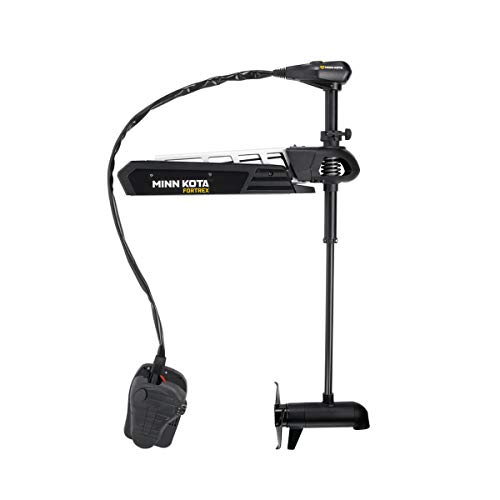
Lift-Assist Mount: Patented Lift-Assist Design cuts the weight of stow and deploy in half.
Types of Corrosion and Environmental Factors

Understanding the various types of corrosion that can affect aluminum is essential for maintaining its integrity in outdoor applications. Common types include galvanic corrosion, which occurs when aluminum contacts other metals in moist environments, leading to accelerated deterioration. Additionally, pitting corrosion, exacerbated by chlorides, results in small pits that compromise the metal’s surface. Crevice corrosion can develop in confined spaces where moisture gathers, often trapping debris that fosters corrosion. Environmental factors also play a significant role; high humidity, temperature fluctuations, and exposure to salt spray greatly increase corrosion risks. Regular maintenance and inspections are must-have practices to identify early signs of corrosion, especially in areas that experience heavy snowfall or use road salts, ensuring aluminum structures remain protected outdoors. Selecting lighting fixtures with corrosion-resistant materials can significantly enhance durability in harsh weather conditions, as these materials are designed to withstand the challenges posed by wet and damp environments.
Recommended Products

Can be hung on a sloped ceiling

✔Superior lighting performance -- Our 450W commercial parking lot lights fixture delivers 67500 lumens of output with a luminous efficacy of 150LM/W. It provides bright 5000k daylight illumination while reducing energy consumption by up to 90%. 100-277V input voltage can meet all of your different needs in driveways, backyards, stadiums, parking lots, and other outdoor places.

✅[ 400W Commercial Grade LED Flood Light ] - This is a 400W LED LED shoebox parking lot Light with an input voltage of 277-480V. It's 400W, super bright 5000K daylight, Equivalent 1500W, 60000 lumens, CRI > 85, TYPEⅢ beam angle. IP65 rated waterproof, suitable for outdoor using during rain, sandstorm, snowstorm, harsh weather conditions.
Strategies to Enhance Aluminum’s Corrosion Resistance
Enhancing aluminum’s corrosion resistance is crucial for ensuring longevity and functionality in outdoor applications. Utilizing anodizing thickens aluminum’s natural oxide layer, greatly increasing durability while providing aesthetic options. Powder coating offers a seamless barrier that resists moisture and provides UV protection, making it ideal for demanding environments. Additionally, chromate treatments create a chemical shield against pitting corrosion from elements like chlorides. Regular preventive maintenance, including inspections and cleanings, remains essential to detect early corrosion signs and maintain protective coatings. Moreover, designing with effective drainage prevents water pooling, reducing the risk of corrosion. These strategies collectively enhance aluminum’s corrosion resistance, ensuring it remains a reliable choice for outdoor applications subjected to various environmental challenges. Utilizing connectable rope lights can also enhance the aesthetic appeal of outdoor spaces while providing energy-efficient illumination options.
Recommended Products

Minimalism Style: Clean lines, simple shapes, and a neutral color palette. Aluminum frame with drawstring design focuses on comfort while maintaining a modern and understated aesthetic.

Modern & Durable Strength: Experience a luxurious and modern aesthetic with this outdoor furniture set; Designed with full-aluminum frames and a super-weather-resistant powder coating, it effectively resists rust and corrosion; Precision-welded extruded tubing and reinforced stress points keep the structure lightweight yet impressively strong and stable, supporting up to 500 lbs; A perfect choice for anyone seeking a luxurious and durable patio sofa set

Rust-Proof Aluminum Frame: Engineered with premium powder-coated aluminum, this heavy-duty outdoor dining table set replicates the rich, prestigious warmth of natural wood for coastal homeowners. Perfect for unshaded open-air decks in year-round weather exposure, its luxurious Teak Finish delivers a timeless estate aesthetic while completely minimizing the rotting or maintenance hassle of real timber.
Maintenance and Design Considerations for Aluminum Enclosures
Effective maintenance and thoughtful design are fundamental in ensuring the durability of aluminum enclosures exposed to outdoor elements. Implementing drainage holes or channels is essential to prevent moisture accumulation and reduce corrosion risks. Designers must create roofs with slopes and overhangs, ensuring elevated bases to facilitate water runoff. Routine inspections should be scheduled to identify early corrosion signs and maintain protective coatings, preserving the aluminum surfaces’ integrity. Using non-conductive spacers can also prevent contact between aluminum and dissimilar metals, safeguarding its protective layer from galvanic corrosion. Regularly cleaning the surfaces removes corrosive debris and addresses minor damages promptly, preventing escalation into considerable corrosion issues. Adhering to these maintenance and design considerations markedly enhances the longevity of aluminum enclosures. Additionally, the use of high Color Rendering Index lighting in outdoor settings can enhance visual clarity and ensure true color representation in design applications.
Recommended Products
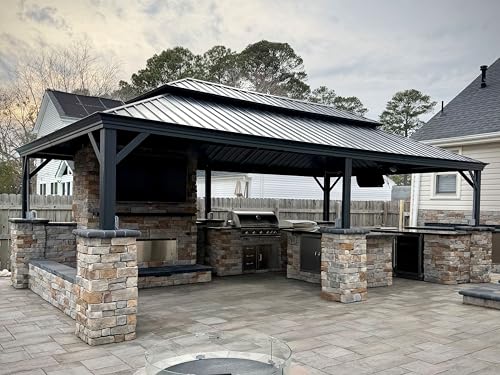
Built-in Drainage System: Ensures rainwater runs off the edges of the frame and down to the bottom of the post, keeping the interior dry.

Versatile Usage: The Domi multifunctional sunroom is perfect for a range of outdoor activities. Whether you're relaxing, entertaining, or sunbathing, this sunroom enhances your living space and enriches your lifestyle.

Versatile Usage: The SHPAI multifunctional sunroom is an ideal choice for various outdoor activities. It serves not only as a leisure and entertainment space but also for sunbathing. In addition to providing a comfortable living environment, it also adds to the enjoyment of life and improves the quality of living.
Frequently Asked Questions
How to Prevent Galvanic Corrosion Between Aluminum and Brass?
To prevent galvanic corrosion between aluminum alloy and brass fittings, utilize protective barriers like electrical insulation, apply anti-corrosion coatings, implement humidity control, consider metal compatibility, and utilize sacrificial anodes or the anodization process for added protection.
Will Aluminum Corrode Outdoors?
Aluminum may corrode outdoors due to environmental effects, despite its durability. Factors such as galvanic potential and alloy types influence corrosion. Protective coatings and maintenance tips can enhance aluminum’s lifespan compared to steel in harsh conditions.
Will Brass Corrode Outdoors?
Brass will corrode outdoors, particularly in marine environments due to chlorides. However, brass properties and finishes enhance resistance, making brass applications sustainable. Regular brass maintenance guarantees longevity, providing advantages over bronze in architectural elements.
What to Put Between Steel and Aluminum to Prevent Corrosion?
To avoid galvanic corrosion, the wise choice involves employing insulating materials options like plastic or rubber as a metals contact barrier, applying corrosion resistant coatings, and adhering to maintenance practices recommended to safeguard against steel-aluminum interaction.