

Garden sculptures enhance outdoor spaces without overwhelming surrounding plants by serving as focal points. Select robust materials like stone or metal to withstand elements, ensuring longevity and visual appeal. Position sculptures strategically, considering sightlines from pathways or key vantage points. Incorporate surrounding vegetation that harmonizes with the sculpture’s form, balancing vibrant placements of tall and low plants. Effective lighting, such as soft LED options, can further highlight these pieces. Continue exploring to discover more design strategies and art options.
Key Takeaways
- Select sculptures that harmonize with the garden’s plant life to ensure visual balance and coherence.
- Position sculptures along key sightlines to create inviting focal points without overshadowing surrounding flora.
- Surround sculptures with a mix of tall and low plants to enhance their form and generate a dynamic landscape.
- Use outdoor lighting strategically to highlight sculptures at night while maintaining a softer ambiance for plants.
- Maintain proportional harmony between sculptures and nearby plant arrangements to keep the overall design cohesive and appealing.
Why Add a Sculpture to Your Garden?
What makes garden sculptures a valuable addition to outdoor spaces? Garden sculptures serve as striking focal points that enhance visual interest and evoke a sense of elegance throughout the year. Unlike seasonal plants that fade, sculptures provide enduring beauty while creating a narrative that complements the garden’s design. Selecting a piece that reflects the garden’s style guarantees personal taste is showcased and the overall aesthetic is enriched. Thoughtfully placed sculptures can draw attention to specific areas, guiding visitors and creating harmony with surrounding plant life. Integrating these artistic elements encourages interaction, fostering deeper emotional connections between individuals and their outdoor environment. As a result, incorporating garden sculptures is not just fashionable, but a strategic choice for elevating garden design and enjoyment. Many garden sculptures, much like energy-efficient LED bulbs, contribute to an eco-friendly design by utilizing sustainable materials and processes.
How to Design a Garden With a Sculpture

Designing a garden that showcases a sculpture requires careful consideration of both the artistic piece and its surroundings. First, select a garden sculpture that resonates with the garden’s style and aligns with the existing architecture. Placement is vital; confirm the sculpture is in a visible location that integrates seamlessly into the landscape design. Surround the sculpture with a well-curated selection of plants that either contrast or harmonize with the sculpture’s form, achieving balance with varying heights. Use life-size mock-ups to visualize placement before installation, allowing for adjustments that enhance both the sculpture’s beauty and the overall aesthetic. Finally, incorporate outdoor lighting to elevate its visibility, creating a stunning focal point that captivates attention, even after sunset. Many models of lighting are solar-powered, ensuring low energy costs and eco-friendly operation.
Recommended Products

Made in the USA by Amish craftsmen
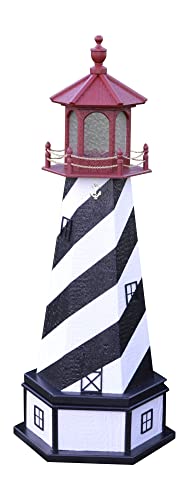
Made in the USA by Amish craftsmen

Made in the USA by Amish craftsmen
The Best Materials for Garden Sculptures

Selecting the right materials for garden sculptures plays a significant role in enhancing both the visual appeal and durability of the artwork. For lasting garden art, robust materials such as metals, stone, concrete, ceramics, and fiberglass are essential, each offering distinct aesthetics. Natural stones like marble not only provide elegance but also withstand outdoor elements, ensuring enduring beauty. Metals such as bronze and steel develop a unique patina over time, allowing them to harmonize beautifully with natural elements. While lightweight resins can be tempting, they often fade and fail in harsh weather, making heavier materials the better choice for long-term garden design. Solar pathway lights can enhance the ambiance around sculptures by providing environmentally friendly illumination without overpowering the art. Ultimately, the selected sculptures should reflect personal style while complementing the surrounding landscape.
Recommended Products

This is a full-scale reproduction of the Midway Gardens Sprite
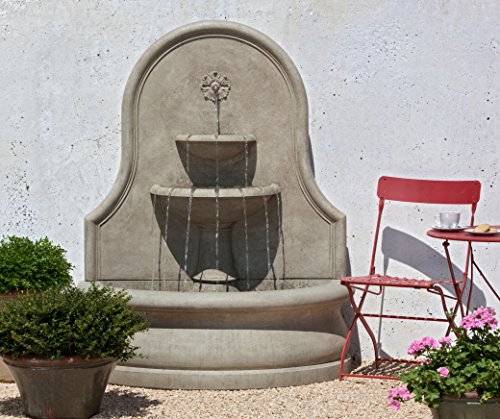
Brand: campania international

Antique Replica - Resculpted from a damaged Italian church antique, our Blessed Mother of the Immaculate Conception statue is truly awe-inspiring in the European tradition of devotional sculpture
Making a Sculpture the Highlight of Your Garden
A striking sculpture can transform a garden from ordinary to extraordinary, serving as an enthralling focal point that draws the eye. Selecting a sculpture that complements the garden’s design style and reflects personal taste is essential for a cohesive aesthetic. Its placement should enhance sightlines from both the house and key pathways, ensuring visibility from multiple angles. Surrounding the sculpture with complementary plantings, including a balanced ratio of tall and low plants, enhances its form and texture. Additionally, incorporating lighting solutions can create dramatic shadows and highlight intricate details, making the sculpture a mesmerizing feature even after sunset. Integrating the sculpture into the outdoor space fosters visual harmony, allowing it to stand out without overwhelming the overall garden design. Consider the use of energy-efficient LED bulbs for the lighting solutions to reduce electricity costs and maintain sustainability.
Concentrate On The Focal Point
Focal points in garden design serve as enchanting elements that draw attention and anchor the overall composition. Garden sculptures should be thoughtfully selected and strategically placed to resonate as focal points while enhancing the surrounding plant life. Achieving this balance requires careful consideration of sightlines; sculptures positioned along key views invite admiration without overshadowing the beauty of plants. Art that reflects the garden’s emotional tone and complements the design style adds depth to the narrative. Additionally, it is essential to maintain harmony by selecting sculptures that are proportional to their plant companions. Thoughtful plant arrangements can integrate with the sculpture, creating a cohesive aesthetic that elevates the art, while ensuring the garden remains a tranquil haven. Consider incorporating a beaded farmhouse chandelier to add a rustic charm to your garden’s seating area, enhancing the ambiance with warm illumination.
Modification Of Shape And Texture
Incorporating modifications of shape and texture into garden sculptures can greatly enhance the visual appeal of outdoor spaces. The modification of shape, such as curvilinear forms or geometric angles, creates visual contrasts that highlight plant textures while maintaining harmony within the landscape. Textural variations, like smooth finishes juxtaposed against rough surfaces, draw attention without overshadowing surrounding greenery, ensuring artistic balance. Sculptures that mimic natural shapes—like flowing lines emulating grasses or forms echoing flower petals—create a seamless unity between art and nature. Additionally, utilizing mixed materials, such as polished stone alongside rusted metal, enhances visual interest, complementing various plant species. Finally, considering the scale of sculptures can invite intricate inspection, allowing plants to remain prominent without feeling overwhelmed. One innovative approach is to utilize shatter-proof tempered glass in garden sculptures, which not only provides durability but also creates unique reflections that interact with natural light, similar to the anti-fog LED mirrors used in modern bathrooms.
Incorporate Colour Into The Garden
When considering the impact of color in garden design, vibrant sculptures serve as effective tools for enhancing visual harmony and emotional resonance. By selecting sculptures in colors that complement the natural hues of plants, gardeners can achieve visual balance while telling a compelling story. Bold colors, like bright reds or blues, can become striking focal points that captivate attention without overpowering the delicate colors of flowers. Additionally, sculptures that feature multiple tones or patinas can reflect the seasonal shifts in plant life, maintaining interest year-round. Grouping colorful sculptures with lighter-toned plants enhances the garden’s dimensionality, while applying color theory principles guarantees an aesthetically pleasing design. Such thoughtful color integration creates a cohesive and inviting outdoor space, embodying the essence of garden artistry. Additionally, incorporating solar-powered lighting can enhance the aesthetic appeal of garden sculptures at night while being energy-efficient.
Things To Consider When Choosing Garden Art
Selecting the right garden art requires careful consideration, as it can considerably influence the overall aesthetic and atmosphere of an outdoor space. First, assess the size and scale of the art in relation to existing plants and structures to maintain visual harmony. Small spaces benefit from more delicate pieces, preventing an overwhelming effect. Next, consider strategically placing art as focal points along pathways or within garden beds, ensuring visibility from key vantage points to enhance visitor engagement. Additionally, choose durable materials like stone, metal, or wood to withstand various weather conditions, ensuring that the art remains beautiful over time. LED picture lights, such as those offered by EZVALO and Xbuyee, can enhance the visibility and aesthetic of outdoor sculptures by providing adjustable lighting options. Ultimately, personalize your garden art selection to reflect individual style and taste, adding unique character to your outdoor landscape.
Recommended Products

Handcrafted in Pennsylvania by Amish craftsmen

Handcrafted in Pennsylvania by Amish craftsmen

【Simulation crocodile ornaments】:The crocodile is the king of water and one of the ancient amphibians. Although they are fierce, they are animals that can do their best to protect their families;symbolize longevity and are animals that can bring good luck and happiness
Types Of Garden Artwork
Garden artwork encompasses a diverse array of styles and materials, considerably enhancing outdoor spaces. Sculptures made from metal, stone, or wood serve as striking focal points, drawing attention while complementing greenery. Creative trellises not only support climbing plants but also introduce artistic flair, melding form and function beautifully. Decorative pieces like engraved stones, wind chimes, and mosaic art infuse unique personality, enriching the visual landscape of gardens. Additionally, functional elements such as bird feeders and baths attract wildlife, integrating art and nature for a lively ambiance. DIY creations, including repurposed furniture or painted planters, allow garden enthusiasts to showcase their creativity, reflecting personal tastes. Adding energy-efficient LED options can illuminate sculptures at night, highlighting art without overpowering the natural beauty of the plants. These various types of art enhance the charm and character of outdoor areas effectively.
Recommended Products

This massive Christmas train is the best decoration for going above and beyond this holiday season. It can be used in your front lawn to grab the attention of everyone passing by or in your store, mall, or town center as an excellent commercial photo op.

Impressive Life-Size Dimensions: Standing at a towering 93 inches in height, each Roman soldier sculpture commands attention with its grand scale. Measuring 22 inches in length and 31 inches in width, these statues make a powerful statement in any environment—whether flanking a grand entrance, lining a garden pathway, or accenting a patio space.

Logistics For Outdoor Sculpture Installation
Effective outdoor sculpture installation requires careful planning and assessment, guaranteeing that each piece not only integrates seamlessly into the landscape but also remains secure and visually appealing. Logistics play an essential role in this process; first, it is vital to contemplate location for access and visibility to achieve harmony with surrounding plants. Additionally, the sculpture’s weight and materials influence installation methods, with heavier pieces often needing concrete footings or specialized equipment. It’s wise to plan installations during favorable weather, preventing damage to both the garden and sculpture. Employing transportation methods like dollies can minimize disruption in the garden. Many outdoor light fixtures come with IP65 ratings, ensuring resilience to harsh weather and offering insights into selecting durable materials for sculptures. Finally, always check local zoning regulations to guarantee compliance and avoid potential issues after the installation is complete.
Recommended Products

Durable Material: Made from non-rust aluminum for outdoor resilience.

Material: Brass Statue

Impressive Dimensions: Measuring approximately 21.7" L x 13.8" W x 31.5" H and weighing 48.5-55 lbs, this substantial statue is ideal for making a bold statement in any setting.
Ideas For Incorporating Art Into Your Outdoor Area
Incorporating art into outdoor spaces enhances both functionality and aesthetics, transforming gardens into engaging retreats. To achieve visual balance, select sculptures that complement your home’s architectural style and integrate seamlessly into the garden design. Consider using life-size mock-ups to visualize their impact and find ideal placements appreciated from various angles. Surround each piece of art with thoughtfully chosen plantings, enhancing their form and texture. Position sculptures along key sightlines, such as pathways or viewpoints, ensuring they serve as inviting focal points. Experiment with durable materials like stone or aged metal, which develop character over time, ensuring they resonate with the garden’s emotional tone. These strategies will effectively transform your garden, creating a harmonious blend of nature and art.
Frequently Asked Questions
Do Garden Statues Increase Property Value?
Garden statues increase property value by enhancing statue aesthetics and overall property appeal. As a landscaping investment, they attract potential buyers, creating focal points that elevate perceived desirability and differentiation in competitive real estate markets.
What Is a Plant Sculpture Called?
A plant sculpture is called a topiary, representing an artistic form of plant art. These natural sculptures serve as botanical installations, showcasing creativity through the intricate shaping and maintenance of greenery into diverse and imaginative designs.
What Plants Are Good for Arts and Crafts Garden?
Crafty succulents, aromatic herbs for herbal collages, and vibrant native wildflowers for floral installations create an inviting arts and crafts garden. These plants enhance creativity while attracting pollinators and providing minimal maintenance throughout the seasons.
What Art Makes No Reference to the Natural World?
Abstract expressionism, urban installations, and minimalist design dominate the domain of non-naturalistic art. Ironically, these artificial forms celebrate human creativity while starkly contrasting nature, prompting reflections on beauty, existence, and the often overlooked relationship between both.