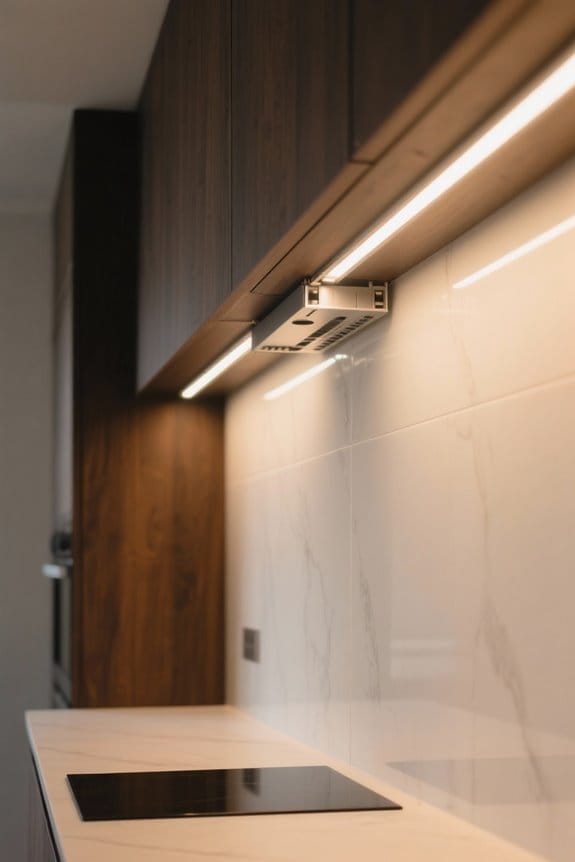


The glare index, a crucial metric in lighting design, gauges fixture comfort by evaluating potential discomfort from excessive brightness. To achieve ideal comfort, aim for a Unified Glare Rating (UGR) below 19. Essential factors include uniform light distribution, appropriate color temperature, and luminaire design features like depth of concealment and anti-glare grids. Utilizing advanced technologies like diffused LED panels can greatly enhance visual comfort. Explore more to discover effective strategies for selecting the right fixtures that balance aesthetics and functionality.
Key Takeaways
- The Unified Glare Rating (UGR) should be 19 or below for comfortable lighting in offices and workspaces.
- Fixture design elements, like 45° shading angles and optical collimating lenses, significantly reduce discomfort glare.
- Highly reflective surfaces should be avoided as they amplify glare effects and cause distractions.
- Adjustable optics and diffusers help tailor illumination and soften harsh lighting for enhanced visual comfort.
- Future trends in lighting emphasize advanced technologies, like adaptive systems and anti-glare lenses, for improved glare control.
Understanding Glare and Its Impact on Comfort
Understanding glare and its impact on comfort is essential for creating effective and inviting workspaces. Glare, defined as discomfort due to excessive brightness, can lead to visual fatigue and impair productivity. Two types of glare exist: disability glare, which reduces visibility, and discomfort glare, which distracts without affecting visual tasks. Sources of glare include direct sunlight, reflections, and intense artificial lighting fixtures. The Unified Glare Rating (UGR) measures subjective discomfort, with values above 19 indicating noticeable irritation. To promote comfort in offices, effective glare management techniques are imperative. These might include selecting anti-glare lighting fixtures, adjusting their height, or incorporating softer lighting design. Prioritizing glare reduction ultimately enhances visual comfort and boosts overall workplace well-being. Some outdoor lighting options come with automatic dusk-to-dawn operation, which not only enhances energy efficiency but also ensures consistent illumination without contributing to excessive glare.
What Is the Glare Index?
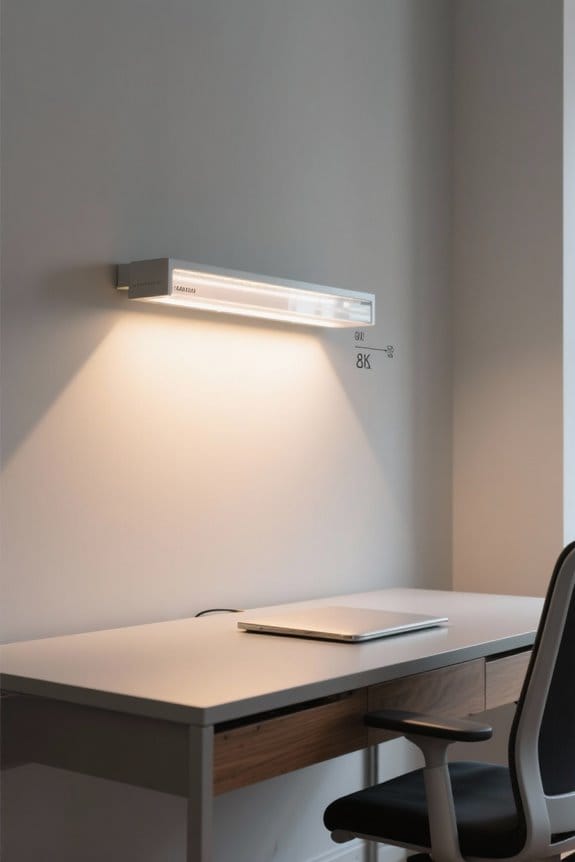
Glare Index, often referred to as Unified Glare Rating (UGR), serves as an essential measurement in evaluating how lighting fixtures affect comfort during visual tasks. The UGR values range from below 19, where light is generally comfortable, to above 22, where significant discomfort and eye strain can occur. This rating is particularly vital in environments like offices and factories, where visual comfort and productivity are paramount. Proper lighting design incorporates glare reduction techniques to mitigate discomfort caused by excessive brightness. Key factors influencing the glare index include the luminance of light sources, the observer’s position, and the reflectance of surfaces in the space. Design choices must align with UGR guidelines to create an environment conducive to effective visual tasks. Choosing fixtures with high energy efficiency not only reduces glare but also saves energy, making it a sustainable choice for long-term use.
Key Factors Influencing Glare Perception

When selecting lighting fixtures, several key factors must be considered to effectively manage glare perception, enhancing visual comfort in any environment. The luminous intensity and position of a glare source considerably affect how bright light impacts observers. Fixtures that adhere to specific lighting standards can help reduce glare. Highly reflective surfaces, such as glossy walls or floors, can amplify glare effects, necessitating careful material choices. Furthermore, the size of a glare source influences discomfort levels; larger sources typically produce more perceived discomfort than smaller ones. Individual factors, including age and eye health, can vary sensitivity to glare, with older individuals experiencing heightened discomfort. Understanding these elements is critical in achieving a prime visual environment. Additionally, selecting ambient lighting strips with dimmable features allows users to optimize their lighting to reduce glare while enhancing both energy efficiency and aesthetic appeal.
The Importance of Uniform Light Distribution
Achieving a visually comfortable environment mandates attention to uniform light distribution, which plays a fundamental role in minimizing excessive brightness contrasts. Essential for meeting UGR standards, particularly UGR ≤ 19 in offices and classrooms, this consistency enhances visual comfort. Effective use of diffused LED panels and thoughtfully designed lighting fixtures guarantees balanced illumination levels, considerably reducing glare and alleviating eye strain. By strategically placing and configuring these lighting fixtures, designers can maintain uniform light distribution, fostering a workspace that maximizes productivity. Prioritizing proper uniform light distribution not only enhances aesthetic appeal but also contributes to a healthier, more engaging atmosphere. Ultimately, these design choices translate to tangible benefits in comfort, focus, and overall well-being. To ensure optimal comfort and energy efficiency, dimmable features in lighting fixtures can be utilized to adjust brightness levels according to specific needs and preferences.
Fixture Design Elements That Affect Glare
Effective fixture design is essential for managing glare in various environments, ensuring visual comfort and productivity. The depth of concealment for light sources greatly affects glare levels, with a recommended shading angle of at least 45° being ideal for eye comfort. Incorporating optical collimating lenses allows for precise light direction, creating defined beams while minimizing discomfort. Implementing honeycomb anti-glare grids transforms direct light into softer, indirect illumination, enhancing visual comfort and reducing eye strain. Additionally, using matte finishes on lighting fixtures and surrounding surfaces further diminishes reflections, fostering a glare-free environment. Finally, thoughtful arrangement and mounting of fixtures—particularly at higher installations—can notably reduce direct light exposure, thereby effectively lowering perceived glare and enhancing user experience. No-neutral smart switches offer a modern solution for home automation without requiring complex wiring, making them an innovative choice for enhancing lighting control in older homes.
Color Temperature and Its Role in Comfort
Color temperature greatly influences an environment’s overall comfort and productivity, as it directly impacts the visual perception of light. The ideal range for office environments is between 4000K and 5000K, promoting alertness while reducing fatigue. Cooler color temperatures, exceeding 5000K, mimic natural daylight, enhancing concentration and productivity in work settings. In contrast, warm color temperatures, below 3000K, can create a relaxing atmosphere but may induce drowsiness if overused. Selecting appropriate color temperatures is essential for glare management, as variations affect the perception of bright spots and visual comfort. Properly balanced color temperatures, combined with effective glare management, foster best lighting conditions that enhance overall well-being and productivity, ensuring effective lighting systems support successful work environments. Dimmable options in some models of lighting fixtures can also contribute to achieving the desired color temperature, providing flexibility to adapt lighting conditions to specific needs.
Techniques for Minimizing Glare in Lighting Design
Minimizing glare in lighting design is vital for creating comfortable and productive environments, especially in workspaces where visual clarity is paramount. Effective techniques include utilizing indirect lighting, which bounces light off ceilings and walls, thereby softening illumination. In addition, installing diffused LED lights and choosing fixtures with frosted covers can enhance the distribution of light, improving visual comfort by mitigating harsh intensities. Selecting luminaires with narrow beam angles focuses light where it is needed while reducing excess glare. Moreover, positioning light sources above eye level effectively directs light away from the line of sight and employing adjustable optics allows for tailored illumination. Incorporating these strategies is essential in ensuring a superior design workspace while actively minimizing glare. Energy-efficient performance in lighting fixtures not only reduces operational costs but also contributes to enhanced visual comfort by providing consistent and reliable illumination.
Evaluating Different Lighting Technologies
As the landscape of lighting technologies evolves, a careful evaluation of each option is essential to achieving ideal visual comfort in various environments. Options like LED, fluorescent, and incandescent differ greatly, particularly in glare characteristics. LED technology stands out for its directional lighting capabilities, which can effectively reduce glare. When choosing among fixtures, consider glare rating limits and UGR values; a UGR of 19 or lower is ideal for offices and classrooms. Utilizing diffusers, baffles, and anti-glare shields enhances the efficiency of these light fixtures. Additionally, intelligent controls that adjust brightness and direction based on ambient conditions are becoming must-have features for creating a high-quality lighting environment. Many modern arc floor lamps offer dimmable options and adjustable arms, adding flexibility and functionality to interior spaces. This ensures that visual comfort remains a top priority in any setting.
Real-World Applications of Glare Index Principles
Understanding the practical applications of glare index principles is essential for enhancing visual comfort in various settings. In office environments, maintaining a Unified Glare Rating (UGR) of 19 or lower is critical to reduce eye strain and promote productivity. High-precision tasks in laboratories require an even lower UGR of 16 to prevent visual discomfort and errors. Factories and warehouses typically opt for a UGR of 22 to guarantee safety and clear visibility amidst industrial activities. Employing effective lighting solutions, such as diffused LED panels and frosted fixtures, helps achieve desired glare control levels. Additionally, using lighting simulation software like Relux and Dialux assists professionals in designing work environments that comply with glare regulations, thereby enhancing visual comfort for all occupants.
Choosing the Right Lighting Fixtures for Every Space
Selecting appropriate lighting fixtures involves a careful balance of aesthetic appeal, functionality, and visual comfort. For work environments such as offices and classrooms, choosing fixtures with UGR values of 19 or lower is essential to enhance visual comfort and reduce eye strain. Ideal lighting color temperatures should range between 4000K to 5000K, promoting focus and productivity. Utilizing diffusers, like prismatic or frosted covers, helps soften harsh light effects. Positioning light sources above eye level and incorporating indirect lighting techniques can greatly reduce direct glare. In addition, selecting luminaires with narrow beam angles guarantees effective task-specific lighting, enhancing task performance while minimizing discomfort caused by glare. Adjustable uplight fixtures, known for their lighting direction flexibility, offer targeted illumination through features like 350° horizontal and 90° vertical rotation capabilities. Each of these choices contributes to an environment that supports optimal background brightness and usability.
Future Trends in Glare Reduction and Lighting Solutions
How might the next generation of lighting solutions transform spaces while effectively reducing glare? Future trends emphasize glare control through innovative technologies that prioritize visual comfort and energy efficiency. High-performance diffusers and anti-glare lenses play an essential role in minimizing discomfort glare, ensuring adequate illumination. Additionally, adaptive lighting systems equipped with sensors and AI can dynamically adjust brightness and background luminance, enhancing user experiences in various environments. The continued evolution of LED technology fosters refined beam angles and improved light distribution, directly addressing glare issues. Industry collaboration among manufacturers, designers, and professionals will drive standardized metrics for glare reduction, creating ideal lighting environments in commercial, educational, and residential spaces—setting a new standard for comfort and effectiveness in lighting design. Products like motion sensor capabilities, found in popular LED strip lights, offer hands-free operation and contribute to energy efficiency while ensuring immediate illumination upon approach in various environments.
Frequently Asked Questions
What Is the Discomfort Glare Index?
The discomfort glare index quantifies discomfort caused by glare sources in lighting design, influencing human perception of visual comfort. By optimizing fixture efficiency and ambient lighting, glare reduction enhances eye health and overall workplace productivity.
What Are the 4 Types of Glare?
The four types of glare include disability glare, discomfort glare, reflected glare, and background glare. Each affects visual comfort and task visibility differently, influenced by light intensity, glare sources, fixture placement, and surface reflectance in lighting design.
What Is the Standard for Glare Index?
The glare index standard emphasizes glare measurement standards, visual comfort guidelines, and lighting design principles, integrating fixture brightness evaluation, glare reduction techniques, ideal light placement, ambient light considerations, human perception factors, and daylight integration strategies for ideal environments.
What Are the Two Most Important Parameters in Choosing Lighting Fixtures?
The two most important parameters in choosing lighting fixtures are light distribution and fixture design, which encompass lumens output, color temperature, energy efficiency, aesthetic compatibility, dimming capability, and maintenance requirements, tailored to the space purpose.