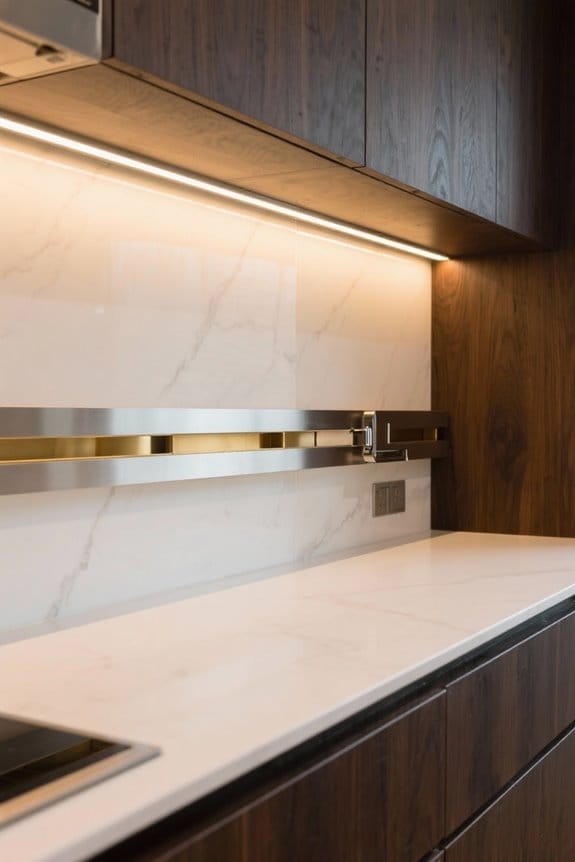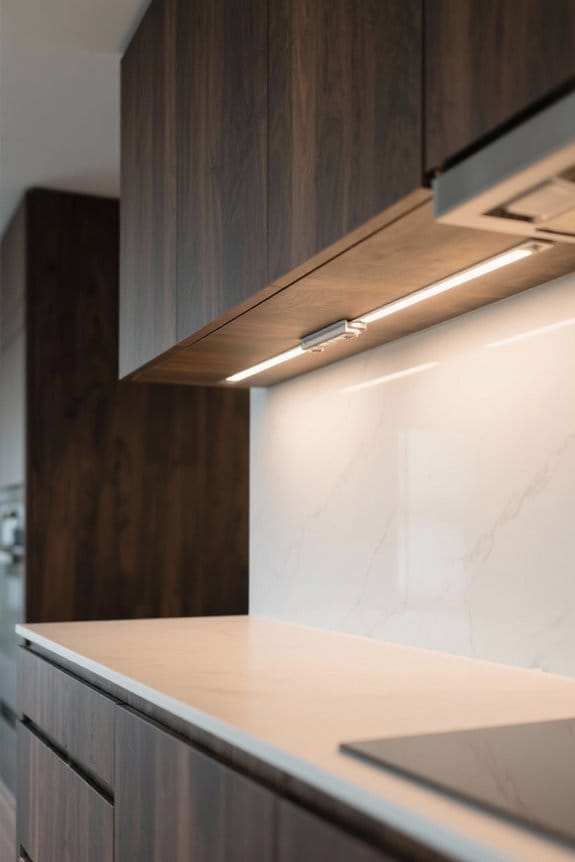
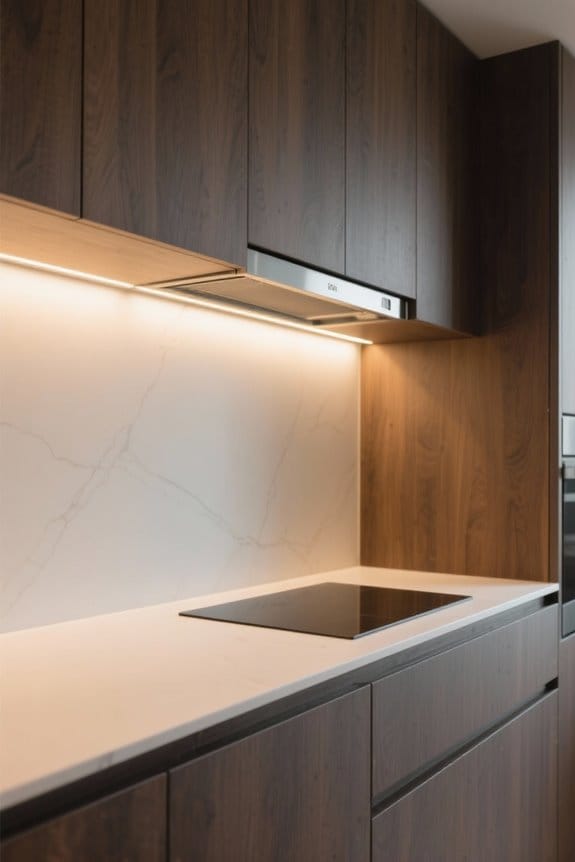

Soft minimalism represents a thoughtful design approach that merges simplicity with warmth, utilizing clean lines and organic shapes to create serene environments. Key to this style are soft, warm neutral colors, such as light beiges and creams, along with natural materials like wood and stone. Functional furniture with rounded forms enhances visual continuity and promotes relaxation. Thoughtful integration of textures and smart lighting options further enriches these spaces. Exploring additional elements will reveal deeper insights into this growing design trend.
Key Takeaways
- Soft minimalism is inspired by nature, using hidden sources like warm neutrals and organic materials to create serene environments.
- Incorporating soft geometric forms and rounded furniture fosters a sense of flow and cohesion throughout the space.
- Layering textures, such as plush rugs and cushions, enhances visual interest while maintaining a calming minimalist aesthetic.
- Functional design elements prioritize practicality, with multifunctional furniture and smart lighting contributing to both utility and tranquil ambiance.
- Thoughtful color palettes and natural materials promote a connection to tranquility, aligning with minimalism’s essence of simplicity and calm.
Understanding Soft Minimalism
As contemporary design evolves, understanding Soft Minimalism becomes essential for creating harmonious living spaces. This aesthetic emphasizes light and airy environments, minimizing clutter to foster serenity. Key elements include soft warm neutral colors, such as beiges and light creams, which coalesce to form an inviting atmosphere. Textural contrasts add depth, encouraging a play of light while maintaining a peaceful ambiance. Furniture selections prioritize clean lines and functional simplicity, ensuring every piece fulfills its purpose without visual overwhelm. Additionally, incorporating organic shapes and natural materials, like wood and jute, strengthens the connection to nature, enhancing the overall comfort of the interior. By focusing on these principles, designers can create spaces that embody tranquility and elegance, essential for modern living. To further enhance such spaces, solar pathway lights with warm white illumination can add a touch of ambient lighting, seamlessly integrating with the minimalist design while providing functional outdoor lighting.
The Role of Color in Soft Minimalism

Color serves as a foundational element in the concept of Soft Minimalism, influencing both the mood and functionality of a space. A carefully curated color palette primarily features soft warm tones, including shades of browns, beiges, and warm creams that promote relaxation. This consistency across wall treatments, furniture, and accessories maintains simplicity and focus throughout the interior. Soft shifts between these colors create depth, while light, earthy tones enhance texture and dimension, fostering serenity. Integrating accents of deeper or muted tones can add visual interest, ensuring the overall design remains calm yet engaging. To achieve the quintessential soft minimalist look, consider employing these principles in color selection, ensuring alignment with your intended atmosphere and design goals. Smart lighting options, such as Alexa-compatible smart bulbs, offer customizable brightness and color settings that complement these design principles by enhancing the ambiance with energy-efficient solutions.
Embracing Natural Materials

In contemporary design, embracing natural materials is essential for achieving the serene aesthetic associated with soft minimalism. Textured surfaces like wood, stone, and commonly used materials such as travertine, plaster, and jute infuse minimalist spaces with warmth and depth. This approach emphasizes softer neutral color palettes of beige and warm creams, which complement natural materials, fostering a relaxing atmosphere. Incorporating organic forms and flowing lines in furniture not only creates a connection to nature but also enhances the inviting ambiance of a room. Layering techniques, combining various textures from natural materials, add visual interest while maintaining the uncluttered look intrinsic to soft minimalism. These elements collectively contribute to a harmonious, balanced environment that radiates a calming natural glow. Weather-resistant features are crucial for outdoor elements to endure the elements, ensuring longevity and reduced maintenance needs.
The Importance of Texture
Texture plays a crucial role in soft minimalism, serving to enrich the visual and tactile experience of a space. By incorporating a variety of materials like travertine, plaster, and natural fibers such as jute, designers create layers of warmth and comfort within neutral colours. Textural contrasts—like rough plaster against smooth marble—foster a dialogue that promotes tranquility and enhances serene environments. The inclusion of cozy textures, such as plush rugs and soft fabric cushions, encourages multisensory interaction, making minimalist interiors inviting and nurturing. Strategically layering different textures not only elevates design cohesiveness but also adds visual complexity essential for a harmonious atmosphere. Rust-resistant finishes are crucial in maintaining the durability of fixtures while contributing to a serene aesthetic. Embracing texture, consequently, becomes a crucial element in achieving the essence of soft minimalism.
Curved Lines and Organic Shapes
Embracing the beauty of curved lines and organic shapes plays a pivotal role in achieving the essence of soft minimalism. These design elements reflect nature’s aesthetics, offering a soothing visual flow within spaces. Curved lines, such as those found in gracefully designed staircases or elegantly contoured furniture, enhance a minimalist look by serving as intriguing focal points. Additionally, organic shapes promote a sense of calm and intimacy, inviting inhabitants into a more relaxed environment. The integration of soft geometry creates a serene atmosphere, countering the rigidity often seen in traditional minimalism. By guiding movement and interaction, these elements foster a connection between architecture and its users, ultimately emphasizing harmony and balance in design. Incorporating energy-efficient lighting options like LED recessed downlights can complement the soft minimalism style, providing a sleek and contemporary aesthetic while offering long-lasting and sustainable illumination.
Lighting Techniques for Serenity
A harmonious atmosphere is greatly influenced by the lighting techniques employed within a minimalist space. Soft lighting, such as that provided by paper lampshades, creates a diffused glow that fosters warmth and intimacy. Incorporating dimmer switches allows for adjustable brightness, enhancing mood and establishing serene atmospheres perfect for various activities. Minimalist fixtures often showcase geometric designs, contributing sculptural elements while maintaining a light and airy feel. The interplay between light and textured surfaces—such as rough plaster against smooth marble—amplifies depth, instilling comfort and tranquility in the environment. Additionally, strategic placement of lamps and fixtures guarantees avoidance of harsh overhead lighting, promoting a relaxed, inviting ambiance throughout the interior. Emphasizing these techniques can achieve an essential element of soft minimalism. Incorporating adjustable color temperature options allows for customizable ambiance, providing versatile lighting solutions for different moods and activities.
Integrating Nature Indoors
Integrating nature indoors becomes a transformative approach within soft minimalism, creating spaces that resonate with organic beauty and tranquility. By emphasizing natural materials such as wood and stone, homeowners can achieve a warm, inviting atmosphere that aligns with minimalist design principles. Incorporating soft tones like browns, beiges, and warm creams enhances this aesthetic, fostering a cohesive look throughout the home. Encourage the addition of greenery, as plants not only enrich the environment but also contribute to a sensory experience filled with calmness. Including elements like jute rugs and linen throws introduces softness to spaces, while large windows or skylights invite natural light, blurring the lines between indoor and outdoor environments, thereby improving overall ambiance and serenity. Additionally, the use of high-quality materials such as tempered glass and durable aluminum in home accessories can further enhance the durability and aesthetic appeal, drawing parallels with the robust construction seen in anti-fog LED mirrors.
The Power of Functional Design
Functional design stands at the forefront of soft minimalism, as it guarantees that every element serves a distinct purpose while enhancing the overall aesthetic of the space. This minimalist approach emphasizes practicality, advocating for timeless, multifunctional furniture pieces that integrate seamlessly into interiors without causing clutter. Clean lines and geometric forms not only promote structural integrity but also cultivate a sense of calm, transforming spaces into inviting environments. Additionally, textured contrasts enrich sensory experiences, with varied materials like wood and fabric harmonizing utility and decorative qualities. Importantly, incorporating natural light is essential in functional design, as it maximizes the interaction between light and textures, allowing for a balanced, livable atmosphere. Pendant lights provide warm, inviting illumination ideal for dining and kitchen spaces, further embodying the essence of soft minimalism.
Creating a Cohesive Space
Creating a cohesive space in soft minimalism requires an intentional approach that harmonizes various elements, fostering an inviting atmosphere throughout the environment. Achieving this goal begins with a consistent color palette of soft warm neutrals, which enhances tranquility and visual harmony. Thoughtfully selecting materials is critical; incorporating soft textures in fabrics, alongside the warm, organic qualities of wood, creates seamless integration. In addition, soft geometric forms and rounded furniture contribute to visual continuity, enhancing flow within the space. Emphasizing layering different textures—such as combining plush textiles with smooth surfaces—adds depth and interest while maintaining a minimalist ethos. Moreover, utilizing natural light enhances the serene atmosphere, allowing for a dynamic yet cohesive experience typical of quiet luxury in soft minimalist interiors. Incorporating energy-efficient LED bulbs into lighting designs not only enhances ambient lighting but also contributes to sustainability and cost-effectiveness.
Frequently Asked Questions
What Is a Soft Minimalism?
Soft minimalism is an interior design philosophy characterized by soft textures, gentle colors, and serene spaces. It fosters a tranquil environment through intentional simplicity, combining minimal clutter with thoughtfully chosen elements to enhance a calming atmosphere.
Is Minimalism Still Popular in 2026?
In 2026, minimalism remains widely popular, with a notable 30% increase in demand for soft colors and organic shapes. Future trends in design evolution reflect cultural shifts emphasizing serenity, functionality, and connection with the environment.
What Is the Minimalist Design Approach?
The minimalist design approach prioritizes functional aesthetics and sustainable simplicity, ensuring every element serves a purpose. This style evokes emotional resonance through clean lines, open spaces, and a harmonious balance between form and function.
What Is Minimal Ornamentation?
Minimal ornamentation symbolizes clarity, stripping away complexity to reveal pure form. Examples include Scandinavian furniture and Japanese interiors, contrasting historical ornamentation trends, where functionality harmonizes with aesthetics, fostering tranquil spaces that prioritize essential beauty and purpose.