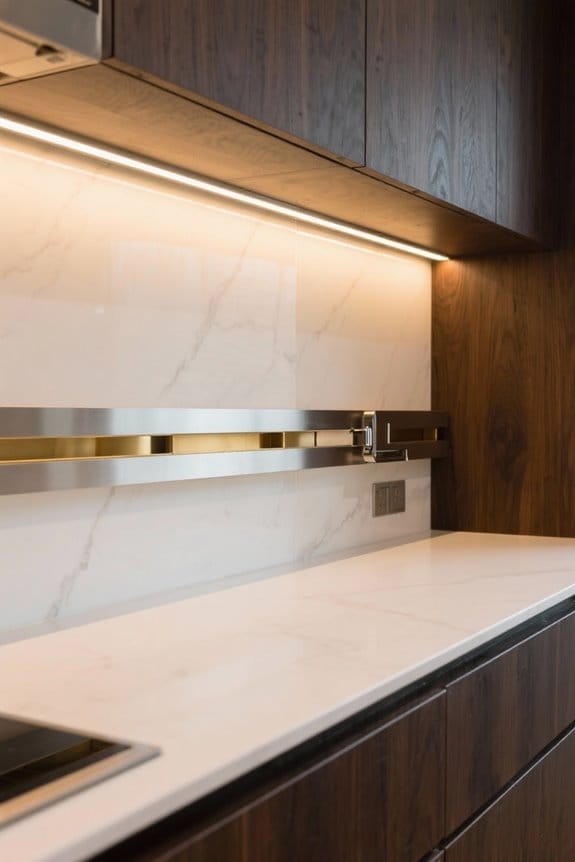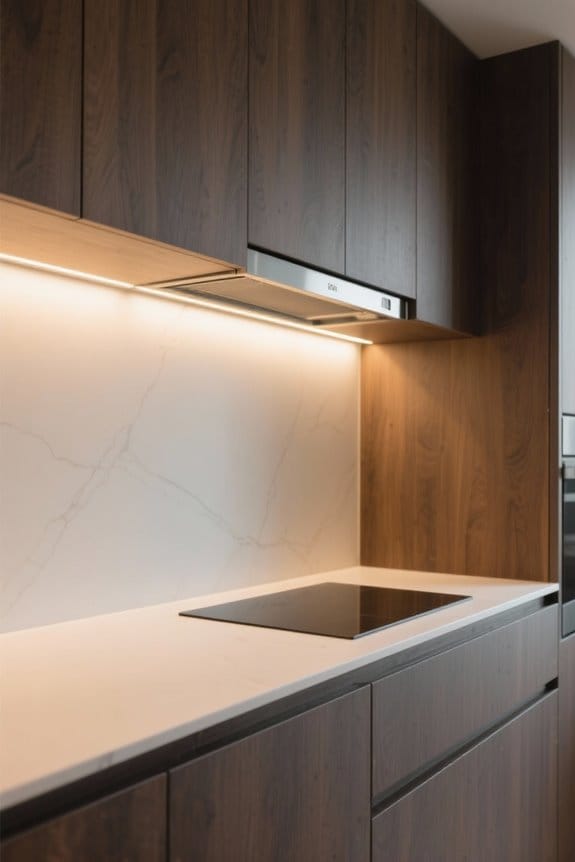
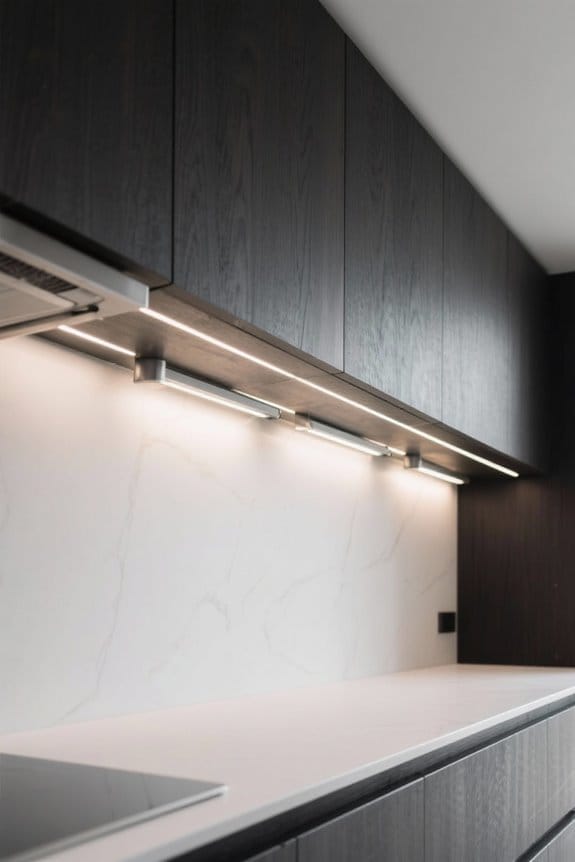

Monochrome palettes capitalize on variations in lightness, saturation, and texture to create depth in design. By layering different shades, such as light blues against deep navy, spaces can feel inviting and dynamic. Complementary materials, like soft textiles paired with sleek metals, enhance visual interest. Key elements, including strategic lighting and textured fabrics, invite exploration and comfort. Embracing these concepts in a room or wardrobe can transform the overall aesthetic, leading to experiences of cohesion and tranquility. Further insights await on maximizing these design principles.
Key Takeaways
- Utilizing varying shades and tints of a single color enhances depth and visual interest in monochrome palettes.
- Natural and artificial light can accentuate the differences in shade, creating dynamic contrasts and layers.
- Textures, such as plush rugs and sleek metals, enrich the color experience and add tactile layers to the design.
- Combining matte and glossy finishes provides visual distinction while maintaining a cohesive monochromatic theme.
- Strategically placed accent colors can serve as focal points, enhancing the overall depth within a monochrome scheme.
Understanding Monochrome Design
Monochrome design serves as a powerful tool for creating visually harmonious spaces, utilizing the subtleties of a single color to establish a cohesive aesthetic. By employing a monochromatic color scheme, designers can manipulate variations in lightness, darkness, and saturation of that chosen color, successfully enhancing depth and visual interest. One effective approach involves layering different shades and textures, which evokes dimension and invites exploration within the space. Selecting materials, like soft fabrics or sleek metals, in unison with the chosen hue further enriches the design, adding an inviting tactile experience. This intentional focus on a unified color reduces visual clutter, creating tranquility and cohesiveness, thereby making monochrome design a beneficial choice for contemporary interiors, appealing to functionality and style alike. For outdoor settings, utilizing energy-efficient lighting options with automatic dusk-to-dawn operation can enhance the monochrome theme by providing consistent illumination that complements the aesthetic.
Benefits of Monochrome Palettes

In contemporary design, the implementation of a monochrome palette offers remarkable benefits that extend beyond mere aesthetics. A monochromatic design simplifies the creative process, providing a cohesive look that reduces overwhelming choices, enabling seamless mixing and matching of elements. This approach enhances visual harmony, promoting unity in spaces, perfect for sophisticated minimalist settings. Moreover, by incorporating varying shades, tones, and textures, designers can create depth and visual interest, allowing for subtle yet dynamic contrasts. Additionally, the emotional responses elicited by specific colors can positively influence moods in both personal and commercial spaces. Finally, monochrome palettes are adaptable across design disciplines, from interior decor to fashion, making them a must-have choice in today’s surging design trends. Recessed lighting options, such as energy-efficient products, contribute to creating a cohesive and sustainable design by offering versatile lighting solutions that complement monochrome palettes.
Key Monochrome Color Combinations

Color combinations can profoundly impact the overall aesthetic and emotional tone of a design. Monochromatic palettes, utilizing various shades, tints, and tones of a single color, offer a harmonious visual experience. Compositions like Oceanic Blues convey tranquility, while Earthy Tones invoke a connection to nature, enhancing spatial perceptions in interior spaces. Graphite Dreams promotes a sense of elegance and professionalism, suitable for corporate branding. By employing a gradient of lighter and darker colors, designers can create depth and layered appearances. Additionally, integrating contrasting textures alongside monochromatic colors enriches the visual intrigue and produces a dynamic effect. Ultimately, selecting the right combination of monochromatic colors can transform a concept from ordinary to extraordinary, making it essential in design projects. LED Rope Lights provide a versatile and energy-efficient solution for enhancing the ambiance with adjustable lighting temperature and modes.
Creating Monochromatic Layers
Creating depth in a monochromatic space requires a thoughtful approach to layering, utilizing a diverse range of shades and textures within the same color family. By incorporating lighter and darker tones, designers can enhance visual interest and add dimension to the environment. Strategic placement of rugs, cushions, and curtains in varying hues not only fosters cohesion but also introduces subtle shifts in color, cultivating a harmonious flow. Additionally, utilizing both natural and artificial light can accentuate these shade variations, transforming space perception. Accessories, such as artwork or decorative elements in complementary shades, can serve as focal points that break monotony, contributing to a rich, layered atmosphere without overwhelming the monochromatic theme. This approach cultivates an engaging, sophisticated design. Incorporating semi flush mount bronze fixtures can add a sophisticated touch to the decor, with options that match various interior styles and enhance room ambiance.
Recommended Products

Part of the Open Air Collection of interior-inspired outdoor-rated chandeliers and pendants designed to expand your indoor environment to exterior living spaces

Nine Light Chandelier from the Luna collection

INGLENOOK CHANDELIER DIMENSIONS: 17.5" High (68.75" Max Adjustable Height) x 47.5" Wide x 16" Long, Weight: 31.86 LBS, Ceiling Canopy: 8.00"W x 4.50"D
The Role of Textures in Monochrome
Textures serve as the foundation for depth and intrigue in monochromatic designs, transforming flat color schemes into vibrant visual experiences. By integrating varying materials, such as soft fabrics, sleek metals, and rough surfaces, designers can successfully create depth and complexity within the same color palette. For instance, combining plush rugs with woven throws not only enhances tactile sensations but also enriches the ambiance of monochromatic rooms. Additionally, using contrasting textures, like matte and glossy finishes, fosters visual distinction while maintaining a cohesive look. The thoughtful incorporation of these elements contributes to a sophisticated aesthetic, ensuring that monochrome spaces remain visually stimulating and engaging. In sum, embracing textures is essential for a dynamic monochromatic design that captivates and impresses. To enhance the aesthetic appeal of a room, consider incorporating elements like bell jar pendant lights to elevate the ambiance and illuminate the space with style.
Recommended Products

Wide Shade: 14-inch glass bell provides bright, focused illumination for kitchen islands, dining tables, hallways, bedrooms, or offices.

Transitional pendant light showcases a warm Lacquered Brass finish paired with an off-white textured fabric shade, delivering a balanced blend of classic elegance and modern simplicity for versatile interior styling

Design: Thoughtfully-designed pendant light fixture featuring an elongated tapered silhouette with riveted details and custom square chain design, perfect for kitchen island lighting or dining room illumination with updated traditional style
Accessorizing Monochrome Spaces
Accessorizing a monochrome space can greatly enhance its visual appeal and depth, transforming a simple color palette into a richly layered environment. To achieve this, incorporate various textures with accessories like knitted throws or velvet cushions, creating depth while maintaining a unified color palette. Adding metallic or reflective elements, such as lamps or picture frames, introduces subtle contrast, enhancing vibrancy without disrupting the monochromatic theme. Colorful artwork or decorative pieces can serve as focal points, drawing the eye and adding dimension. Incorporating plants introduces life and breaks the monotony, while layering different shades of the same color in rugs and throw pillows cultivates an engaging yet cohesive look. Embrace these techniques to accessorize effectively. Consider using dimmable options in lighting to adjust the ambiance and enhance the overall depth of a monochrome space.
Recommended Products

DESIGNER SHOWROOM FABRIC - We Hand Select Our Fabrics From Desinger Showrooms. They are Mostly from US, Italy, Belgium, Turkey, Morocco & Elsewhere. Thomas Collection Gold Throw Pillows, Luxury Taupe Throw Pillow Covers, Throw Pillow Gold, Decorative Pillows Taupe, **You Have Selected >>> 11410 - 26" x 26" Double Sided, Includes Made in US Polyfill Insert

Adorable in appeal, this 100% handmade Grey 26"x26" (65x65 cm) throw pillow cover is carefully crafted from Velvet by professional craftsmen.

TREASURED: Want that priceless smile from your gift recipient knowing that you just gave the perfect gift. This is it. Ideal for all of lifes celebrations: Holidays, Weddings, Graduation, Fall Decor ideas, Mothers Day, Fathers Day, Back-to-School, or simply just because. We guarantee this pillow will bring an avalanche of appreciation.
Monochrome in Fashion Design
Monochrome in fashion design presents a powerful approach to creating a unified and stylish look by utilizing varying shades of a single color. This technique allows designers to craft streamlined outfits that are both chic and sophisticated. Incorporating different textures within the same hue enhances depth, making monochromatic ensembles visually engaging. Celebrities frequently showcase these designs during fashion weeks, highlighting their versatility across seasons. Lighter shades can evoke a fresh, airy feel, while deeper tones convey sophistication and elegance. Accessories should complement the monochrome look, focusing on texture variations to maintain balance and harmony. By thoughtfully selecting variations of a single color, designers can create standout pieces that resonate with contemporary fashion trends and individual expression. By incorporating elements like enhanced brightness using the right lighting, designers can further highlight the textures and layers within monochrome outfits, creating a more dynamic and engaging presentation.
Recommended Products

Canon Genuine Toner produces high-quality, monochrome and color output for all your home and office needs, that you can be proud of.

【Color Mode】It has tens of light colors and flashing modes.★Monochrome mode---Red,Green,Blue,White,Pink,Purple etc.★Polychromatic mode---multicolor change automatically.★Music Mode---Colors glow to the beat of your phone’s music.★DJ Mode---Colors glow to the beat of surrounding music. ★Brightness and flash speed can be adjusted.

Monochrome Applications in Interior Design
Incorporating a monochromatic palette in interior design can transform a space into a cohesive and inviting environment. Monochromatic interior design utilizes variations in lightness and saturation of a single color, creating harmony and serenity. Lighter shades can make rooms appear more spacious, while darker hues add depth and coziness. It is essential to incorporate diverse textures, such as plush fabrics and sleek materials, enhancing visual interest and engagement. To further enrich the design, strategically place accent colors in furniture, artwork, or accessories to create focal points that maintain balance. This thoughtful integration of chromatic elements allows for a refined aesthetic that aligns with the room’s purpose, making monochromatic design both functional and stylish. Additionally, the use of smart lighting, such as energy-efficient bulbs, can contribute to sustainable energy use and customize lighting scenarios to enhance the ambiance.
Recommended Products

KING COMFORTER SET: 3 Piece set includes (1) Comforter (110"x96") and (2) Pillow Shams (21"x34").

Soft & Durable Corduroy Fabric: Upholstered in soft, breathable corduroy fabric that is pleasant to touch and resistant to pilling and fading. This material provides lasting comfort and easy maintenance for daily use.

Size : Queen digitally imprinted 7-piece complete bedding set includes : 1 Comforter:90"x90"(229x229cm),1x Fitted Sheet 60"x80"x16"(155x205x40cm),1x Flat Sheet 102"x90"(260x230cm),2x Pillowcases 20"x30"(51x75cm), 2 Pillow Cover 18"x18"(45x45cm)
Seasonal Adaptations of Monochrome
Shifting the focus from the static elegance of monochromatic designs, seasonal adaptations offer exciting opportunities to infuse freshness into interiors. By adjusting color palettes to reflect different seasons, one can create varied moods and atmospheres. In spring, opting for soft pinks and light greens can evoke an airy feel, while summer benefits from vibrant blues and turquoises that enhance liveliness. Autumn’s deeper burgundy and burnt sienna shades conjure warmth, and winter’s rich navy and slate blue tones reflect tranquility. Incorporating textured materials, like heavier fabrics for winter or light linens for summer, enhances visual depth. Proper lighting adjustments also play a significant role; natural light can elevate soft palettes, while warm ambient lighting enriches deeper hues in the evening.
Communicating Through Monochrome Colors
Colors possess the remarkable ability to convey messages and evoke emotions, making them a powerful tool in design. Monochrome palettes communicate emotional depth by using variations in lightness and saturation of a singular color. Lighter shades may suggest calmness, while darker shades can evoke sophistication. This nuanced approach allows designers to influence viewer perception effectively. By layering different textures and shades, visual interest is enhanced without overwhelming the audience, making monochromatic schemes particularly effective for branding and interiors. In addition, using these colors helps streamline messages and establish focused communication, resulting in a polished appearance. Monochrome designs facilitate storytelling, reinforcing a singular theme that guides emotional responses through well-considered color variations, leading to a unified aesthetic. A well-chosen natural texture like rattan can enhance monochrome palettes by adding warmth and depth to the space.
Trends in Monochrome Design
Monochrome design is experiencing a notable surge in popularity, driven by its ability to establish a calming and professional atmosphere. Designers today are increasingly embracing this trend, utilizing varying shades within a single hue to foster greater depth and visual interest. Seasonal adaptations, from light pastels in summer to rich tones in winter, are redefining monochromatic palettes in fashion and interiors alike. Additionally, incorporating textural diversity enriches monochrome schemes, providing depth and complexity that enhances modern minimalistic designs. Digital tools now facilitate effortless experimentation with these palettes, allowing both novice and experienced designers to select colors and layer them effectively. Consequently, embracing monochrome design not only satisfies aesthetic preferences but also delivers engaging and sophisticated visual experiences. The use of adjustable brightness and dimming features in under cabinet puck lights can further enhance the depth and ambiance in monochrome spaces, offering customizable lighting to suit different moods and settings.
Future Possibilities for Monochromatic Aesthetics
Exploring the horizon of monochromatic aesthetics reveals a landscape ripe with potential for innovative design. Future possibilities center around adaptable monochromatic palettes, enabling designers to experiment boldly with lightness and saturation. With advancements in digital design tools, intricate combinations can tell rich stories through color without overwhelming visual senses. Moreover, the integration of smart technology in interior spaces enhances perceived depth and dimension, offering dynamic ambiance adjustments in real time. Sustainability emerges as a key focus, with brands using monochromatic palettes to convey eco-friendly messages through variations of green or blue tones. Additionally, the rise of virtual reality (VR) and augmented reality (AR) allows for immersive interactions with monochromatic designs, inviting users to experience layered environments like never before.
Frequently Asked Questions
How Does a Monochromatic Color Scheme Create Depth and Interest?
A monochromatic color scheme fosters depth perception by utilizing various shades, tints, and textures, promoting visual harmony. This approach enhances the overall design, creating interest and encouraging movement through layered elements within the same hue.
What Is the 60/30/20 Rule in Decorating?
The 60/30/20 rule in decorating delineates décor dominance: 60% should be a strong shade for furniture placement, 30% for texture contrast in fabrics, and 10% for lively accent colors, creating an enthralling, cohesive look.
How Do You Create a Monochromatic Palette?
To create a monochromatic palette, one should select a base color and incorporate various color nuances, along with texture variety. This approach enhances visual interest while maintaining cohesiveness across the design through careful balance and proportion.
How Can We Create Light and Shade With the Help of Monochrome?
Light and shade dance together in monochrome, creating a symphony of depth. By employing light contrast and shade variation, one can craft spaces that resonate with emotion, inviting viewers to engage and explore their surroundings.