


Beam angles are essential in lighting design, as they dictate light distribution and influence functionality and ambiance. Spot beams, with narrow angles under 45°, provide focused lighting for tasks like accentuating artwork or ensuring safety in search and rescue situations. In contrast, flood beams, with wider angles over 60°, illuminate larger areas, enhancing security and visibility, especially outdoors. Choosing the right beam angle is vital, and understanding these variations is a must-have for effective lighting solutions. More insights await.
Key Takeaways
- Beam angles dictate light distribution, with narrow beams emphasizing focus and wide beams ensuring general illumination.
- Spot beams (<45°) provide concentrated lighting, ideal for applications needing precision, such as accent lighting or search operations.
- Flood beams (≥45°) cover larger areas, effectively minimizing shadows and enhancing visibility for outdoor and security lighting.
- Combining spot and flood beams can create versatile lighting solutions, catering to diverse needs in various settings.
- Optimal lighting design integrates adjustable fixtures and strategic placements, maximizing visibility and aesthetic appeal across spaces.
Understanding Beam Angles
Understanding beam angles is essential for anyone involved in lighting design, as they determine how and where light illuminates a space. These angles measure the distribution of light from a fixture, affecting the intensity and spread. Spot beams, characterized by narrower angles of around 15°, provide focused illumination ideal for task lighting or highlighting specific features. Conversely, wide beams, ranging up to 160°, are useful for general illumination in larger areas, such as living rooms or galleries. Flood lights typically showcase very wide beam angles, creating an expansive light coverage for outdoor spaces or events. Designers must consider these variations, ensuring the right beam angles are utilized to achieve the desired ambiance and functionality in their projects. Drum flush mount lights, with versatile bulb compatibility, often offer dimmable options, allowing for customizable lighting experiences that can cater to different beam angles.
Definition of Spot Beams

Spot beams are defined by their narrow beam angles, typically measuring less than 45 degrees, which allows them to produce a concentrated light output. This focused pattern makes spot beams ideal for precise lighting applications, such as search and rescue operations or high-speed off-road lighting. By projecting concentrated light, spot beams enable users to quickly identify potential hazards, enhancing safety in various terrains. The beam angle means that illumination is directed specifically to targeted areas or objects, minimizing distractions in the surrounding environment. As a result, spot beams are classified as providing distant visibility, making them essential for tasks requiring focused intensity over long distances. Designers should consider spot beams when high precision and clarity are paramount in their lighting solutions. In addition to their focused light output, spot beams can be energy-efficient, especially when integrated with LED technology, thus offering long-lasting performance while reducing energy consumption.
Characteristics of Flood Beams

Flood beams are essential lighting solutions characterized by their wide beam angles, typically measuring 45 degrees or more. This design makes flood beams ideal for illuminating large areas, ensuring broad coverage in various applications. They are particularly effective in outdoor lighting scenarios, such as landscape illumination, parking lot lighting, and enhancing architectural features. By spreading light over expansive surfaces, flood beams greatly reduce shadows, thereby improving safety and visibility in dimly lit environments. Unlike more concentrated spot beams, flood beams deliver diffuse illumination, meeting general lighting needs effectively. Selecting appropriate flood lights can enhance security and aesthetics, making them a must-have for anyone looking to brighten outdoor spaces with impactful, functional lighting designs. Outdoor string lights, with their weather-resistant features, are another excellent option for ensuring year-round durability in outdoor lighting setups.
Differences Between Spot and Flood Beams
When evaluating lighting options, it becomes evident that beam types play a pivotal role in achieving ideal illumination. Spot beams feature a narrow beam angle of less than 45 degrees, which provides highly focused light suitable for highlighting specific objects from greater distances. In contrast, flood beams exhibit a wider beam angle of over 60 degrees, allowing them to illuminate larger areas effectively, thereby reducing shadows. While spot beams are advantageous for long-range visibility in activities such as search and rescue operations, flood beams excel in outdoor settings, illuminating campsites and work areas. For increased versatility, light bars that combine spot and flood characteristics are a must-have, adapting to diverse scenarios and meeting various illumination needs with ease. Ambient lighting solutions, such as the Govee TV Backlight, enhance the viewing experience by immersing users in color-matched lighting that syncs with on-screen action.
Applications of Spot Beams
Illumination needs vary widely across different scenarios, and applications of spot beams demonstrate their indispensable role in providing focused lighting solutions. With a beam angle of less than 45 degrees, spot beams deliver concentrated light, making them essential in search and rescue operations, where quick identification of hazards is vital. They are also effective in outdoor lighting, accentuating landscape features or architectural elements. In off-roading contexts, their narrow beam illuminates narrow pathways and distant objects, enhancing safety during nighttime driving. For high-speed off-road lights, the ability of spot beams to project over long distances allows for significant visibility in challenging conditions. These applications illustrate the must-have utility of spot beams in diverse lighting scenarios, merging functionality with performance. In home settings, motion sensor night lights can employ spot beams to enhance safety, providing targeted illumination in spaces like hallways and staircases.
Recommended Products

Active View Technology - Automatically Change Beam Patterns Based On Vehicle Speed (ADAPT GPS Module Required)
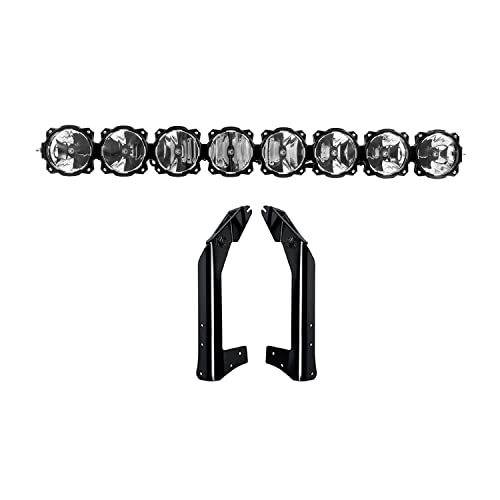
Powered by Gravity LED G6 optical inserts - efficient, powerful, patented

5000K Daylight - Less Driver Fatigue, Natural Color
Uses of Flood Beams
In a variety of lighting applications, the use of flood beams proves invaluable due to their wide beam angles of 45 degrees or more. Flood beams are especially effective in landscape lighting, illuminating gardens and yards while enhancing architectural features. Additionally, they are commonly used in parking lots, providing a broad light spread that guarantees safety and visibility during nighttime hours. These light sources improve security by greatly reducing shadows and potential hiding spots, making spaces safer for patrons and employees. In commercial settings, flood beams facilitate even illumination over work sites or large events, making them versatile for both indoor and outdoor use. Consequently, integrating flood beams into lighting designs is a must-have for modern illumination needs. Many outdoor pendant lights support LED bulbs for energy-efficient lighting, allowing for customizable lighting options based on bulb wattage and type.
Recommended Products
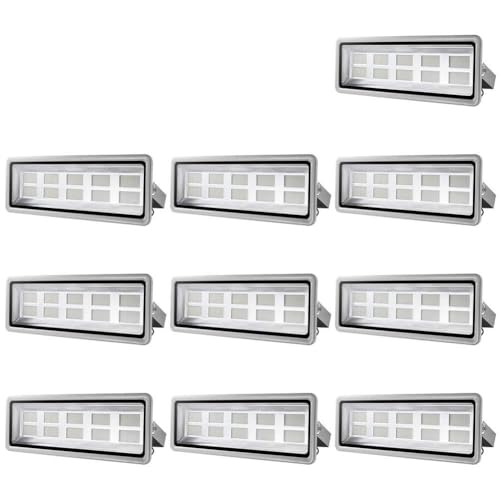
【Super Bright】: High quality outdoor security work lights,110V,1000W 800000 lumens output,120°wide beam angle.Comparing with traditional lights,the LED flood lights energy saving up to 70%,save your money and replacement time!

Super Long Service Time: With an astonishing life rating between 30,000 to 50,000 hours, no maintenance required - just install it and enjoy bright, consistent light for many years.

85% Energy Saving 💡The 600 watt LED stadium light adopt premium SMD and high efficiency optical lens, each lights provide up to 90000 lumens in 5000K bright light, easliy replace 2400W HPS/HM, which save over 85% electricity bill at least.
Landscape Lighting With Spotlights and Flood Lights
Creating an enchanting outdoor landscape requires careful consideration of lighting, particularly when integrating spotlights and flood lights. Landscape spotlights, typically featuring narrow beam angles of 15° to 30°, excel at highlighting specific features such as trees or sculptures. In contrast, flood lights possess wider beam angles, generally exceeding 60°, making them ideal for illuminating larger areas like yards and walkways. By strategically combining spotlights and flood lights, designers can create dynamic contrasts, enhancing visibility while minimizing dark spots. This thoughtful placement not only elevates the aesthetic appeal of outdoor spaces but also improves safety. Consequently, incorporating various fixture styles, such as round head spotlights and rectangular flood lights, proves essential in effective landscape lighting designs. Integrating smart dimmer switches into these lighting setups can further enhance control and customization, allowing users to adjust brightness levels and create personalized lighting scenes.
Recommended Products

Casted using a special k-alloy aluminum that is engineered to withstand the most challenging environments over time. This accent light is factory sealed and water tight with an IP66 rating that provides protection against high-pressure water jets and outdoor elements.

10-PACK OF INTEGRATED LED SPOTLIGHTS - High-performance LEDs produce 500 lumen light output with crisp shadows. Four-step binning ensures consistent warm white 2700K color temperature and longevity. Pre-installed 60-degree optic is ideal for medium-to-wide flood applications.

Traditional, Classic Design & Style: Hinkley's Hardy Island Spot Light provides an opulent lighting fixture in a traditional style, the simple classic design invokes a feeling of familiarity and tradition
Importance of Beam Angles in Interior Lighting
Effective lighting extends beyond outdoor spaces, playing a fundamental role in enhancing interior environments through strategic beam angle choices. Beam angles are vital; they determine how light distributes and is perceived within a room. Narrow beams, ranging from 15° to 30°, serve exceptional purposes for accent or task lighting, directing attention to specific objects or areas. In contrast, wide beams, from 60° to 160°, guarantee ample general illumination, effectively creating an inviting atmosphere. A well-chosen beam angle prevents unwanted shadowy spots, facilitating an airy, cohesive environment. For instance, flood lights excel in illuminating larger areas, while spotlights highlight intricate details, such as artwork or architectural features, making understanding beam angles essential for achieving the desired ambiance and functionality in interior spaces. Many LED recessed downlights, like the HALO 5/6 Inch LED Trim, offer selectable color temperatures and versatile installation options to enhance interior lighting.
Off-Roading Lighting Solutions
Off-roading lighting solutions are essential components for mastering rugged terrains, enabling adventurers to navigate through darkness and unpredictable environments with confidence. Spot beams, which range from 15° to 30°, provide concentrated light ideal for spotting obstacles at a distance, ensuring safety and precision. In contrast, flood beams, boasting angles over 60°, illuminate wider areas effectively, making them perfect for campsites or work sites during off-roading adventures. A combination of these features can be found in versatile light fixtures, allowing users to shift seamlessly between distant and adjacent lighting needs. Durability is also critical, as many off-roading lights utilize robust materials like stainless steel to withstand harsh outdoor conditions, ensuring reliable performance in challenging environments. For maximum efficiency and longevity, Energy Star rated products are recommended as they ensure superior performance and sustainability.
Recommended Products

3-Source LED Optics: Delivers comprehensive lighting coverage - short, mid, and long-range.

3-Source LED Optics: Delivers comprehensive lighting coverage - short, mid, and long-range.
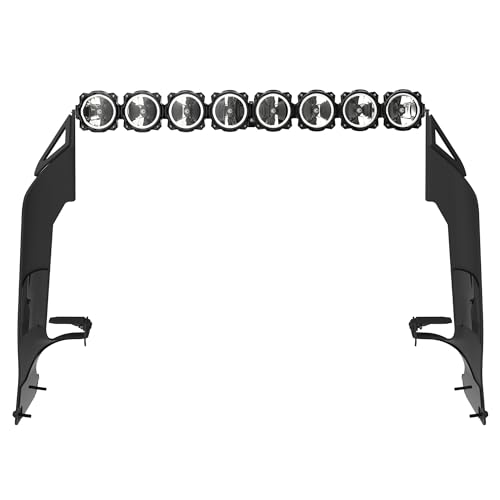
- Specifically engineered for OE Ford Bronco "Accessory Ready" mounting locations
Choosing the Right Beam Angle for Your Needs
When selecting the appropriate beam angle for lighting needs, understanding specific applications becomes essential. Narrow beam angles, such as spot and flood beams between 15° and 30°, are perfect for tasks like illuminating artwork or focused reading areas. In contrast, wide flood angles over 60° are ideal for general illumination, perfect for spacious outdoor settings. A medium beam angle, between 30° and 60°, effectively highlights features in a room without overwhelming brightness. Consequently, when deciding on lighting designs, consider how much light is best for your space. For intimate dining experiences, narrow spotlights are effective, while wide flood lights enhance safety in outdoor areas. Choosing the right beam angle guarantees functional and appealing lighting solutions. When installing smart lighting fixtures, using no-neutral smart switches can simplify the process, especially in older homes lacking neutral wiring.
Recommended Products

✅[ 400W Commercial Grade LED Flood Light ] - This is a 400W LED LED shoebox parking lot Light with an input voltage of 277-480V. It's 400W, super bright 5000K daylight, Equivalent 1500W, 60000 lumens, CRI > 85, TYPEⅢ beam angle. IP65 rated waterproof, suitable for outdoor using during rain, sandstorm, snowstorm, harsh weather conditions

✅[ 44800LM Commercial Grade LED Flood Light ] - This is a 320W LED LED shoebox parking lot Light with an input voltage of 277-480V. It's 320W, super bright 5000K daylight, Equivalent 1200W, 44800 lumens, CRI > 85. Wide application: parking lots, driveway, street, city expressway, trunk/rustic road, factories, playground, school, yard, park, walkway, store, farm, or other outdoor area

✅ Adjustable Wattage & CCT:This 480v LED parking lot light features 3 power modes (320W/240W/200W) and 3 color temps (5000K/4000K/3000K). Select the desired color temperature and brightness to meet your various lighting needs before installation, please!
Tips for Optimal Lighting Design
How can efficient lighting design enhance both functionality and aesthetics in a space? Designers should consider the intended use when selecting beam angles. Wider angles, ranging from 120° to 160°, work well for general illumination, while narrower beams of 15° to 45° are ideal for spotlights focused on specific tasks or artworks. To achieve the best light distribution and reduce shadows, fixtures should be strategically placed to overlap their beams, especially in workspaces and performance areas. For large outdoor settings, utilizing flood lights is essential, whereas spotlights excel at highlighting select features. Incorporating dimmers or adjustable fixtures can enhance ambience, producing dynamic lighting environments tailored to various moods and activities, ultimately improving the overall functionality and aesthetic appeal of a space.
Frequently Asked Questions
Can Beam Angles Affect Energy Consumption of Lighting Fixtures?
Yes, beam angles impact energy efficiency. A narrow beam concentrates light, enhancing lighting distribution and reducing energy consumption, whereas a wide beam disperses light, potentially increasing energy use and affecting fixture lifespan negatively over time.
How Do Beam Angles Influence Color Temperature Perception?
Beam angles particularly influence color perception by altering lighting effects. Narrow beams often intensify brightness levels, enhancing visual warmth, while wider beams may diffuse light, resulting in a cooler appearance and diminishing color clarity.
Are There Adjustable Beam Angle Options Available?
Yes, adjustable fixtures are available, offering various beam angle types. These options enhance outdoor lighting and task lighting, allowing users to customize their illumination for specific applications and maximize effectiveness based on their lighting needs.
What Is the Recommended Beam Angle for Photography Lighting?
In the enchanting dance of photography, a beam angle between 30 to 45 degrees often emerges as the ideal choice. This range skillfully balances ambient lighting with subject highlight, enhancing various photography styles through versatile lighting techniques.
How Do I Calculate the Optimal Beam Angle for My Space?
To calculate the ideal beam angle, one must consider beam angle measurements, evaluate lighting design considerations, assess application specific needs, and conduct a fixture compatibility analysis to guarantee effective light distribution and coverage throughout the space.


