


When selecting electrical fixtures, understanding IP and IK ratings, alongside damp and wet location requirements, is vital for safety. IP ratings indicate protection from moisture and dust, with at least IP67 recommended for submerged areas. IK ratings define impact resistance, important for durability in high-traffic zones. Damp-rated fixtures withstand moisture, while wet-rated fixtures endure direct water exposure. Adhering to these standards guarantees reliable performance and safety in different environments, guiding users toward informed design choices for their installations.
Key Takeaways
- Understand IP ratings to ensure proper protection against dust and moisture, especially in bathrooms and outdoor areas.
- Choose fixtures with at least IP67 for submerged zones and IP44 for moisture-prone areas in residential settings.
- IK ratings indicate impact resistance; select IK10 for high-traffic areas to prevent damage.
- Use damp-rated fixtures for moisture-heavy environments and wet-rated fixtures for areas with direct water contact.
- Always verify both IP and IK ratings for comprehensive safety and functionality in your lighting choices.
Understanding IP Ratings: Significance and Structure
An understanding of IP ratings is vital for selecting safe and effective electrical devices. Defined by the IEC 60529 standard, these ratings categorize Ingress Protection levels, addressing both solids ingress protection and moisture ingress protection. The two-digit format specifies the protection level, with numeric values indicating enhanced resistance. Higher ratings, such as IP68, signify robust defenses against water exposure and dust, making them ideal for outdoor environments. It’s important to take into account these ratings for electrical safety, ensuring devices withstand real-world conditions. For example, products may undergo rigorous testing through drip box systems and spray tests to validate their performance claims. Some designations may include an “X,” guiding users when solids protection is unspecified, empowering informed decisions for various applications. Additionally, wet-rated outdoor lights are designed specifically for wet and damp environments, ensuring durability in harsh weather.
Decoding IK Ratings: Impact Resistance Explained

Impact resistance is a crucial factor when selecting electrical enclosures for environments prone to physical challenges. IK ratings, defined under the IEC 62262 standard, measure an enclosure’s ability to withstand mechanical impacts. These ratings range from IK00, indicating no protection, to IK10, which offers maximum durability against high impacts, such as a force of 20 joules. For most applications, IK07 (2 joules) and IK10 are commonly utilized due to their suitable protection capabilities. It is important to understand IK ratings thoroughly to guarantee the longevity and functionality of electrical equipment. Additionally, consider IP ratings alongside IK ratings; this all-encompassing approach guarantees adequate ingress protection from dust and moisture while addressing mechanical impact resistance, enhancing overall enclosure performance. Adjustable uplight fixtures often feature high CRI bulbs to provide better color accuracy and enhance the aesthetic appeal of illuminated spaces.
Recommended Products

【SAFETY PROTECTION】Safety and Thumder protection for your circuit and electrical devices.. The roof top design and rubber seals on door make it more suitable for outdoor environments
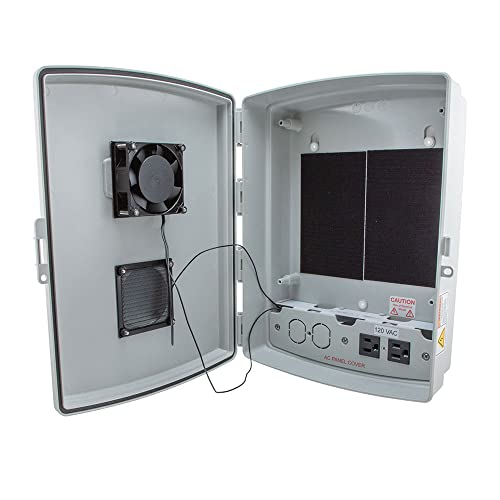
WEATHERPROOF UV STABILIZED: Limiting discoloration or material damage due to sun exposure

Premium Cold-Rolled Steel Construction: Built with 1.2mm high-quality cold-rolled steel for durability, featuring a double-layer NEMA powder-coated and crystal-plated surface to resist deformation
Differentiating Damp and Wet Locations: Definitions and Safety

Understanding the distinctions between damp and wet locations is vital for achieving electrical safety in various environments. Damp locations, such as bathrooms and covered patios, experience moisture condensation but are not directly exposed to water. In contrast, wet locations, like swimming pools and saunas, are consistently affected by direct water contact. Correctly identifying these areas is important; using equipment not rated for these specific environments poses risks, including electrical shocks or short circuits. Damp-rated fixtures can withstand some moisture but should never encounter water directly, while wet-rated fixtures are designed for environments with consistent water exposure. Following safety standards for electrical installations in both damp and wet locations guarantees compliance, preventing failures and promoting user safety. For outdoor environments, shatterproof designs in string lights can enhance durability and reduce burnout risks.
Recommended Products
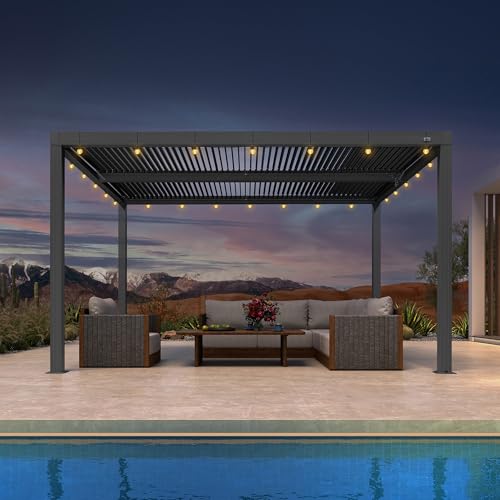
Size: 10' X 13' louvered pergola with 24 clear bulbs outdoor hanging solar lights for 48 ft. You can improve the atmosphere of outdoor activities through 8 lighting remote control at night.

120º beam angle provides even light distribution - perfect for coves and numerous accent Lighting applications

DISCUS OUTDOOR CEILING FAN WITH LIGHT: 20 Watt Integrated LED Light Kit
Applications of IP and IK Ratings in Electrical Installations
When selecting electrical installations for various environments, it is essential to contemplate both IP and IK ratings, as these classifications provide significant guidance for protecting equipment from moisture, dust, and mechanical impacts. Understanding IP ratings helps in identifying appropriate fixtures for damp or wet-rated locations, ensuring safety against water ingress. For instance, residential bathrooms require IP67 for submerged zones and IP44 above tubs. In industrial settings, aiming for higher IP rankings like IP54 or IP65+ safeguards against dust and moisture exposure effectively. Similarly, IK ratings indicate the mechanical impact protection levels necessary for robust electrical enclosures. This enhanced durability is critical for outdoor lighting applications, where moisture exposure and potential impacts are prevalent, allowing for safe, reliable installations in varied environments. It is also important to consider adjustable downlights for customized lighting needs, offering energy efficiency and versatility for various settings.
Recommended Products

Smart Bluetooth 5.0: Scan the QR code on the battery for instant pairing with Litime APP. Monitor real-time SOC, voltage, and current, control discharge, and run system diagnostics directly from your phone for total power system control.

8000W Peak Dual Motor Electric Bike 50MPH Max Speed for Thrilling Rides: Unleash heart-pounding acceleration with dual 4000W peak brushless motors (8000W combined output) and 210N·m torque. Conquer 45° inclines effortlessly and hit 50MPH max in PAS Level 5,perfect for adrenaline-fueled off-road adventures or swift urban commutes. Our smart torque algorithm ensures seamless power delivery across all terrains, so you ride smoothly no matter the surface

3 Wattage Options&3 CCT Selectable - ORRGENA LED Canopy Light with selectable wattage (150/120/90W) delivers up to 21000lm of bright light.The built-in switch also allows for choosing the color temperature of the light, 5700K cool white, 5000K neutral white or 4500K warm white, making the canopy light a perfect fit for different applications.
Choosing the Right Lighting: IP, IK, and Damp/Wet Considerations
Selecting appropriate lighting for various environments requires careful consideration of both IP and IK ratings, along with specific damp and wet location requirements. IP ratings, defined by the International Electrotechnical Commission, indicate solid and liquid protection levels, guiding users to fixtures suitable for unique conditions. For bathrooms, Zone 0 demands fixtures with at least IP67 or IP68, while Zones 1 and 2 require a minimum of IP44 to guarantee moisture protection against water ingress. When exposed to water, prioritize damp-rated fixtures for moisture-heavy areas without direct contact and wet-rated fixtures for locations with direct water exposure. In addition, IK ratings provide impact protection across lighting fixtures, making them resilient in high-traffic areas, thereby enhancing electrical safety and minimizing maintenance concerns. Motion sensor lights offer energy efficiency and durability, making them ideal for securing and illuminating garages.
Recommended Products

【Stepless Dimming & Interior LED Lighting】The lighted medicine cabinet offers adjustable brightness from 10% to 100%, allowing you to customize the lighting to your preference. With a stepless color temperature adjustment ranging from 3000K to 6000K and three-color modes, the LED medicine cabinet ensures optimal lighting for any setting. Additionally, the built-in interior LED light provides extra illumination, making it easy to find your essentials quickly.

ARCHITECTURAL GRADE CONSTRUCTION: Engineered with genuine BLUM 110° soft-close hinges and a rust-proof anodized aluminum frame for a lifetime of silent, smooth operation. This luxury medicine cabinet features copper-free silver mirrors to prevent black-edge oxidation and corrosion, making it a permanent investment for your home renovation.

SUPERB DIMENSIONS: With a simple, timeless design that will blend right into your place of choice, this beautiful vanity style fixture measures 7 x 24.5 x 12 inches. Only 6.2 with a steel frame, it makes a perfect choice for any room in the house!
Frequently Asked Questions
What IP Rating Is Needed for Wet Areas?
Wet areas warrant waterproof ratings of IP67 for immersion and IP65 for splashes. Adhering to safety standards, installation guidelines, and maintenance tips guarantees fixtures meet user requirements while providing corrosion resistance in outdoor applications and electrical codes compliance.
What IP Rating Is Damp Location?
Damp locations typically require a minimum IP rating of IP44, ensuring adequate moisture resistance and fixture durability. This level meets safety regulations for indoor installations and outdoor requirements, aligning with electrical standards and proper zone classifications.
What Is IP and IK Classification?
In the domain of electrical safety, IP classification guarantees weather resistance, while IK classification secures product durability against impacts. These ratings, aligned with international standards, drive consumer awareness and inform choices for outdoor applications and technical specifications.
What Is Considered a Damp Location for Lighting?
Damp locations for lighting include bathrooms, kitchens, and laundry rooms, requiring fixtures designed for humidity. Considerations include safety measures, code requirements, energy efficiency, proper installation guidelines, and maintenance tips to guarantee longevity and functionality.


