


LED drivers are vital for home lighting systems, primarily falling into two categories: constant current and constant voltage. Constant current drivers guarantee stable brightness by delivering a fixed output, ideal for high-power LEDs. Conversely, constant voltage drivers provide steady voltage, making them suitable for applications like LED strip lights. Proper driver selection is significant for safety and performance, as compatibility with LED specifications affects system efficiency. For more targeted advice on choosing the right driver, other considerations await.
Key Takeaways
- Constant current drivers maintain a fixed output current, preventing thermal runaway and ensuring consistent brightness in applications like downlights.
- Constant voltage drivers provide stable DC voltage, making them suitable for simpler setups like LED strip lights shared across multiple LEDs.
- Choose constant current drivers for applications requiring precise brightness control, especially where overheating risks are crucial.
- Constant voltage drivers are easier to install at home, making them ideal for non-specialized installations with shared voltage needs.
- Assess LED specifications and safety features like overcurrent protection when selecting between driver types to optimize performance and lifespan.
Understanding LED Drivers
When understanding LED drivers, it becomes essential to recognize their role in enhancing the performance and longevity of LED systems. LED drivers are important components that regulate the power supply, delivering either constant current or constant voltage to guarantee stable output. Constant current drivers are critical for high-power LEDs, as they maintain a fixed output to prevent thermal runaway and guarantee consistent brightness. On the other hand, constant voltage drivers are ideal for simpler setups like LED strips, allowing multiple LEDs to connect in parallel while receiving the same voltage. Compatibility between LED drivers and LED lights is essential, as mismatched requirements may lead to system failures, compromising both performance and lifespan. Making informed choices is a must-have for effective LED usage. Many smart dimmer switches require a neutral wire for installation, which is an important consideration when integrating with LED systems.
Recommended Products

High Power & Efficiency: The TorqCali HLG-320H-54A is a 320W constant current LED driver delivering a 54V output, ideal for high-power LED lighting systems in horticulture, commercial, and industrial applications. Its high efficiency reduces energy waste and operating costs.


Characteristics of Constant Current and Constant Voltage Drivers

Constant Current and Constant Voltage drivers each exhibit distinct characteristics tailored for specific LED applications, offering unique advantages for designers. Constant current drivers maintain a fixed output current, promoting LED performance stability and reducing risks of thermal runaway, which can compromise brightness consistency. They are well-suited for applications requiring precise current management in series configurations. Conversely, constant voltage drivers deliver stable DC output voltage, facilitating easier installation in parallel configurations where multiple LEDs draw varying currents. However, these drivers necessitate current limiting mechanisms, like resistors, to safeguard against excessive current draw. For example, energy-efficient LED options are recommended for longevity and compatibility with various lighting setups. The choice ultimately hinges on the specific requirements of the LED system, including installation type and desired consistency across brightness levels, enabling designers to make informed decisions.
Recommended Products

Triac Dimmable:Compatible with Forward phase, Magnetic low voltage, Triac Dimmers.For Lutron,Leviton,Legrand,Cooper AH and most Triac dimmer.

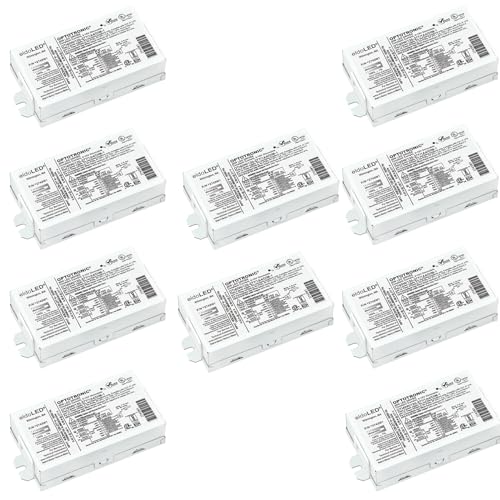
Universal input voltage - 120–277VAC 50/60Hz
Applications and Considerations for LED Drivers

LED drivers serve as an important component in the performance and reliability of lighting systems, influenced by their specific applications and considerations. Constant current LED drivers are particularly suited for applications such as downlights and industrial lighting, where stable brightness is necessary to prevent overheating and guarantee longevity. Conversely, constant voltage LED drivers are ideal for LED strip lights, delivering stable outputs like 12V or 24V, accommodating multiple LEDs sharing voltage yet drawing different currents. It is essential to calculate forward current with constant current drivers to meet LED specifications and avoid thermal runaway. Additionally, for larger installations, constant voltage drivers offer a cost-effective solution while maintaining consistent illumination, benefiting home lighting systems greatly by reducing flickering and enhancing aesthetics. With advancements in smart home systems, LED drivers can now integrate seamlessly with modern technologies to enhance user convenience and control.
Recommended Products
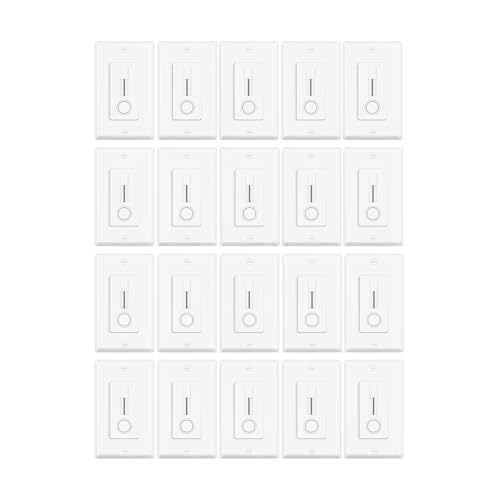
2 in 1 LED Driver and Dimmer Switch: First LED Driver + In-Wall Dimmer Switch in one unit, Simplifies LED installation by eliminating compatibility issues between driver and dimmer; Fits in a standard recessed electrical box

Standard size tent (sleeps 2-3) with high-density 92" x 55" foam double/full mattress and 661 lb. max load

ACHIEVE "LIQUID LIGHT" UNIFORMITY (No Dark Spots): Designed for the high-end stone fabrication. Our high-density matrix allows the led sheet to sit directly behind translucent Onyx, Quartz, or stained glass, creating a seamless, museum-quality 3000K warm white glow without the "dot effect" of traditional strips.
Selecting the Right LED Driver for Your Needs
How can one determine the most suitable LED driver for their specific lighting needs? When selecting the right driver, start by identifying whether your application requires constant current or constant voltage. Constant current drivers are essential for high-power LEDs, ensuring consistent brightness and preventing thermal runaway, making them ideal for downlights and industrial lighting. Conversely, constant voltage drivers suit LED strips or lights wired in parallel, providing stable output, typically 12V or 24V, to power multiple units effectively. Assess compatibility with LED specifications, focusing on wattage and current ratings to avoid mismatched drivers. Finally, prioritize safety features such as overcurrent, overvoltage, and thermal protection to enhance the lifespan and performance of your LED lighting system. When choosing between options, consider the high CRI for accurate color display and dimmable features that allow brightness adjustment based on your needs.
Recommended Products

NVIDIA Ada Lovelace Streaming Multiprocessors: Up to 2x performance and power efficiency

OPENLUX Quality Service: Our AC 277-480V LED parking lot lights proudly carry ETL certification for safety and quality, backed by a 5-year service. Professional technical support is always at your disposal

OPENLUX Quality Service: ETL certified, 5-year replacement, our AC 277-480V LED parking lot lights are renowned for their high quality and unwavering stability, consistent year after
Advantages and Disadvantages of Each Driver Type
When evaluating the advantages and disadvantages of each driver type, one must consider the specific requirements of their lighting projects. Constant voltage LED drivers are typically easier to install, making them suitable for home LED lighting applications like accent lights. However, they may necessitate current limiters, potentially diminishing efficiency. Conversely, constant current LED drivers are vital for high power LEDs, effectively preventing thermal runaway. This capability guarantees consistent brightness and extended lifespan, fundamental for applications like industrial lighting. While a single failure in a constant voltage setup won’t affect others, a failure in a constant current circuit jeopardizes the entire series. Therefore, understanding each driver type’s benefits and drawbacks is important for optimizing an LED setup for consistent performance and reliability. Certain dimmable downlights are compatible with dimmer switches, allowing users to adjust brightness levels and create mood lighting in various spaces.
Recommended Products

5-Year Replacement: The safety and quality of our AC 277-480V LED parking lot lights are proudly ETL certified and come with a 5-year service. Professional technical support is always available for you

[ 5-Year Replacement ]: The safety and quality of our LED parking lot lights are proudly ETL certified and come with a 5-year service. Professional technical support is always available for you

Solid aluminum construction with an acrylic diffuser for maximum brightness and even illumination. The height and slope of each pendant can be individually adjusted for a personalized creative display.
Frequently Asked Questions
Do I Need a Constant Voltage or Constant Current LED Driver?
To determine the need for an LED driver, assess home lighting requirements, focusing on driver compatibility and voltage specifications. Consider current ratings and efficiency factors, balancing installation tips, cost considerations, and safety guidelines for peak performance.
When to Use Constant Current Vs Constant Voltage?
In the domain of LED applications, selecting between constant current and voltage hinges on load characteristics and installation tips. Current regulation guarantees efficiency, while voltage stability aids circuit design, enhancing dimming capabilities and thermal management during operation.
How to Tell if a Driver Is Constant Current or Constant Voltage?
To identify a driver’s type, examine driver characteristics like LED specifications and power outputs. Constant current drivers demonstrate current regulation, while constant voltage drivers maintain voltage ratings, impacting overall lighting efficiency and circuit design compatibility.
How to Choose a Constant Current LED Driver?
Choosing a constant current LED driver is like selecting a sturdy bridge; one must consider driver types, current specifications, voltage levels, efficiency, dimming capabilities, circuit protection, compatibility, installation factors, and performance stability for ideal lighting applications.


