


Flicker and stroboscopic effects are often caused by improper lighting design and ripple voltage injection. These issues negatively impact visual comfort and lighting quality. PstLM and SVM metrics gauge flicker levels, with ideal values being PstLM ≤1.0 and SVM ≤0.4. High-quality LED drivers are essential in minimizing these artifacts. Maintaining brighter settings and employing digital dimming methods can also enhance lighting performance. Understanding these factors will enable smarter design choices, leading to improved results in lighting projects. Exploring further will provide deeper insights.
Key Takeaways
- Stroboscopic effects from flickering can lead to visual discomfort, particularly in environments with fast-moving objects.
- Ripple voltage injection significantly affects LED performance, contributing to flickering at specific frequency ranges.
- Poor-quality LED drivers and dimmers are common sources of flicker in LED lighting systems.
- Employing high-quality drivers and proper dimming methods can help mitigate flickering issues effectively.
- Regular testing of LED combinations is essential to identify and reduce sources of flicker in lighting designs.
Understanding Temporal Light Artifacts (TLA)
Understanding Temporal Light Artifacts (TLA) is crucial for anyone involved in modern lighting design, as these phenomena can considerably impact visual comfort and functionality. TLA, which includes flicker and stroboscopic effects, creates significant visual disturbances that can lead to discomfort and headaches. Visible flicker is particularly common in older fluorescent lights and certain LED lighting systems, influenced by current output ripple. Designers must note the maximum allowable levels for PstLM (Flicker) at ≤1.0 and SVM (Stroboscopic Effect) at ≤0.4 for peak performance. By accurately measuring and mitigating TLA, lighting professionals can enhance quality, improve user experience, and guarantee compliance with industry standards. Furthermore, selecting dimmable LED bulbs with proper dimmer compatibility can help reduce flicker and enhance lighting performance. Consequently, understanding TLA is a must-have for effective lighting design choices.
The Role of PstLM and SVM in Flicker Evaluation

While some might overlook the importance of flicker measurements, PstLM and SVM play vital roles in gauging lighting quality. PstLM, which should ideally be ≤1.0 for LED lighting, directly impacts the perception of flicker while enhancing visual comfort. Meanwhile, SVM must remain ≤0.4 during 100% load testing to minimize noticeable stroboscopic effects, particularly during dimming scenarios. Both metrics consider the frequency, object speed, and human visual sensitivity, aiming for optimal lighting performance. By accurately evaluating PstLM and SVM, designers can effectively reduce Temporal Light Artifacts, thereby improving overall lighting quality. Compliance with regulations on flicker measurements is essential, ensuring a better illuminated environment and comfort for users, making these metrics critical in today’s design practices. Motion sensor switches, such as the Lutron Maestro Motion Sensor Light Switch, provide hands-free operation and energy efficiency, further enhancing user convenience and home automation.
Recommended Products

A occupancy sensor designed to replace standard light or fan switches; Ideal for high mounted areas such as warehouses and manufacturing and other commercial spaces.

【Automatic Energy-Saving 】This motion sensor light switch (also motion activated) turns lights on when you enter and off when you leave—no more forgotten lights or wasted electricity. As a reliable occupancy sensor switch, it cuts energy bills and works well in bathrooms, garages, laundry rooms, and closets.

Leviton's IPS02 Universal Room and Occupancy Sensor combines cutting-edge technology with a new aesthetic to provide optimal control of lighting and motor loads, allowing you to choose either a manual on (air conditioning sensor) or auto-on (occupancy sensor) switching
Measuring and Mitigating Flicker in LED Lighting

Measuring and mitigating flicker in LED lighting is crucial for optimizing visual comfort and guaranteeing compliance with industry standards. Flicker, primarily caused by poor-quality LED drivers and dimmers, can lead to distracting stroboscopic effects. To effectively measure flicker, specialized devices from suppliers like visosystems.com and uprtek.com, capable of addressing power supply ripple and voltage variations, are essential. Utilizing high-quality driver chips reduces flicker considerably, especially during dimming. Implementing advanced digital dimming techniques is a must-have for enhancing performance in smart lighting products. Attention must be paid to maintaining acceptable flash frequency levels, as measurements should aim for Percent Short-term Light Modulation (PstLM) ≤1.0 and Stroboscopic Visibility Measure (SVM) ≤0.4 under full load conditions, to guarantee comfort and visual stability. Installing smart dimmer switches can also contribute to reducing flicker by providing adjustable brightness and compatibility with various bulb types.
Recommended Products

[ Upgraded HIGH BAY LIGHT ] - 2025 new technology + constant current driver + high efficacy chip + increased heat sink, from every detail to give you the best lighting effect, professional R & D team designed for industrial-grade commercial-grade places
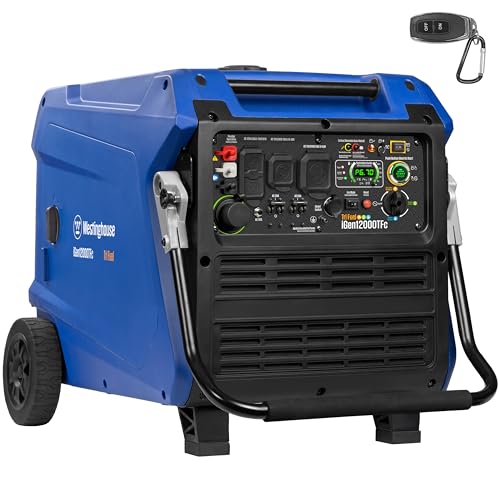
HOME BACKUP POWER, ≤3% THD: The Westinghouse iGen12000TFc tri fuel inverter generator provides whole home backup power that's safe for sensitive electronics; It also has a 50A outlet; Gasoline: 12,000W peak/9,000W running; Propane: 11,000W peak/8,100W running; Natural gas: 9,800W peak/7,200W running

OPENLUX Only Make High-Quality: Our LED post top light is ETL listed made of SMD3030 LED chips; High-end driver; heavy-duty aluminum, anti-shock, anti-moisture, no glare, no strobe light, no buzzing, protecting your eyes; 5-year engineer support service
The Impact of Ripple Voltage Injection on LED Performance
Ripple voltage injection plays a significant role in the performance of LED lighting, as it operates within specified frequencies ranging from 167Hz to 1050Hz. This method can lead to flickering and stroboscopic effects, particularly as LED technology becomes more popular. The compatibility of various LED systems with ripple voltage varies; some combinations of LED chips and drivers are more prone to ripple-induced flickering. Many no-neutral smart switches are generally suitable for LED installations, but it is important to ensure wattage compatibility and check manufacturer recommendations for optimal performance. This flickering can occur at consistent times, causing temporary disruptions in light quality. To mitigate these issues, it is essential to test different LED driver combinations. Additionally, using a Zellweger tone filter, when tuned correctly, is a must-have solution for improving performance and ensuring smooth dimming without detrimental ripple effects.
Identifying Flicker in LED Lights: Techniques and Tools
Identifying flicker in LED lights is crucial for guaranteeing ideal lighting quality, especially in environments where consistent illumination is necessary. One effective method to detect flicker is to capture photos or videos using a mobile phone, as fluctuations might escape the naked eye. However, professional testing instruments are critical for analyzing the spectrum of LED lamps, allowing users to measure flicker frequencies accurately. It is essential to regard the critical flicker frequency, which typically lies below 80 Hz for most individuals. Employing techniques such as Fourier Transform helps break down optical waveforms into frequency components, aiding in identifying flicker sources. LED recessed downlights offer customizable lighting options and flicker-free dimming, enhancing the lighting experience. This thorough approach guarantees a thorough evaluation of flicker in LED lighting systems, allowing users to achieve the best lighting experience.
Recommended Products

1.5kVA 1.2kW Uninterruptible Power Supply (UPS) with true online operation, pure sine wave output, expandable runtime and hot-swap batteries

Low Energy High Brightness: Outstanding 145 LM/W provides 34,800 lumen output. The LED module is a perfect replacement for 1000W traditional light, brighter and more than 90% energy saving.80+ CRI 5000K daylight for bright outdoor large area lighting
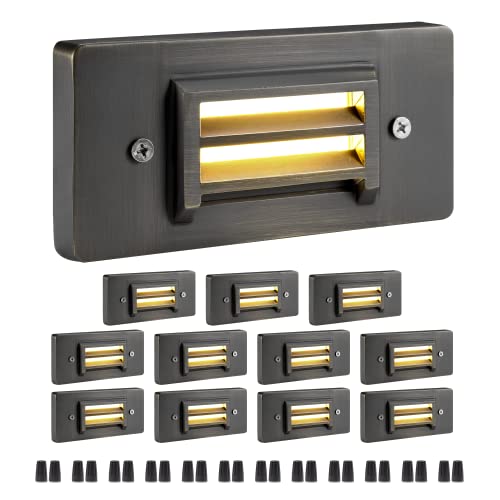
Solid Brass Construction - The Gardenreet landscape step light with solid die-cast brass construction is more durable and reliable than aluminum and plastic fixtures; with a beautiful bronze finish, deck lights will not rust, age, or peel over time and last a lifetime with a single installation.
Recommendations for Reducing Flicker in LED Lamps
To effectively reduce flicker in LED lamps, careful attention must be paid to several key factors influencing performance. First, selecting high-quality LED drivers is essential, as they minimize flickering light by reducing voltage and current output ripple. In addition, avoiding extremely low brightness settings can help prevent the stroboscopic effect that often disrupts visual comfort. Employing digital dimming methods enhances compatibility with various systems, offering lower flicker levels overall. Additionally, testing different LED driver and LED combinations in controlled environments will identify compatible systems and alleviate flickering issues. Finally, incorporating appropriate Zellweger tone filters, specifically tuned to 750Hz or 1050Hz, effectively mitigates ripple voltage impacts on LED performance, ensuring a stable and flicker-free lighting experience. Furthermore, dimmable LED floor lamps are an energy-efficient choice, offering up to 90% electricity savings compared to traditional lighting options, while also providing customizable brightness and color temperature for various settings.
Recommended Products

5 Color Selectable: The 2x4 LED flat panel light feature a toggle switch to select in 5 color temperatures: 3000K/4000K/5000/5700K/6500K. Customize your lighting preference before installation with 5 colors in one light.

Powerful 155W Dual Light & Super Large Illuminated - Honeywell 77.4'' standing lamp with double light source for optimal brightness. The 3376LM direct light, at a comfortable 4000K color temperature, provides natural and even illumination, thanks to micro-prism diffusers. Meanwhile, the 12624LM indirect light reflects off the ceiling to ensure consistent brightness throughout the room, minimizing eye strain and maintaining a pleasant ambiance. Whether for reading, working, or relaxing, this lamp creates the perfect lighting for any setting.

【 Ultra-Bright Outdoor Lighting for Parties & Gatherings】Equipped with 240 bright 5054 type LEDs and a 118-inch pole, this solar post light delivers 50000 lumens to illuminate up to 3500 sq.ft. It creates a vibrant, welcoming ambiance for patios, backyards, BBQs, and evening events, making it the ideal all-in-one solution for unforgettable outdoor celebrations.
Frequently Asked Questions
What Is the Difference Between Flicker and Strobe?
In a dimly lit gym, flicker perception causes discomfort, while strobe effects create disjointed motion visuals. Different light frequencies lead to varied neurological responses, impacting visual safety, flicker sensitivity, and overall health implications for users.
Is Flicker Vertigo Serious?
Flicker vertigo can be serious, causing debilitating flicker symptoms, visual disturbances, and stress responses, especially in those with light sensitivity or migraine triggers. Awareness campaigns and preventive measures are essential for effective treatment options and environmental adjustments.
Why Is My Light Flickering Like a Strobe Light?
Flickering lights resembling a strobe effect can arise from causes like poor LED drivers, faulty dimmer switches, electrical issues, or power surges. Specific bulb types also contribute to unwanted LED flicker and subsequent visual disturbances.
What Do Brain Cells Flicker Mean?
Brain cell flickering indicates neural oscillations essential for brain activity and cell signaling. These flickering neurons impact visual processing, sensory perception, and cognitive function, influencing attention mechanisms while abnormal patterns can elevate epilepsy risk.


