
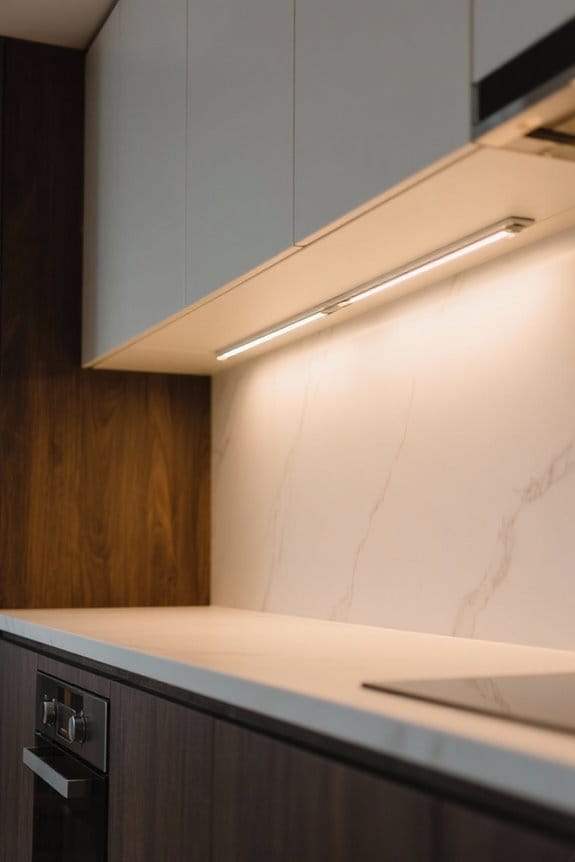

Diffusion and prismatic lenses serve distinct purposes in lighting design. Diffusion lenses soften light, providing even illumination ideal for offices and classrooms. They reduce glare and enhance color representation. In contrast, prismatic lenses enhance beam width, making them suitable for high-ceiling spaces like retail stores and kitchens. These lenses are effective for broader visibility but may struggle with uniform light distribution. Each lens type has unique applications, and understanding their features is essential for ideal lighting solutions. More insights await.
Key Takeaways
- Diffusion lenses create a soft, even light ideal for low-contrast environments like offices and classrooms, enhancing aesthetics and comfort.
- Prismatic lenses offer a wider beam spread, beneficial for high-ceiling spaces such as retail stores and kitchens requiring broad illumination.
- Frosted lenses are effective for minimizing glare and ensuring consistent highlights, making them suitable for portrait photography and commercial uses.
- Prismatic lenses, while flexible and broadening light dispersion, may lack uniformity compared to diffusion lenses, which prioritize smooth light flow.
- The choice between diffusion and prismatic lenses hinges on specific lighting needs and environmental contexts, balancing softness and efficiency.
Understanding Diffusion Lenses

Diffusion lenses serve a critical role in modern lighting design by softening the light emitted from various sources. These lenses, commonly crafted from materials like frosted glass or polycarbonate, are essential for creating a smooth light flow, effectively softening the edges and reducing contrast. By employing diffusion filters, harsh lighting is transformed into a gentle glow, ideal for environments such as offices and classrooms where even, low-glare lighting is preferred. The consistent gradient provided by frosted lenses aids in light blending capabilities, which is particularly beneficial for multiple light sources. In applications involving RGBW lighting, these lenses enhance color mixing and improve overall lighting quality, making them a must-have for contemporary design requirements. Additionally, diffusion lenses can significantly enhance the Color Rendering Index (CRI) of lighting fixtures, ensuring more vibrant and true-to-life color representation in illuminated spaces.
Characteristics of Prismatic Lenses

Prismatic lenses are essential tools in lighting design, particularly well-suited for areas requiring effective light dispersion. These lenses incorporate tiny prisms that widen and soften the light beam, which leads to efficient distribution across a broad area. This characteristic makes them particularly effective in environments with high ceilings, such as retail stores and kitchens. Unlike frosted lenses, prismatic lenses provide a pronounced widening effect, although they may struggle to achieve a uniform gradient of light. The uneven distribution can create distinct visual effects, ideal for both artistic and functional applications. Remarkably, prismatic lenses are constructed from durable polycarbonate, ensuring safety in spaces where individuals are present below fixtures, making them a reliable choice for various lighting designs. Outdoor pendant lights support LED bulbs for energy efficiency, reinforcing the importance of bulb compatibility in lighting setups.
Recommended Products

EXTREMELY BRIGHT - Our 1200W stadium lights produce up to 168,000 lumens with high efficacy of 150 lumens per watt. Beam angle of 30°, designed to replace 4800 watt metal halide sport light. Bring great light coverage and save up to 85% bills.

Top Rated Commercial-Grade Selectable LED Wall Pack Light with Dusk-to-Dawn Feature
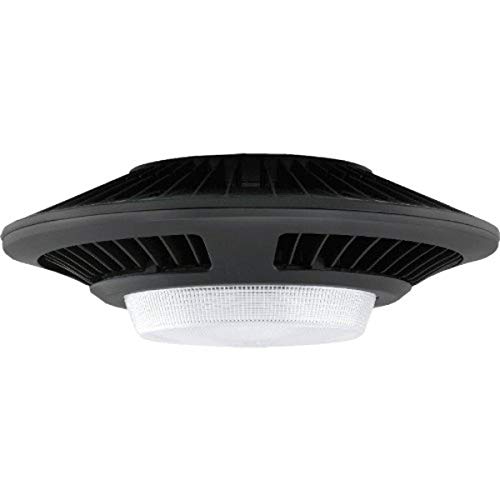
Rab Lighting GLED78 GARAGE CEILING 78W COOL LED W/ PRISMATIC LENS BRONZE
Applications of Diffusion Lenses

In commercial lighting design, selecting the right type of lens can profoundly influence the ambiance and functionality of a space. Diffusion lenses, particularly frosted types, are widely celebrated for their effectiveness in creating comfortable environments. A common use of these modern lenses is in offices, schools, and lobbies, where consistent and even light is essential. They excel in low-ceiling settings by softening light while minimizing disruption from fixtures. In educational spaces, such as classrooms and libraries, diffusion lenses foster a non-distracting atmosphere, enhancing learning experiences. Additionally, these lenses improve aesthetics in reception areas, offering softer lighting that is inviting and less straining on the eyes. Their balanced light output makes them ideal for auditoriums, accommodating various events efficiently. Some smart dimmer switches, like the Lutron Caseta Kit, are compatible with diffusion lenses and do not require a neutral wire, making them suitable for a wide range of installations.
Recommended Products

【 Smooth Dimming and High Energy Efficiency 】2x4 Led Flat Panel Light compatible 0-10V universal dimmers for 0%-100% seamless brightness adjustment.Powered by high efficiency LED chips and drivers,delivers 133lm/W output with 9576LM brightness will save you 85% percent of power consumption and save electricity bills.

Traditional, Classic Design & Style: Hinkley's Hardy Island Spot Light provides an opulent lighting fixture in a traditional style, the simple classic design invokes a feeling of familiarity and tradition
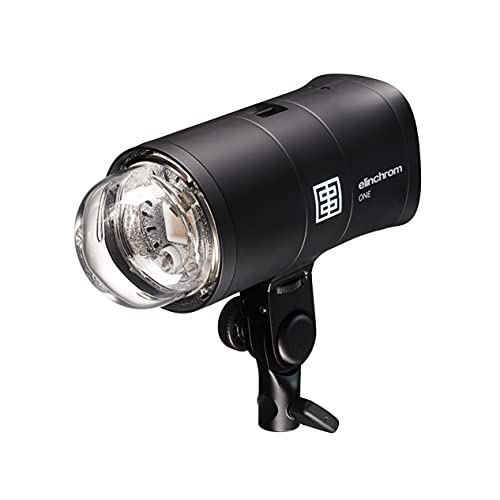
KEEP A LOW PROFILE - Add the versatility of an off-camera flash with light shaping capabilities to any kit while maintaining a minimal footprint with the Elinchrom ONE. Weighing only 3.3 lbs (1.5kg) and similar in size 70-200mm lens, the ONE is ready to travel with you anywhere and everywhere.
Best Use Cases for Prismatic Lenses
Selecting the appropriate lens type greatly impacts lighting efficacy, especially in commercial environments. Prismatic lenses excel in spaces requiring wide-open beams of light, markedly enhancing visibility while reducing shadows. They are widely adopted in retail spaces, where they guarantee consistent illumination and effectively highlight products, making them must-have fixtures. In commercial kitchens, these lenses provide broad illumination for safety and efficiency, essential in food preparation areas. Additionally, prismatic lenses contribute to landscape lighting by spreading light evenly, enhancing both aesthetics and safety in outdoor environments. Choose prismatic lenses for any application that demands a larger beam spread, guaranteeing ideal lighting from various light sources while creating a bright, welcoming atmosphere. Smart LED Strip Lights offer versatile lighting solutions with RGB+WW+CW technology and voice control integration, making them an excellent option for dynamic and energy-efficient lighting setups.
Recommended Products
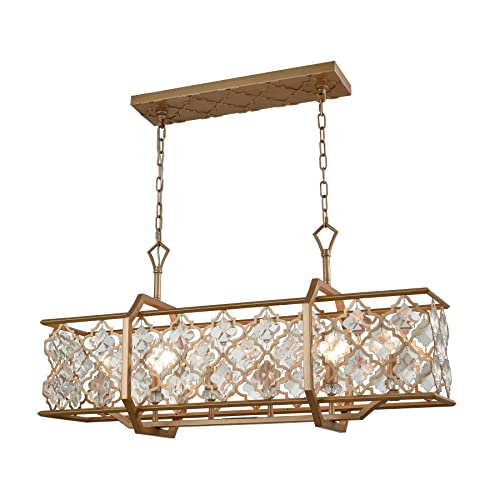
Product Dimensions: 35" Width x 12" Depth x 18" Height

28" wide x 29 1/2" high. Canopy is 5 1/4" wide. Weighs 10.5 lbs.

Product Dimensions: 20" Width x 20" Depth x 21" Height
Light Diffusion Mechanisms
Light diffusion mechanisms are critical in determining how light interacts with various environments, influencing both aesthetics and functionality. Frosted lenses achieve a soothing softness by gradually dispersing light from the center to the edges, making them ideal for spaces where glare must be minimized, such as offices and classrooms. In contrast, prismatic lenses employ a network of tiny prisms, enhancing efficiency by producing a wider, albeit less uniform light distribution. This flexibility allows prismatic lenses to effectively illuminate high-ceiling commercial spaces. Both lens types are designed to manage glare, with frosted lenses prioritizing a softening effect, while prismatic lenses cater to broader illumination needs. The choice of light diffusion mechanisms consequently plays a pivotal role in achieving the desired lighting effects. High bay LED lights often feature adjustable color temperatures, which can improve visibility and reduce eye strain in various environments.
Material Safety in Lens Manufacturing
Material safety in lens manufacturing is a primary concern for designers and manufacturers, particularly in environments where safety and functionality intersect. The use of polycarbonate lenses is essential, as they are lightweight yet offer high impact resistance, considerably reducing the risk of injury in commercial or educational settings. When individuals are positioned below fixtures, the chance of accidents declines with these durable materials. It is important to adhere to established safety standards while selecting lens designs, ensuring that both frosted and prismatic options provide necessary protection without compromising efficiency. Therefore, stakeholders must prioritize material safety, considering how polycarbonate lenses can enhance overall safety in various applications, making them a must-have for responsible lens manufacturing decisions. Additionally, matte black vanity lights are chosen for their modern aesthetics and durability, further enhancing the safety and style of spaces.
Comparing Softness and Efficiency
When considering the effectiveness of lens design in illumination, a clear distinction arises between frosted and prismatic lenses, particularly in their approach to softness and efficiency. Frosted lenses are known for their softening capabilities; they create a consistent gradient from the center to the edges, ideal for spaces like offices and classrooms that require even lighting. Conversely, prismatic lenses provide pronounced beam widening, enhancing flexibility in lighting applications such as retail and commercial kitchens. While both types control glare efficiently, the choice between them largely depends on the intended use. A key factor to consider is the brightness and lumens output of the lighting, as this impacts the overall effectiveness and suitability for specific environments. Therefore, understanding this balance is essential for selecting the right lens, enabling designers to cater thoughtfully to varying illumination needs and preferences across different environments.
Recommendations for Filmmakers and Photographers
Selecting the right lens can greatly impact the quality of work for filmmakers and photographers. Frosted lenses are a must-have for those seeking even lighting and minimal glare, making them perfect for portrait shoots and commercial settings. They excel at creating a soft light shift, guaranteeing consistent highlights and shadow details. On the other hand, prismatic lenses are ideal in high-ceiling environments, providing flexibility for wider light distributions. They shine in retail spaces and landscape lighting, enhancing visibility across larger areas. Both lens types, especially when crafted from polycarbonate, assure safety in various spaces, reducing the risk of injury. Weather-resistant features in decorative patio lights, such as IP44 or higher waterproof ratings, ensure durability and long-lasting performance outdoors. Ultimately, the decision hinges on the desired lighting effect and venue, guiding effective and informed choices in production planning.
Recommended Products

XB Evo: Much more than a design refresh, these headlights showcase Morimoto's commitment to technology, compliance, quality, styling, and performance for serious enthusiasts.

XB Evo: Much more than a design refresh, these headlights showcase Morimoto's commitment to technology, compliance, quality, styling, and performance for serious enthusiasts.

XB Evo: Much more than a design refresh, these headlights showcase Morimoto's commitment to technology, compliance, quality, styling, and performance for serious enthusiasts.
Alternatives to Diffusion and Prismatic Lenses
Numerous alternatives exist for achieving desired lighting effects without relying solely on diffusion and prismatic lenses. Clear lenses are popular, as they maintain original beam characteristics without softening edges, making them an excellent choice for precision tasks. Additionally, solite lenses can slightly reduce beam punch while providing limited diffusion. For broader light distribution, large pebble lenses can substitute prismatic options, offering larger spreads and softer edges compared to solite variations. Instead of using traditional diffusion filters, lightly frosted films can create softening effects without significant bulk. Some flush mount designs work well in rooms with lower ceilings, maintaining an elegant look without sacrificing functionality. In certain landscape applications, strategically placed baffles or reflective surfaces prove effective for light diffusion, enhancing visibility and maintaining brightness without using heavy lens systems. These options cater to diverse lighting needs.
Recommended Products

✅ THICKER, MORE DURABLE: Made from non-yellowing, shatter-resistant acrylic, these frosted acrylic sheet cut to size ceiling light covers feature a sturdy 0.080" thickness—built for clarity, safety, and long-lasting performance.

Energy conservation: The film helps reduce heat loss from the greenhouse, minimizing the need for additional heating during winter. By retaining heat more effectively, it can significantly lower energy costs associated with greenhouse heating. This is particularly important in regions with colder climates where heating expenses can be substantial. The dimensions of this product are 16' x 150'.

Energy conservation: The film helps reduce heat loss from the greenhouse, minimizing the need for additional heating during winter. By retaining heat more effectively, it can significantly lower energy costs associated with greenhouse heating. This is particularly important in regions with colder climates where heating expenses can be substantial.
Frequently Asked Questions
What Is a Diffusion Lens?
A diffusion lens, surprisingly, softens harsh light using advanced light scattering techniques. Constructed from robust materials like frosted glass, it excels in various diffusion applications, ensuring even illumination in office spaces and eliminating glare effectively.
What Is a Diffusing Lens?
A diffusing lens is designed to scatter light, providing a soft illumination by altering the focal length. Made from materials like glass or polycarbonate, it effectively diminishes glare while enhancing uniformity in lighting applications.
How Do I Know if My Lens Is Soft or Hard?
In a world where photographers wield their tools like knights, one can identify a lens’s characteristics through comparisons of its performance: soft lenses offer gentle blurring, while hard lenses boast sharpness and contrast in images.
What Is the Difference Between Frosted and Diffused Lenses?
Frosted lenses provide a smoother light scattering effect and enhance image clarity with uniform brightness, while diffused lenses can vary considerably in scattering properties, potentially affecting both the softness of light and visual quality.


