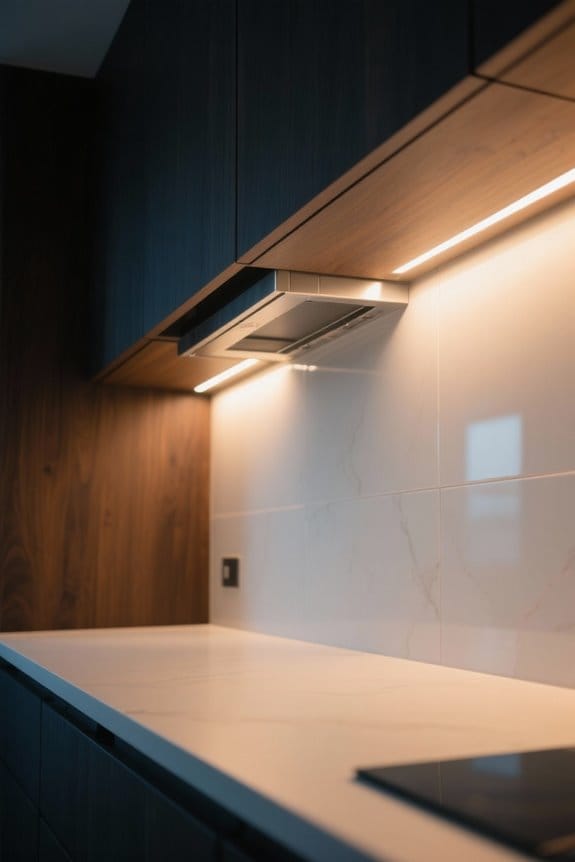


Vertical illumination substantially shapes perception by enhancing wall brightness, which directly influences mood and atmosphere. Bright walls create a sense of openness and cheerfulness, promoting safety and comfort. Techniques like wall washing and grazing light highlight textures and architectural features. These methods enhance color perception, making hues appear more vibrant. Effective lighting design, utilizing energy-efficient bulbs, allows for versatile control over brightness and contrast. This knowledge forms the foundation for creating compelling and immersive spaces that captivate occupants. Exploring further reveals more strategies to enhance your designs.
Key Takeaways
- Vertical illumination improves wall brightness, creating an open atmosphere and enhancing spatial perception.
- Enhanced brightness on walls boosts visual comfort and encourages positive emotional states such as cheerfulness.
- Well-lit vertical surfaces foster feelings of safety and security, impacting occupants’ overall mood.
- Effective lighting techniques enhance color perception, making hues appear more vibrant against lighter wall backgrounds.
- Strategic contrast in vertical illumination creates dynamic experiences and accentuates architectural details, enriching overall visual appeal.
The Impact of Vertical Illumination on Spatial Perception
While vertical illumination plays an important role in shaping spatial perception, it is essential to understand how its strategic application can transform environments. Vertical illuminance markedly enhances wall brightness, creating a sense of openness and volume in spaces. By focusing on well-distributed brightness distribution on vertical surfaces, occupants experience improved visual comfort, as reduced luminance contrasts facilitate easier navigation and interaction with surroundings. Additionally, architectural lighting techniques can emphasize materials and facade patterns, adding depth and intrigue. This conscious use of light accentuates the properties of light while affecting the overall atmosphere, influencing both internal experiences and external perceptions, especially at night. Consequently, effective vertical illuminance becomes a must-have component in achieving cohesive and engaging design outcomes. A well-chosen LED accent lighting strip, such as the Govee RGBIC LED Strip Lights, can provide customizable options for creating immersive environments while maintaining energy efficiency.
How Brightness Affects Mood and Atmosphere
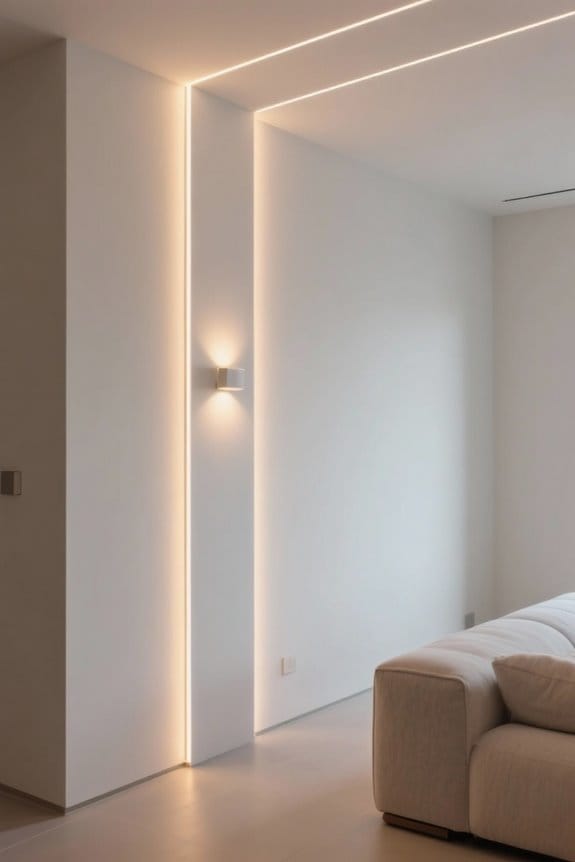
Brightness, an essential element of interior design, profoundly influences mood and atmosphere within a space. Higher levels of brightness are associated with feelings of cheerfulness and energy, making environments more inviting. Utilizing wall-washing techniques enhances wall brightness, positively affecting emotional impact by creating visual comfort and a sense of openness. Moreover, well-lit vertical surfaces improve spatial perception, evoking feelings of safety and security that contribute to overall well-being. However, poorly controlled brightness, such as excessive glare from luminaires, can cause discomfort and stress, negatively impacting the emotional atmosphere of the space. Consequently, designers should aim for balanced high illuminance that fosters visual comfort while maintaining an inviting ambiance, promoting positive social interactions and occupant satisfaction. For those seeking to automate lighting in older homes without neutral wiring, no-neutral smart switches offer a simplified installation process, enhancing convenience and energy efficiency.
The Relationship Between Wall Brightness and Color Perception
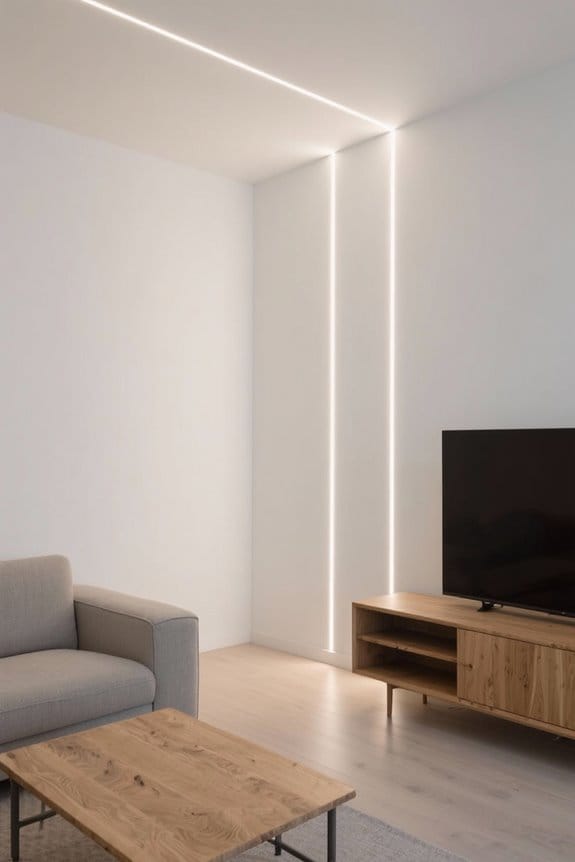
As designers create spaces, understanding the interplay between wall brightness and color perception becomes essential for achieving desired aesthetic effects. Wall brightness greatly influences the perceived colors of objects, as lighter walls can enhance the saturation and vibrancy of hues. This concept is rooted in luminance contrast, important for differentiating colors effectively. Various light sources and illuminance levels further manipulate wall colors; for example, cool lighting might mute warm tones while highlighting cooler shades. Successful lighting design often employs techniques like wall washing to create smooth gradients that increase brightness and provide dynamic backdrops. By strategically incorporating these elements, designers can elevate both color perception and the emotional responses of those experiencing the space. Choosing energy-efficient bulbs such as LED options can also contribute to the overall ambiance by offering optimal lighting control and enhancing the intended visual effects.
Understanding the Role of Contrast in Visual Experience
Understanding the intricacies of contrast is essential for creating visually engaging environments, as it fundamentally alters perception and experience. Contrast, defined as the difference in luminance between objects, can greatly enhance visual perception and spatial understanding. Effective lighting concepts that manipulate brightness ratios of 1:2 or 1:3 create high contrast, resulting in dramatic, engaging settings. This enhances object-background relationships, making environments feel more dynamic. Additionally, the interplay of light and shadow influences how patterns are recognized and appreciated, directly affecting emotional responses. By strategically implementing contrast in design, one can cultivate spaces that resonate emotionally while maintaining clarity and interest, hence allowing individuals to appreciate the subtleties of their surroundings more profoundly. Choosing bathroom vanity lighting with dimmable bulb options can further enhance the ability to manipulate contrast, providing tailored lighting solutions for different moods and tasks.
Effective Lighting Design Strategies for Vertical Surfaces
Effective lighting design strategies for vertical surfaces play a pivotal role in shaping the overall ambiance and functionality of a space. Employing effective wallwashing techniques guarantees uniform illumination from ceiling to floor, enhancing spatial proportions while fostering a balanced lighting environment. Utilizing grazing light can accentuate wall textures and architectural features, creating visually engaging vertical surfaces. The incorporation of point-source luminaires adds dynamic patterns, emphasizing specific design elements efficiently. Additionally, introducing colored lighting is a must-have strategy, as it alters the atmosphere and highlights architectural details through strategic application. Consistent illumination on vertical surfaces greatly enhances visual comfort, particularly in workplaces and galleries, where ideal wall brightness supports readability and aesthetic value, guiding thoughtful design execution. Incorporating brushed nickel finishes in lighting fixtures can harmonize with both modern and transitional aesthetics, enhancing the overall decor while providing durable and energy-efficient illumination options.
The Importance of Vertical Illuminance in Architectural Spaces
Vertical illuminance plays a pivotal role in architectural spaces, enhancing the experience and functionality of a design. By illuminating walls, this form of lighting accentuates architectural details while improving the overall spatial impression. Utilizing devices such as wallwashers can effectively distribute light, highlighting textures and creating a balanced glow that showcases three-dimensional surfaces. In contrast to conventional horizontal illuminance, vertical illuminance enhances orientation within a space, guiding occupants and enriching their experience. The aesthetic appeal of illuminated walls not only beautifies interiors but also provides dramatic effects through techniques like floodlighting. Mastering vertical illuminance in design is essential for creating environments that are inviting, functional, and visually engaging, making it a must-have consideration for architects and designers alike. A well-designed lighting system can include dimmable features that allow for further customization of light intensity, contributing to both ambiance and energy efficiency.
Frequently Asked Questions
How Does Brightness Affect Perception?
Brightness acts like a painter’s brush, shaping perception through perceptual contrast and ambient light. It influences color temperature, enhances visual comfort, and affects emotional responses, consequently reducing cognitive load and improving spatial awareness within environments.
Which Factors Determine Your Perception of the Brightness of Light?
Perception of brightness is determined by ambient light, color temperature, reflective surfaces, light direction, and visual contrast. Additionally, room scale and personal experience greatly influence individual interpretations of brightness in varying environments.
What Effect Does Lighting Have on a Room’s Perception?
Lighting profoundly influences a room’s perception; ambient lighting, color temperature, and reflective surfaces shape space dynamics, enhancing or diminishing emotional responses. Thoughtful design elements can transform the atmosphere, creating inviting environments or confining spaces, depending on execution.
How Does the Lighting Scheme Shape Our Perception of Character Space or Mood?
The lighting scheme shapes perception through ambient influence, color temperature, and psychological impact, defining activity zones and enhancing architectural effects. This creates emotional resonance, ultimately influencing mood and spatial perception within the environment.