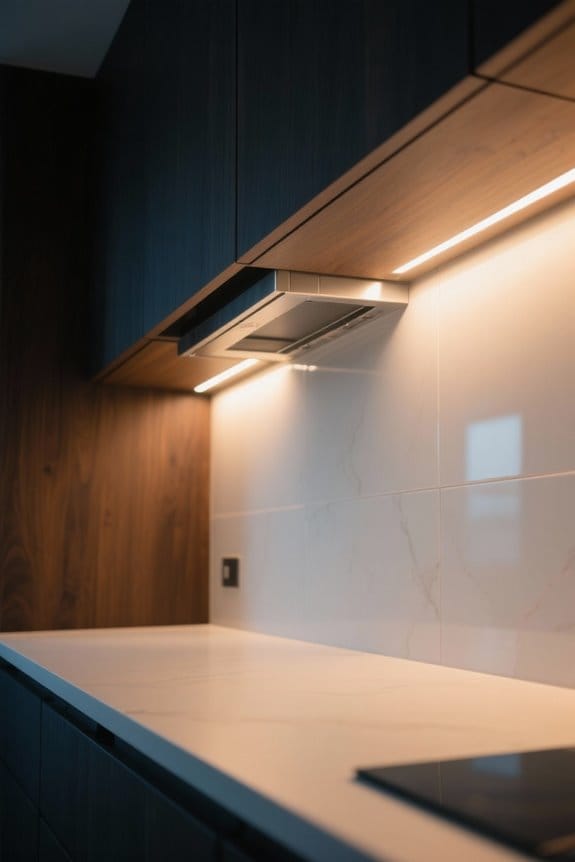


Effective entry lighting enhances safety and nighttime adaptation by providing a comfortable environment. Using fixtures like 8–14 inch pendant lights and wall sconces helps to minimize shadows and improve visibility. Aim for brightness levels of 800-1,500 lumens, depending on wall color, and select warm white light (2700K-3000K) for a welcoming feel. Smart lighting systems can mimic natural light patterns, allowing for adjustable settings. Continue exploring to discover extensive strategies for designing an inviting entryway.
Key Takeaways
- Smart lighting solutions mimic natural light patterns, aiding in healthier nighttime adaptation and enhancing comfort during entry.
- Adjustable color temperatures (2700K to 6500K) create the right atmosphere for relaxation or alertness in entryways.
- Dimmers provide control over light intensity, allowing adjustments based on time of day and personal preference.
- Layered lighting, including wall sconces and overhead fixtures, ensures even illumination and reduces harsh shadows, improving visibility.
- Energy-efficient smart bulbs lower power consumption while still offering versatile settings to manage light throughout the evening.
The Importance of Entry Lighting for Safety and Comfort
While it may seem secondary, entry lighting plays an essential role in ensuring both safety and comfort for those coming and going after dark. Proper lighting along pathways greatly reduces the risk of falls and accidents by improving visibility. For ideal brightness, it is recommended to use between 800 to 1,000 lumens for white walls and 1,200 to 1,500 lumens for dark walls. Layering multiple light sources, such as wall sconces and pendant lights, helps minimize harsh shadows while creating a welcoming atmosphere. Utilizing warm white light, within a color temperature of 2700K to 3000K, enhances comfort without causing glare. Incorporating smart lighting solutions allows users to adjust light intensity and color, facilitating smoother changes from daylight to evening lighting, ensuring safety and ease. Many flush mount lights support LED bulbs, providing energy efficiency and versatility with CFL and incandescent options.
Choosing the Right Fixtures for Your Entryway

Choosing the right fixtures for an entryway can remarkably enhance both the functionality and aesthetic of the space, especially as it sets the tone for visitors. For small areas, pendant lights with a diameter of 8–14 inches are ideal, ensuring they harmonize with the space without overwhelming it. Fixtures should be installed at least 7 feet high to maintain headroom and optimize illumination. Using warm white light in the 2700K-3000K range creates an inviting atmosphere that welcomes guests. Layered lighting strategies, combining wall sconces and overhead fixtures, will eliminate harsh shadows. Incorporating reflective surfaces, such as mirrors or metallic accents, amplifies light and can make the area feel more spacious, fitting seamlessly into a Smart Home with intelligent lighting features. The energy efficiency of fixtures like the Amico 12 Pack not only reduces electricity costs but also contributes to environmental sustainability over their lifespan.
Recommended Products

MODERN DESIGN – The Chantilly collection brings a modern silhouette to the chandelier, creating a refined focal point that elevates dining rooms, foyers and open living spaces.

Chandelier fixture

TIMELESS DESIGN – Inspired by timeless aesthetics, the Manor Collection brings refined style to your home with thoughtful detailing and a versatile silhouette that complements a wide range of interiors.
Understanding Color Temperatures and Their Effects

Achieving the right atmosphere in an entryway goes beyond selecting the ideal fixtures; the color temperature of the light emitted plays an essential role in shaping that ambiance. Measured in Kelvin (K), color temperatures between 2700K and 3000K emit warm white light, fostering a cozy environment ideal for welcoming guests into a home. Utilizing warm lighting encourages comfort, making small spaces feel more inviting. Shifting from softer evening light to cooler daylight hues during the morning (up to 5000K) can support circadian rhythms effectively. Consistent color temperature across various light sources enhances the visual appeal, creating a cohesive design. Employing advanced lighting technology guarantees that brightness is amplified without overwhelming, resulting in an inviting foyer that impresses visitors. Energy-efficient recessed lights consume significantly less power than standard bulbs, offering up to 90% energy savings and contributing to a sustainable home environment.
Recommended Products

Premium Materials: Made from anodized aluminum, the WELLFOR 60"x30" LED medicine cabinet (Three doors opening) features a waterproof, copper-free silver mirror and a tempered glass back for safety and style.
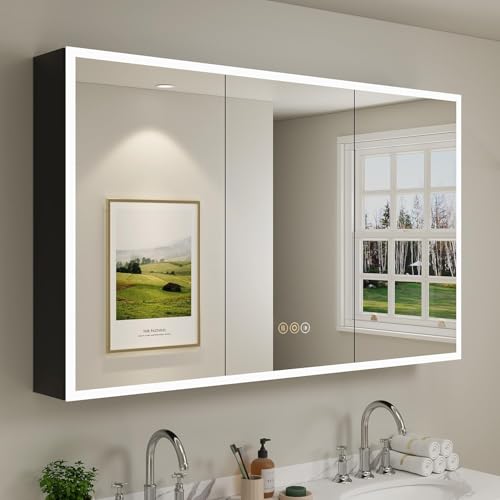
3-Mode Dimmable Lights & ETL Certified: Our Buruis medicine cabinet features 3-mode lighting. You can adjust the brightness from 10% to 100%, and set the color temperature to 3000K, 4000K, or 6000K. With ETL certification, we ensure that the Buruis medicine cabinet meets rigorous safety and performance standards, giving you confidence in its quality and reliability

✅ DESIGN - ASD commercial LED down lights for ceiling with emergency battery backup 15W come with a durable aluminum housing resistant to rust and impact, anti-glare PC lens, spring-loaded clips and 2.3 ft cord in metal hose. They are designed to operate on 120-277V circuits with a 0-10V dimmable driver. CRI90+ rating provides rich and natural colors and keeps your space looking and feeling vibrant
Layering Lighting for a Warm Welcome
To create a warm and inviting entryway, effective layering of lighting is crucial, combining multiple sources to enhance both aesthetics and functionality. This design strategy involves integrating overhead fixtures, wall sconces, and table lamps, which together minimize harsh shadows and create a cozy atmosphere. Incorporating dimmers allows for adjustable light intensity, adapting the ambiance for different occasions. Using warm white light, ideally between 2700K and 3000K, fosters a welcoming feel and enhances comfort, particularly in smaller spaces. Strategically placed mirrors can amplify light reflection, improving visibility and making the area appear more spacious. Ultimately, careful layering lighting guarantees all corners are illuminated, creating an inviting first impression upon entrance. Selecting fixtures with an adjustable color temperature is beneficial for customizing the mood and ensuring the entryway lighting is both versatile and energy-efficient.
Recommended Products

Modern Staircase Chandelier: Elevate entryways with this gold high-ceiling chandelier; featuring (36 Droplets) and a 36-inch adjustable design, it creates a striking focal point for staircases, foyers, and open spaces

【Rich Amber Glow & Handcrafted Crystal Glass】:This round dining room chandelier features 232 handcrafted curved crystal glass shades that create a rich amber glow with layered light reflection. The 4-tier design adds depth and dimension, while the brassfinish brings a warm vintage-luxury look. Ideal for buyers seeking a premium amber chandelier with artistic glass texture, elegant amber shine, and a bold designer appearance.

Antique Brass PENDANT LIGHT — The Nottingham hangs as a 20-inch drum Antique Brass pendant light in a transitional, considered silhouette. A band encircles each glass orb that beautifully reflects a warm glow from the vintage lights within. A Antique Brass pendant light sized to hang over a kitchen island or dining room.
Smart Lighting Solutions for Enhanced Adaptation
Advancements in smart lighting solutions provide innovative ways to enhance nighttime adaptation in entryways while maintaining a welcoming atmosphere. Products like the Linkind A19 Matter Smart RGBTW Bulb offer customizable settings that mimic natural light patterns. This promotes healthier nighttime adaptation and supports circadian rhythms, essential for overall well-being. Smart systems seamlessly integrate with home ecosystems like Apple, Google, and Amazon, allowing users to control light temperature and intensity effectively. With a temperature range from 2700K to 6500K, lights can shift from warm tones for relaxation to cooler hues that encourage daytime alertness. Features such as dimmers and scene presets enable flexible lighting control, allowing gradual changes to nighttime darkness, thereby enhancing comfort and wellness during these vital shifts. Smart bulbs, such as the Sengled Alexa Smart Light Bulbs, offer energy-efficient solutions that reduce power consumption while providing versatile lighting options.
Installation Tips for Safe and Effective Entry Lighting
When installing entry lighting, it is essential to prioritize both safety and aesthetics, guaranteeing a well-lit, welcoming space. Begin by selecting fixtures that are UL/ETL certified to minimize electrical fire risks. For foyer lighting in low-ceiling areas, hang fixtures at least 7 feet above the ground to maintain an open atmosphere. If renting, consider using swag hooks for easy installation, allowing for flexible layout changes without permanent alterations. Always factor in the weight of the lighting fixture; confirm it does not exceed 80% of the box rating for stability. Finally, familiarize yourself with local electrical codes and limitations to avoid hazards, securing effective lighting without jeopardizing safety or functionality in your entryway. Consider incorporating energy-efficient models to enhance ambiance while reducing electricity consumption.
Frequently Asked Questions
What Is the 5 7 Lighting Rule?
The 5-7 rule emphasizes that the foyer should have 5 to 7 times more lighting than surrounding areas. This guarantees effective lighting adaptation, enhancing both brightness levels and the overall welcoming atmosphere.
What Is the Adaptive Lighting Control System?
The adaptive lighting control system transforms environments through advanced lighting technology, adjusting brightness dynamically according to time. This innovative approach enhances mood, promotes wellbeing, and aligns with natural light patterns, fostering an engaging ambience for all.
What Is the Best Lighting for Night Shift Workers?
The best lighting for night shift workers includes tunable white lighting that adjusts color temperature, supporting circadian rhythms. Maintaining levels of 3000K to 5000K mitigates sleep impact, enhancing alertness while reducing fatigue and stress.
What Type of Light Is Best for an Entryway?
Hitting the nail on the head, the best entryway illumination features warm white ambient light selection, ideally 2700K-3000K, combined with layered sources and lumens tailored to the space, enhancing both visibility and comfort.