

Open-plan lighting is essential for effectively creating sub-zones without walls. Use ambient, task, and accent lighting to define distinct areas, enhancing both usability and aesthetic appeal. Strategic fixture selection, such as pendant lights for dining zones and adjustable track lighting for flexibility, plays a vital role. Implementing dimmers allows for adjustments in brightness and atmosphere. By understanding these elements, homeowners can foster functionality and style throughout their open spaces, discovering innovative design strategies along the way.
Key Takeaways
- Utilize layered lighting combining ambient, task, and accent styles to establish distinct zones in open-plan layouts without physical walls.
- Implement pendant and track lighting strategically to highlight activity areas, enhancing both functionality and aesthetic appeal.
- Incorporate a cohesive color palette and matching materials to visually unify different zones while maintaining their unique identities.
- Use smart lighting systems for customizable brightness and color temperature, supporting flexible atmospheres in various sub-zones.
- Ensure clear circulation paths and consistent lighting tone to facilitate smooth transitions and reinforce overall design continuity.
Understanding the Importance of Zoning in Open-Plan Homes
In modern open-plan homes, effective zoning plays a crucial role in creating organized, functional living spaces. Homeowners can create distinct zones by utilizing furniture arrangement, color palettes, and ambient lighting, allowing for a tailored approach to daily activities. This strategic zoning prevents visual chaos, enabling seamless flow between areas. For instance, a cozy reading nook can be defined with warm, spot lighting, while a vibrant dining area may feature brighter overall lighting to foster an uplifting atmosphere. To maximize usability, a thorough lighting strategy should accompany zoning efforts, ensuring that each zone is not only visually appealing but also functional. Homeowners might consider professional interior design guidance to elevate both style and efficiency in their open-plan living spaces. Another way to optimize lighting in open-plan areas is by utilizing adjustable brightness and dimming features, which allow for mood and ambiance control, catering to specific requirements in different zones.
The Role of Lighting in Defining Spaces

Effective lighting serves as a cornerstone in defining spaces within open-plan layouts, creating a harmonious balance between functionality and aesthetics. By employing a strategic lighting plan that incorporates ambient lighting for overall illumination, task lighting for specific activities, and accent lighting to highlight design elements, designers can define distinct zones within open areas. Utilizing fixtures such as pendant lights for general ambiance and spotlights for focused tasks helps eliminate dark corners and awkward shadows. Dimmable options are a must-have, allowing these zones to shift from bright workspaces to relaxed environments. Selecting appropriate fixtures like chandeliers or wall sconces enhances both the aesthetic appeal and functionality, ensuring each area receives tailored illumination, making lighting essential for successful zoning in open-concept living environments. Hardwired wall sconce selections are influenced by design preferences, material choices, and ambient lighting needs, which can greatly affect the overall ambiance and cohesion of the space.
Layering Light for Functional Areas

Layering light within open-plan spaces substantially enhances their functionality and visual appeal, addressing the distinct needs of various activities. Ambient lighting serves as the foundation, providing general illumination, while task lighting focuses on specific functions like cooking or reading. Adjustable fixtures, such as pendant lighting and track lights, can spotlight designated areas, allowing for flexibility as room usage evolves. Strategically placed floor lamps and wall sconces help to define sub-zones without walls, creating visual distinctions while maintaining an open-plan layout. Incorporating dimmers enables seamless shifts between different brightness levels, making spaces adaptable for both entertaining and relaxation. This layered lighting approach not only enriches the atmosphere but also guarantees each area operates efficiently, catering to its specific purpose effectively. A flush mount ceiling light fixture with a dual drum design can be an excellent choice for such spaces, offering a blend of modern and classic aesthetics while ensuring easy installation and maintenance.
Choosing the Right Fixtures for Each Zone
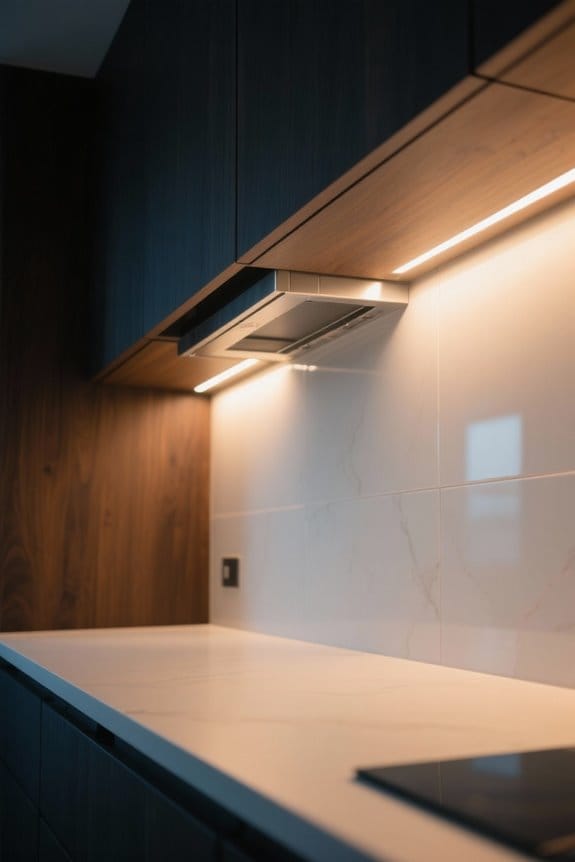
Choosing the right fixtures for distinct zones in an open-plan space enables homeowners to maximize both functionality and aesthetic appeal. Pendant lights can effectively anchor activity zones, such as dining or work areas, ensuring they are positioned to avoid glare while providing focused illumination. Task-oriented fixtures, such as adjustable wall sconces or under-cabinet lighting, improve visibility for specific activities like cooking and reading. Incorporating accent lighting, such as spotlights for artwork, further enhances visual interest while delineating different spaces. Flexible lighting options, like movable floor and table lamps, offer ambient light that can adapt to changing needs. Ultimately, balancing styles, combining chandeliers with recessed lighting, fosters a cohesive, harmonious environment across the distinct zones of an open-plan design. For bathrooms, waterproof or damp-rated fixtures ensure safety in humid areas, providing a reliable solution for spaces where moisture is a concern.
Recommended Products

[ HIGHLY ANTICIPATED ] Euri's highly anticipated EHL-130W-MD, Flickering Flame Hanging Lantern is now available to the market! This hanging lantern was designed to pair with our EFL-130W-MD Flickering Flame Outdoor Wall Lantern. This unique piece was designed with a water glass lens to enhance your exterior decoration, while delivering an abundance of light to your garden, yard, porch or any exterior area in darkness. Make your space stand out with this unique addition. Our non-dimmable hanging lantern offers a unique look with our signature ultra-natural LED flame bulb.

Sonneman Stix Contemporary Chandelier: Elevate your decor with the Sonneman Modern Lighting Stix 6-Arm LED Hanging Chandelier, featuring a contemporary design that adds a touch of sophistication to your kitchen island, dining room, or living room.

72``Patio Fan from the Windmill collection
Ambient, Task, and Accent Lighting Explained
When designing an open-plan space, understanding the roles of ambient, task, and accent lighting is essential for creating a harmonious environment. Ambient lighting serves as the foundation, providing general illumination to guarantee that the entire area is sufficiently lit. Task lighting, on the other hand, directs focused light to specific areas for activities like reading or cooking, often positioned under cabinets or above workspaces. Accent lighting enhances visual interest by highlighting artwork or architectural features, adding depth to the space. By skillfully integrating different light sources, designers can create defined zones within the versatile living space. Layering these three types of lighting fosters flexibility, allowing homeowners to adjust the atmosphere according to time of day or specific needs. Additionally, LED strip lights offer customizable placements around screens or furniture, enhancing both functionality and aesthetic appeal in open-plan designs.
Creative Ideas for Kitchen Lighting
Effective kitchen lighting is a pivotal element that not only enhances functionality but also contributes to the overall ambiance of an open-plan design. Pendant lighting serves as an excellent choice over islands and dining areas, creating distinct zones while providing both ambient and task lighting. Incorporating recessed lights around cooking spaces minimizes shadows, improving visibility during food preparation. Layering lighting with overhead fixtures, under-cabinet lights, and decorative elements adds versatility, enhancing aesthetic appeal. To further refine the atmosphere, installing dimmers allows shifts from bright work lighting to a softer ambient glow for relaxation. Utilizing various light sources in these living spaces effectively defines work areas, ensuring a seamless blend of practicality and style in an open layout. The inclusion of smart features in modern pendant lights can further enhance control over lighting, offering convenience and improved functionality.
Recommended Products

MODERN DESIGN – This ET2 Lighting pendant delivers a refined, contemporary look that elevates any room in your home with timeless design appeal.

MODERN DESIGN – This ET2 Lighting pendant delivers a refined, contemporary look that elevates any room in your home with timeless design appeal.

Simple yet elegant design that complements any setting
Designing a Dining Zone With Effective Lighting
Creating a dining zone that seamlessly integrates into an open-plan layout requires thoughtful attention to lighting, which plays an essential role in defining the space. Pendant lighting should be employed above the dining table, serving as both a source of ambient light and a visual focal point. Large feature pendants or designer chandeliers can act as statement pieces, enhancing the aesthetic appeal within the dining zone. Dimmable lights offer the versatility needed to adjust brightness for various occasions, from vibrant gatherings to intimate dinners. Additionally, wall sconces along the perimeter can provide warmth, complementing the overhead lighting. By layering lighting with pendant lights and complementary floor lamps, the dining area’s functionality and ambiance can be greatly enhanced while maintaining a cohesive design. Incorporating energy-efficient LED technology in lighting choices can significantly reduce energy consumption and maintenance costs, contributing to a more sustainable and cost-effective home environment.
Recommended Products

MODERN DESIGN – The Chantilly collection brings a modern silhouette to the chandelier, creating a refined focal point that elevates dining rooms, foyers and open living spaces.

48 Inch Spiral Stylish Design: This oversized spiral ceiling light features classic black finished frame and unique spiral outline, perfectly matching modern home decor styles. It works great for high ceiling foyer entryway staircase dining room and spacious living room to enrich interior visual layout

Longree chandelier using 100% hand blown murano glass in a beautiful colour with light transmission anti-scratch and heat dissipation, long lifetime. giving you crystal clear and fresh art feel.
Enhancing Living Spaces Through Strategic Lighting
To enhance living spaces effectively, strategic lighting placement is essential, as it can delineate functional sub-zones within an open-plan layout. By employing ambient, task, and accent lighting, homeowners can create distinct yet cohesive zones within the living area. For instance, pendant lighting over dining tables and workspaces visually separates these areas while delivering adequate illumination. Combining adjustable track lighting adds flexibility, allowing users to direct light where needed, catering to different activities. Layering multiple light sources contributes to a well-lit atmosphere, inviting engagement in each functional sub-zone. Moreover, incorporating dimmable lights enables easy adjustments, allowing for varying moods and preferences, ultimately enhancing the tranquility and utility of the overall space while promoting a seamless flow throughout. These lights often have a high CRI rating, ensuring true color representation and contributing to the overall aesthetic appeal of the space.
Recommended Products

Finish: Black - Glass: White

Five Light Pendant from the Serpentine collection

Feature - The perfect combination of Crystal and Metal makes the lamps and lanterns look retro and fashionable. The cylinder lamp shade adds warmth and tenderness to your life.Electroplating technology finish handle,rust proof and durable which means that a lamp can be used for a long time, you will saving your money and time for renovation.Convenient, simple, easy to change, can match a variety of decoration style.
Tips for Maintaining Flow and Continuity Between Zones
Achieving flow and continuity between different zones in an open-plan space involves strategic design choices that foster a harmonious environment. To create dedicated zones, utilize a cohesive color palette that ties various areas together while allowing for distinct accents. Matching materials and finishes, combined with variations in texture, help define architectural features, promoting a unified visual experience. Clear circulation paths free of obstacles enhance navigation, facilitating smooth shifts between areas. Layered lighting strategies, such as incorporating ambient, task, and accent lighting, are essential to maintain flow. By choosing a consistent lighting tone, designers can guarantee that lighting works harmoniously across different areas, reinforcing both functionality and aesthetic appeal. Motion sensor night lights can also be an effective solution for enhancing safety and convenience, providing hands-free illumination in key areas.
Incorporating Smart Lighting for Versatility
As homeowners increasingly seek multifunctional spaces, incorporating smart lighting systems has become an essential strategy for enhancing versatility within open-plan layouts. These systems allow for customizable atmospheres by adjusting brightness and color temperature, making it easy to create defined sub-zones for different activities. For instance, ambient lighting can establish a relaxing mood, while task lighting supports focused work sessions. Additionally, accent lighting highlights specific areas or decor, enhancing the visual flow. Smart lighting systems seamlessly integrate with voice-command systems, offering effortless control over lighting setups without physical switches. By utilizing features such as timers and remote control, homeowners can elevate functionality, shifting smoothly between zones, whether for casual gatherings or quiet evenings at home. Furthermore, 3-way smart dimmer switches provide a range of 1% to 100% brightness control, allowing for precise lighting adjustments tailored to each specific zone.
Recommended Products
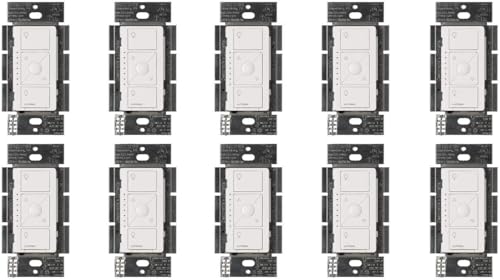
EASY INSTALL: Easily replaces your existing switch in as little as 15 minutes; NEUTRAL WIRE REQUIRED

MOST CONNECTED: Caseta connects with more leading smart home devices - including Alexa, Apple Home, Google Assistant, Sonos home automation, and more - than any other smart dimmer light switch brand (Lutron Smart Hub, L-BDG2-WH, required)
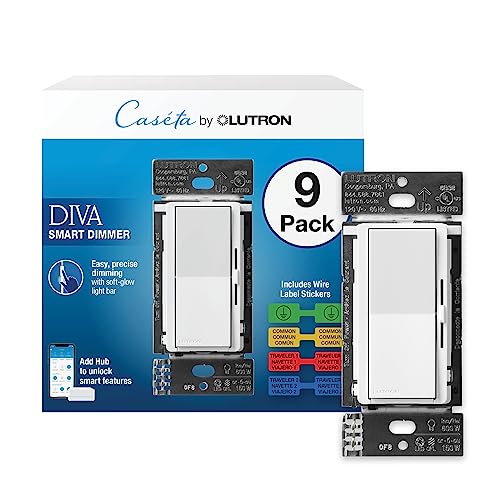
MOST CONNECTED: The Caseta Smart Dimmer Switch connects with more leading smart home devices - including Alexa, Apple Home, Google Assistant, Ring, Serena shades, and Sonos - than any other smart light switch brand (Lutron Smart Hub required)
Frequently Asked Questions
How to Create Zones in Open Plan?
To create zones in an open plan, one should employ strategic furniture arrangements, utilize color schemes for definition, incorporate lighting layering, and implement texture contrasts alongside acoustic solutions, establishing visual boundaries effectively.
What Is the 5 7 Lighting Rule?
The 5-7 rule recommends 5 to 7 watts of lighting per 50 square feet, ensuring balanced ambient illumination and task lighting, optimizing focal points, color temperature, and visual comfort tailored to room dimensions through effective lighting layers.
How to Create Spaces in an Open Floor Plan?
To create spaces in an open floor plan, she wove furniture arrangement with area rugs and decorative screens, employing color psychology and vertical dividers. Lighting fixtures, plant placement, sound barriers, and multifunctional furniture further defined distinct zones.
What Kind of Lighting Is Best for Windowless Rooms?
For windowless rooms, a combination of ambient and task lighting, including pendant lights and recessed lighting, enhances brightness. Floor lamps and wall sconces with adjustable color temperatures can mimic natural light substitutes effectively.