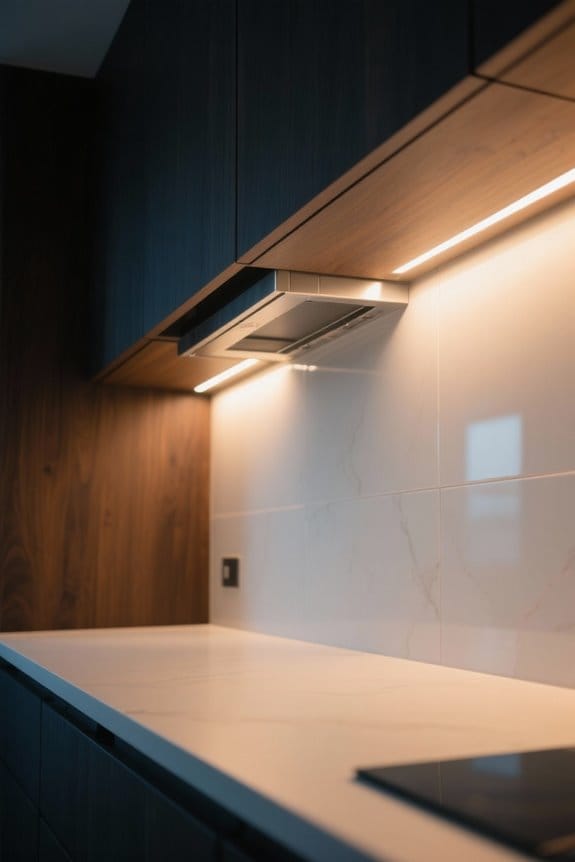


To avoid blue-light overexposure at night, individuals should prioritize using warm light sources rather than harsh LEDs for nighttime reading. Warm white or amber bulbs are essential choices, as they minimize melatonin suppression, supporting better sleep. It is advised to employ blue-light-filtering screens on devices and wear blue-light-blocking glasses during evening hours. Additionally, implementing a calm wind-down routine and keeping electronics out of the bedroom can markedly enhance sleep quality. Further insights can help prevent future sleep disruptions.
Key Takeaways
- Turn off electronic devices at least two hours before bedtime to enhance melatonin production and reduce blue light exposure.
- Use blue-light-blocking glasses while reading at night to minimize melatonin suppression and promote better sleep.
- Dim home lighting below 8 lux in the evening to create a restful environment and support natural sleep cycles.
- Utilize applications that filter out blue light wavelengths on digital devices to decrease their negative effects on sleep quality.
- Engage in screen-free activities under warm lighting to cultivate a calming atmosphere conducive to relaxation before sleep.
Understanding Blue Light and Its Sources
As individuals increasingly rely on digital devices throughout their daily routines, understanding blue light and its various sources becomes essential for maintaining overall well-being. Blue light exposure is emitted by both natural sources, like the sun, and artificial ones, such as LEDs and fluorescent lights. Common electronic devices contributing to this exposure include smartphones, tablets, computers, televisions, and e-readers. Most people utilize these devices in the evening, amplifying blue light interaction. Adaptation of practices like blue light blocking using specialized glasses or apps that filter blue wavelengths can effectively manage exposure. By being mindful of these sources of blue, individuals can take meaningful steps to protect their health, thereby promoting a more balanced lifestyle in today’s technology-driven world. Smart dimmer switches can also help manage artificial light exposure by allowing precise control over lighting conditions in your home.
The Impact of Blue Light on Sleep Quality

Understanding the impact of blue light on sleep quality is fundamental for anyone who utilizes digital devices regularly. Research indicates that exposure to blue light, especially before bedtime, considerably suppresses melatonin production. Melatonin is essential for regulating sleep onset and overall quality. In fact, blue light suppresses melatonin for double the duration of green light, impairing sleep cycles. Even minimal exposure to blue light at night can disrupt melatonin secretion, leading to shorter sleep durations. Additionally, chronic exposure is associated with increased risks of metabolic disorders and mental health concerns, such as depression. Awareness and management of blue light exposure at night can be important steps in achieving better sleep quality, thereby enhancing overall well-being and cognitive functioning. Implementing floor lamps with adjustable brightness can help minimize blue light exposure at night, providing a more conducive environment for restful sleep.
How Blue Light Disrupts Circadian Rhythms

When individuals expose themselves to blue light during the evening, their circadian rhythms can be significantly disrupted, impacting overall health and well-being. Blue light interferes with melatonin production, a hormone essential for regulating sleep. Even low levels, as minimal as 8 lux, can suppress melatonin secretion, making it harder to fall asleep and enjoy restful slumber. Research indicates that blue light exposure can shift circadian rhythms by up to three hours, misaligning them with natural environmental cues. This misalignment not only affects sleep-wake cycles but also heightens the risk of various health issues, including metabolic disorders and mental health conditions. Awareness and management of blue light exposure at night become essential for maintaining a healthy circadian rhythm and enhancing overall quality of life. Implementing dimmable settings on LED lighting can help reduce blue light exposure by allowing users to adjust brightness levels according to their needs.
The Role of Melatonin in Sleep Regulation
Melatonin, a hormone synthesized by the pineal gland in response to darkness, is vital for regulating the sleep-wake cycle. This hormone promotes sleep by signaling the body that it is time to rest. However, blue light exposure, especially during the evening, considerably reduces melatonin levels, leading to difficulties in falling asleep and poorer sleep quality. Research shows that even minimal exposure, such as 8 lux of blue light, can disrupt melatonin secretion, causing disturbances in the circadian rhythm. Furthermore, blue light suppresses melatonin for about twice as long as other light wavelengths, extending alert periods when viewed at night. As a result, managing exposure to blue light in the evening is essential for maintaining healthy melatonin levels and supporting ideal sleep health. Incorporating ambient lighting solutions with appropriate color temperatures can help reduce blue light exposure, promoting better sleep hygiene.
Strategies to Minimize Blue Light Exposure
Maintaining healthy sleep patterns requires proactive measures to minimize blue light exposure, particularly in the evening. One effective strategy is to turn off electronic devices at least two hours before bedtime to enhance melatonin production. For those who need to use screens late at night, blue-blocking glasses serve as a must-have accessory to reduce melatonin suppression. Additionally, dimming home lights to below 8 lux supports the circadian rhythm by creating a restful environment. Apps that filter out blue light wavelengths can also mitigate adverse effects when screens must be used after sundown. Engaging in screen-free activities, such as reading under warm amber or red light, further aids in minimizing blue light exposure and promoting relaxation before sleep. Consider using energy-efficient LED options in home lighting setups, as they have the added benefit of long lifespans and can be adjusted for softer, warmer tones conducive to evening relaxation.
Choosing the Right Color Light for Nighttime Reading
Choosing the right color light for nighttime reading is essential for maintaining a restful environment conducive to quality sleep. Evidence suggests that blue light can interfere with melatonin production, ultimately impairing sleep quality. As a result, opting for amber or red light is highly recommended, as these colors do not disrupt circadian rhythms. Products like NoBlue Amber Sleep Lamps and Twilight Red Light Sleep Lamps are excellent choices, offering full protection from blue light exposure. Additionally, warm-colored light bulbs, such as Sweet Dreams Sleep Light Bulbs, enhance reading comfort while reducing glare. For those who prefer devices, using blue-light-blocking glasses can help mitigate potential sleep disturbances, promoting a more restorative night’s sleep after reading sessions. Moreover, choosing LED uplight fixtures with adjustable angles and dimming features can create a customizable reading environment that complements existing decor.
Creating an Optimal Sleep Environment
A favorable sleep environment plays a significant role in enhancing sleep quality and overall well-being. Minimizing excessive blue light at night is essential, as it can disrupt circadian rhythms and impede melatonin production. To create an ideal sleep space, consider installing blackout curtains that completely eliminate external light disturbances, fostering a darker, sleep-conducive atmosphere. Instead of bright, disruptive lights, opt for dim nightlights or red light sources, which maintain a drowsy state without interfering with sleep hormones. Additionally, reducing clutter by minimizing electronic devices allows for better restfulness. Reinforcing consistent wake times and ensuring ample exposure to bright light during the day can further enhance circadian regulation, reinforcing healthy nighttime sleep patterns. Incorporating energy-efficient models with adjustable brightness in your lighting choices can also contribute to a calming and efficient sleep environment.
Additional Tips for Better Sleep Hygiene
Although sleep hygiene may seem like a simple concept, it encompasses a range of practices that can dramatically improve one’s rest. To achieve better sleep, individuals should dim bright lights at least one hour before bedtime to enhance melatonin production. Establishing a calming wind-down routine lasting 30-60 minutes signals the body to relax, reducing anxiety. Additionally, keeping electronic devices out of the bedroom minimizes blue light exposure, promoting more effective circadian rhythms. Using blackout curtains or eye masks serves as an essential strategy for blue-light blocking and creates a restorative environment. Finally, maintaining a consistent sleep schedule reinforces the body’s internal clock, further supporting overall health and improved sleep hygiene. Implementing these practices can lead to a more restful night. Incorporating milk glass vanity lights in your bathroom can provide a warm, inviting ambiance that complements sleep hygiene practices by creating a soothing atmosphere.
The Future of Light Exposure and Sleep Health
As awareness of the impact of light exposure on sleep health continues to rise, innovative solutions are emerging to address these concerns. Advances in lighting technology, including blue-light-blocking screens and smart lighting systems, actively reduce blue light exposure at night. Research supports the use of warmer, amber-tinted lighting, which promotes melatonin production and enhances sleep quality. Consumers are increasingly seeking eye-friendly options, such as blue-light-filtering glasses and specialized lamps, emphasizing their health effects on sleep health. Public health initiatives encourage limiting screen time before bed and creating ideal sleep environments. Future research is expected to assess the long-term effects of blue light exposure on health patterns, guiding recommendations for better light use in daily life. Additionally, dimmable LED bulbs, known for their energy efficiency and adjustable color temperatures, are gaining popularity for creating tailored ambient settings that support healthier sleep environments.
Frequently Asked Questions
Should You Avoid Blue Light at Night?
Yes, avoiding blue light at night is advisable. It helps in maintaining circadian rhythm, reducing eye strain, and minimizing potential disruptions caused by digital devices. Limiting exposure can enhance overall sleep quality and health.
How Do You Block Blue Light at Night?
To block blue light at night, individuals can utilize blue light filters on devices, wear amber glasses, and practice screen dimming. These measures enhance melatonin production, promoting a restful sleep environment despite objections regarding their effectiveness.
Does Night Light Actually Reduce Blue Light?
Night light effectiveness varies; certain types considerably reduce blue light emissions compared to standard blue light sources. Alternative light options, such as warm-colored or dim lights, can effectively minimize blue light’s impact on sleep quality.
What Are the Scientific Studies on Blue Light?
Scientific studies reveal that blue light impact from digital devices greatly disrupts circadian rhythms, with some research highlighting the potential dangers of melatonin suppression, linking it to serious health issues like obesity and mood disorders.