
Shifting from vibrant summer evenings to the cold, dark winter nights can evoke significant emotional shifts. Individuals must recognize these changes and employ effective coping strategies, including engaging in seasonal activities and practicing mindfulness. Enhancing light exposure with full-spectrum bulbs and light therapy can uplift mood, while prioritizing self-care through connecting with friends and family fosters resilience. As one navigates this shift, they can also reflect on past experiences to set new goals and embrace personal growth. Discover more effective strategies to enhance this seasonal reset.
Key Takeaways
- Embrace shorter days by maximizing natural light through outdoor activities during sunny hours to boost serotonin levels and improve mood.
- Gradually shift evening routines to include calming practices, preparing the body for sleep and reducing winter stress.
- Engage in seasonal activities and reflective journaling to foster connection, joy, and emotional balance amid feelings of loss.
- Prioritize self-care routines that include reading and exercise to combat isolation and maintain emotional resilience during colder months.
- Enhance home ambiance with bright indoor lighting and cozy decor to create a warm, inviting space that reflects winter’s beauty.
Understanding the Emotional Impact of Seasonal Changes
As the seasons shift from summer’s warmth to winter’s chill, individuals often face a variety of emotional challenges that warrant attention. These seasonal changes can leave many experiencing emotional impacts, including nostalgia for summer’s activities and a decline in energy levels. Seasonal Affective Disorder (SAD) affects approximately 5% of the U.S. population, particularly during fall and winter due to decreased daylight hours. This reduction disrupts the body’s melatonin and serotonin production, further complicating sleep patterns and mood regulation. It is crucial to recognize these emotional shifts, as they directly correlate with mental health. By understanding this change, individuals can actively prepare and utilize effective coping strategies to manage feelings of sadness or fatigue, ensuring a smoother adaptation to winter’s challenges. Choosing the right lighting options available in your home can also play a significant role in enhancing mood and energy levels during these darker months.
Strategies for Embracing the Transition
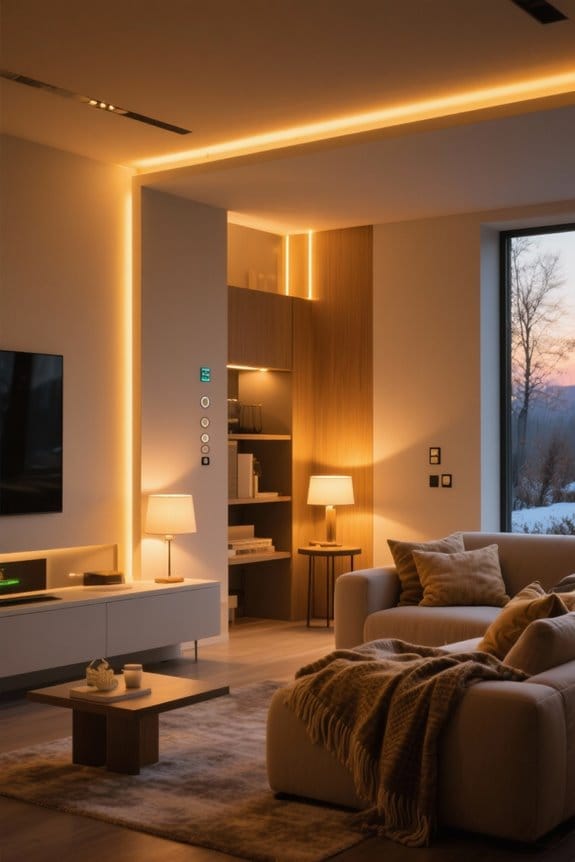
To successfully embrace the change into winter, individuals can adopt various strategies that promote emotional and mental well-being. Integrating mindfulness practices, such as daily outdoor time during sunny hours, maximizes essential natural light exposure during shorter days. Engaging in seasonal activities, like decorating with winter-themed decor or creating seasonal playlists, fosters connection and joy. A gradual change in the evening routine, incorporating calming practices like reading or gentle stretching, prepares the body for earlier bedtimes. Reflective journaling and conversations with supportive friends can help individuals acknowledge feelings of loss, maintaining emotional balance throughout the change. Additionally, light therapy lamps can simulate sunlight exposure during morning routines, effectively mitigating symptoms of Seasonal Affective Disorder (SAD). For those looking to enhance their home environment, exploring 3-way smart dimmer switches can offer customizable lighting solutions that adapt to seasonal changes, supporting both energy efficiency and comfort.
Prioritizing Self-Care During Winter
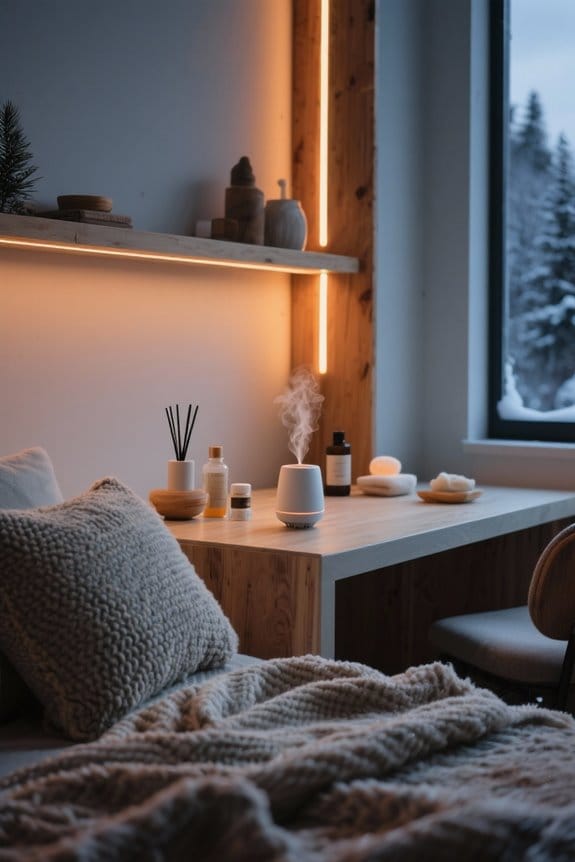
During winter, prioritizing self-care becomes essential for maintaining emotional well-being, especially when the season can heighten feelings of isolation and fatigue. To combat the effects of shorter days, individuals should engage in activities that bring joy, such as reading or exercising. Finding a balance between responsibilities and leisure is important; dedicating time for self-care strengthens emotional resilience and helps prevent burnout. Incorporating soothing practices, including warm baths and cozy blankets, promotes relaxation and improves sleep hygiene, critical for mental health. Additionally, utilizing calming techniques like intentional breathing exercises effectively reduces anxiety and stress. By actively prioritizing self-care routines, individuals can navigate the emotional ups and downs that often accompany winter, fostering a greater sense of well-being throughout the season. For an added touch of warmth to improve your relaxation space, consider installing warm white LED bulbs that can create a cozy and enchanting bedroom ambiance.
Enhancing Light Exposure for Mood Improvement
Enhancing light exposure is an essential strategy for improving mood and overall well-being during the shorter days of winter. Many individuals in the northern hemisphere experience Seasonal Affective Disorder (SAD), characterized by low mood and energy levels. To combat these effects, light therapy can be a game changer; using light therapy lamps for 20-30 minutes each morning can considerably boost mood and energy. Additionally, maximizing natural light exposure through outdoor activities, like brisk walks during sunny periods, can elevate serotonin levels, promoting a positive mood. Supplementing this with bright indoor lighting, such as full-spectrum bulbs, enhances living spaces and offsets the effects of diminished daylight, creating an uplifting atmosphere vital for emotional well-being during the bleak winter months. Eye care technology in lighting products can further improve comfort by reducing eye strain, making the experience more pleasant and effective.
Seasonal Reflection: Assessing Past Experiences
As winter approaches, engaging in a seasonal reflection can considerably benefit individuals looking to navigate the changes in energy levels and emotional states. By evaluating energy sources and energy drains from the past season, individuals can identify patterns that inform necessary adjustments for the winter season. Creating a thorough list of activities, people, and experiences reveals insights into personal priorities and enhances self-awareness. Analyzing the actual time spent on various tasks, compared to stated priorities, encourages a focus on what truly matters. Moreover, deep reflection through journaling or meditation provides clarity on intended changes. Understanding emotional responses to the shift from summer’s liveliness to winter’s quietness equips individuals with better coping strategies for potential feelings of heaviness and fatigue. Choosing outdoor lighting with high weather resistance ensures durability against seasonal changes, creating a seamless transition from summer evenings to winter nights.
Incorporating Mindful Practices Into Daily Life
Mindfulness serves as a powerful tool for individuals seeking a smoother shift into the winter months. To incorporate mindful practices during this transformation, one can begin daily journaling to reflect on emotional shifts and cultivate gratitude. Additionally, establishing evening rituals, such as reading or gentle stretching, can signal the body to wind down, enhancing relaxation and improving sleep quality. Nature walks are also beneficial, as they expose individuals to sunlight and connect them with winter’s tranquil environment. By embracing these practices, one can navigate seasonal changes with greater ease, fostering emotional balance amidst the darker months. Prioritizing such mindfulness strategies can considerably enhance overall well-being, aiding in the transition to winter. Incorporating ambient lighting solutions can also enhance the cozy atmosphere of your home, creating a warm and inviting space during the darker winter evenings.
Resources for Support and Growth During Winter
Finding the right resources to support personal growth during winter can greatly enhance well-being and resilience. Engaging in community events, such as Day of the Dead, provides essential spaces for grieving and remembrance. This atmosphere fosters healing and connection. Books like “Wintering” by Katherine May offer valuable insights for the navigation of seasonal challenges. Additionally, digital tools, such as Embodied Grief Rituals, serve as must-have resources for managing feelings of loss. Seasonal rituals encourage acceptance and create support systems as individuals adapt into winter. In addition, maintaining communication with friends and seeking professional therapy are vital for building emotional resilience, allowing people to cope effectively throughout these colder months. Embracing these resources supports growth, encourages connection, and cultivates strength during winter. Incorporating stylish matte black vanity lights can enhance your home’s ambiance, creating a cozy and visually appealing space that complements the winter season.
Frequently Asked Questions
What Is the Transition Season From Summer to Winter?
The changeover season from summer to winter encompasses autumn, characterized by vibrant seasonal changes and weather shifts. Individuals engage in preparation tips like cozy activities, updating wardrobes, decorating homes, and planning holidays to enhance mental wellness.
How to Do a Seasonal Reset?
A seasonal reset is like turning a page in a book. Embracing seasonal organization tips, cozy home decor, warm beverage recipes, and mindful evening routines revitalizes one’s spirit through self-care practices and family gatherings during changes.
How Does It Change From Summer to Winter?
The change from summer to winter alters activities, requiring warmer wardrobes and different evening routines. Sunset colors fade, nature shifts, social gatherings decrease, and cozy environments emerge, influencing mood and seasonal food preferences dramatically.
Which Type of Change Is the Change of Seasons From Summer to Rainy to Winter?
The change of seasons from summer to rainy to winter encompasses climate impact, weather patterns, and nature’s rhythms, influencing seasonal activities, agricultural cycles, emotional well-being, cultural adaptations, and health considerations through noticeable environmental shifts.