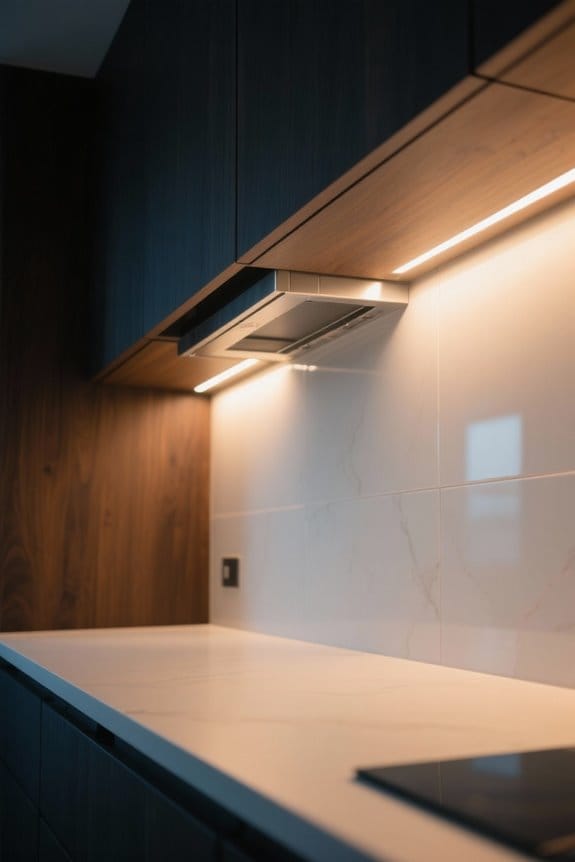


Indirect lighting techniques effectively lower the perceived height of luminous ceilings in tall rooms. By positioning light sources to illuminate walls and ceilings, homeowners can achieve soft illumination and minimize harsh shadows. Utilizing adjustable LED strips or cove lighting creates dynamic effects, enhancing visual interest and ambiance. Warm color temperatures can foster a cozy atmosphere, while strategically placed features highlight architectural beauty. Exploring further options and practical tips can elevate your design approach and creativity in these spaces.
Key Takeaways
- Use LED strip lights or cove lighting along walls to create soft, indirect illumination that visually lowers ceiling height.
- Employ warm white light to create a cozy atmosphere and soften the perception of tall spaces.
- Position recessed lights strategically to achieve a “ceiling glow” effect, reducing visual height.
- Implement dimmable fixtures for adjustable brightness that enhances comfort and activity needs.
- Highlight architectural features with indirect light to balance and enrich the overall visual design.
Understanding Indirect Lighting Techniques
Understanding indirect lighting techniques can greatly enhance the ambiance of any space, transforming it into a more inviting environment. Indirect lighting involves placing light sources in locations where they illuminate surfaces like walls and ceilings, promoting soft illumination that diminishes harsh shadows. LED strip lights are particularly effective; their adaptability allows for easy installation along edges and recesses, providing customizable lighting control. For instance, cove lighting, a must-have for many, minimizes glare and contrasts in tall rooms, creating a warmer feel. Wall sconces with concealed bulbs also contribute considerably by enhancing ambiance and diffusing light. Additionally, strategic uplighting draws the eye upward, visually lowering ceilings and fostering intimacy in otherwise expansive spaces. Incorporating smart bulbs with 16 million color options can further personalize the ambiance, allowing for dynamic mood lighting tailored to the specific needs of any space.
Benefits of Indirect Lighting in Tall Rooms
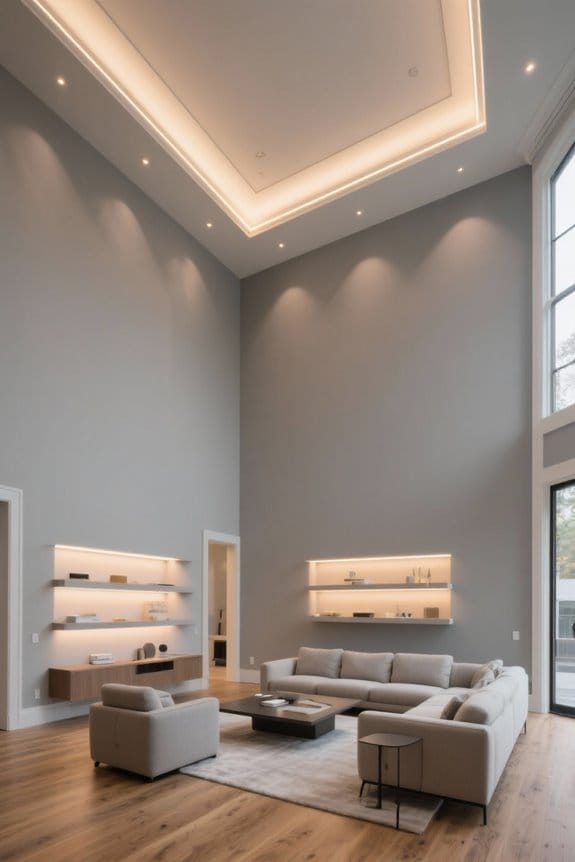
Indirect lighting presents numerous benefits in tall rooms, making it a must-have technique for interior design enthusiasts. By employing methods such as cove lighting or strategically placed LED strips, designers can create soft light that reduces the perceived height of ceilings. This approach minimizes harsh shadows, enhancing ambience while promoting comfort. Dimmable solutions further allow owners to adjust brightness for various activities, thereby maximizing the space’s functionality. Layering indirect lighting, with elements like wall sconces and backlit features, enriches visual interest and balances the expansive luminous ceiling effect. Overall, incorporating indirect lighting effectively distributes light evenly, enhancing aesthetic appeal and creating a welcoming environment that appeals to both relaxation and social gatherings. Additionally, using high CRI bulbs can improve color accuracy and enrich the visual quality of the space.
Recommended Products

Flexible silicone cased tape light for enhanced Damp location listing. Peel and stick3 construction adhesive on back. Indicator marks every 6 inch for field cutting at the end of a run

No drivers needed, link up to 150-feet (perfect for indoors or out). 120º beam angle provides even light distribution - perfect for coves and numerous accent Lighting applications

InvisiLED PRO 1ft 40 Pack Tape Light in 2700K Warm White. Integrating high performance and innovative technology in a professional grade low profile lighting solution, InvisiLED Pro offers dimmable, energy efficient LED tape that installs easily to illuminate fine wood cabinets
Creative Uses of LED Strips for Illumination
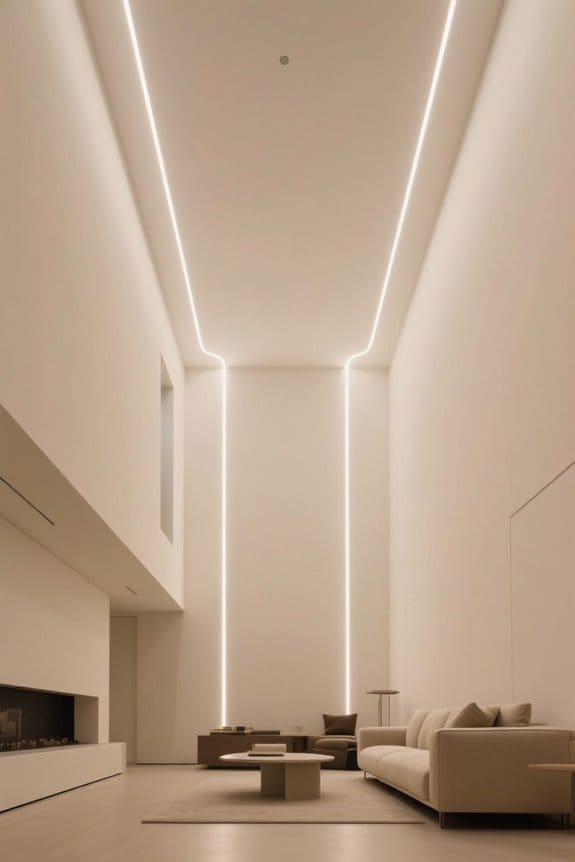
LED strips have emerged as a versatile lighting solution, enhancing both functionality and aesthetics in various interior spaces. By installing LED strips along the edges of tall ceilings, homeowners can create an indirect light effect that visually lowers the room’s height, fostering a more intimate ambiance. Additionally, placing LED strips in coves or recesses allows light to reflect off ceilings, improving diffusion and minimizing harsh shadows. The customizable nature of LED strips, which includes various color temperatures and brightness levels, enables personalized mood adjustments. Furthermore, using RGB LED strips opens up dynamic color changing options, encouraging unique lighting schemes. Finally, incorporating LED strips behind furniture can highlight architectural features while softening overall lighting in expansive rooms. The integration of wireless charging technology in modern lighting solutions has further enhanced their functionality, offering both illumination and convenient device charging options.
Recommended Products

【 Aluminum LED Channel 】: LED channel skirting is made of durable and high quality aluminum material, unlike yellowed and cracked traditional plaster line. The baseboard lighting trim is no rust, no paint peeling with long service life
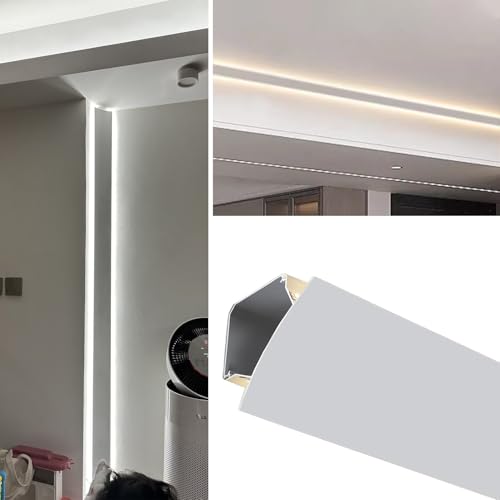
【 LED Ceiling Molding & Trim The LED crown molding aluminum channels are used to install LED strips instead of your blank and boring plaster lines. Get a spotless, warm lighting effect in hallways and living rooms, and a dynamic, colorful atmosphere in your theater room with colored lights that really give your room a contemporary, stylish look

【Baseboard Decor Lighting】:The crown molding channel allows Led strips hide in it, unique hidden structure paired with milky white diffuser scattering soft light easily, creating a cozy atmosphere in home and own high-class ceilings
Enhancing Architectural Features With Indirect Light
Effective lighting plays an essential role in showcasing architectural features, transforming standard elements into striking focal points. Indirect lighting, such as LED strips, can highlight beams, moldings, and textured walls by casting soft illumination that enhances their visual appeal. For example, by placing recessed lights along the perimeter of tall rooms, designers create an enthralling “ceiling glow,” which lowers perceived height. Grazing techniques can accentuate dimensional patterns on surfaces, enriching the room’s character. Warm white lights create an inviting atmosphere, complementing both natural and modern decor styles. In addition, ceiling-mounted cove lighting broadens the perception of width while focusing on key design elements, like artwork or specific architectural details. Incorporating adjustable fixtures allows tailored illumination, enabling the accentuation of different features as light levels and moods shift throughout the day.
Smart Lighting Solutions for Modern Living Rooms
How can homeowners improve the functionality and aesthetics of their living spaces? By integrating smart lighting solutions, such as those offered by advanced smart home systems. These technologies enable seamless management of various light sources, including ceiling lights and LED strips, which can be controlled via apps or voice commands. Homeowners can program lighting to adjust intensity and color temperature according to time of day or activities, enhancing the room’s ambiance. Incorporating indirect lighting techniques, such as cove or wall-mounted fixtures, helps soften shadows, creating an inviting atmosphere in tall living rooms. Additionally, the ability to dim or schedule lighting not only enhances aesthetic appeal but also promotes energy efficiency, making smart lighting a must-have for modern living spaces. For instance, the music synchronization feature in smart LED strips allows lights to change colors and pulse in rhythm with music, creating a dynamic environment perfect for social gatherings or entertainment.
Practical Tips for Installing Indirect Lighting
Creating an inviting atmosphere in a living space often involves careful consideration of lighting techniques, particularly when utilizing indirect lighting. For effective results, position LED strips or cove lights along the upper edges of walls or in ceiling recesses. This directs light downward, creating a visually lowered ceiling effect. Ascertain fixtures are well-placed to illuminate walls or ceilings, softening light output while minimizing harsh glare. Consider using dimmable LED options to adjust brightness for ambient lighting, making the room cozier. Incorporate additional sources, such as wall sconces or uplight fixtures, to create layers that enhance the room’s dimensions. Finally, select warmer color temperatures that enhance feelings of security and coziness, counteracting any coldness in tall spaces. Choosing LED recessed downlights that are IC rated and ETL certified provides added safety and reliability for your lighting setup.
Recommended Products

Gemini LED tape light output is 3W per foot with easy-to-setup seamless and scalable run lengths up to 24 feet.

CUSTOMIZE WITHOUT THE HASSLE: Ideal for custom projects, this flexible white light rope can be tailored to fit any space, giving you full control over length and placement. Easily shorten or adjust the 9ft light every meter to suit your unique needs

Basics tape light output ranges from 100-250 lumens per foot, with easy-to-setup seamless and scalable run lengths up to 40 feet. Available in a 1.2W/ft option delivering up to 150 lumens/ft and a 2.4w/ft option delivering up to 250 lumens/ft.
Achieving a Cozy Atmosphere With Layered Lighting
When aiming to achieve a cozy atmosphere in spaces with tall ceilings, layered lighting proves to be an essential design strategy. Incorporating different layers—like ambient illumination, task, and accent lighting—can create a warm environment. Utilizing cove lighting along the upper edges of walls softens harsh heights and enhances the room’s architecture with indirect lighting. Additionally, combining recessed downlights with wall-mounted sconces creates a balanced light distribution that reduces shadows. Adjustable lighting fixtures offer customization of brightness levels, promoting various moods tailored to any occasion. Soft, indirect lighting techniques, such as LED strip lights placed behind furnishings or artwork, can visually lower the ceiling height, adding depth and ensuring an intimate, inviting space for everyone. Indirect lighting using premium materials like aluminum ensures durability and style, contributing to a long-lasting and aesthetically pleasing installation.
Recommended Products
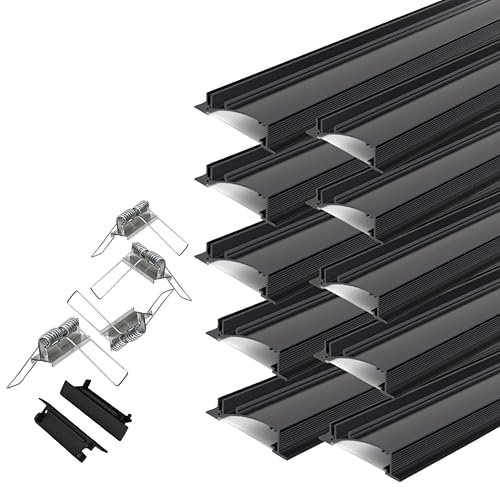
RECESSED LED PROFILE FOR MODERN INTERIORS Designed to integrate into drywall or plasterboard for sleek indirect cove lighting in residential and commercial spaces.

10-Year Fade-Resistant 300 GSM Yarn-Dyed Canopy: Constructed with premium 300 GSM yarn-dyed polyester fabric, this patio umbrella blocks 99.9% harmful UV rays with Bureau Veritas–certified sun protection and maintains vibrant color for up to 10 years outdoors.

REMOTE CONTROL, SUPER BRIGHT, TIMING AND DIMMABLE: This LED rope strip light is with 110V-120V 1500W 23Key remote control dimmer, you can set the time from 5 minutes to 60 minutes, and adjust lighting brightess from 10% to 100%. 60 LEDs/M SMD 5050, 2 times of brightness than 2835
Frequently Asked Questions
What Is Indirect Light in a Ceiling?
Indirect light in a ceiling refers to ambient light sources that utilize light diffusion techniques, casting illumination onto reflective surfaces. This approach enhances ceiling design considerations by creating a softer, inviting atmosphere without harsh shadows.
What Is the Golden Rule of Lighting?
In the grand tapestry of illumination, the golden rule of lighting unfolds as a symphony with a lighting hierarchy. It orchestrates ambient layers, harmonizes color temperature, and crafts careful fixture placement, fostering a welcoming atmosphere.
Does Ceiling Height Affect Lighting?
Ceiling height considerably affects lighting, influencing light diffusion and room ambiance. In ceiling design, taller vertical spaces may require thoughtful lighting strategies to soften shadows and enhance warmth, promoting a more inviting atmosphere.
How to Indirectly Light a Room?
To indirectly light a room, one can implement ambient lighting strategies using hidden light sources like LED strips. Adjustable lighting solutions combined with warm color temperature effects create a cozy atmosphere, enhancing the overall room’s comfort.